Shifting Power: How Joburg's Rental Boom Is Reshaping the Tenant-Landlord Balance
As demand for rentals surges in prime suburbs, landlords are raising the stakes—but tenants are fighting back with new leverage.
As demand for rentals surges in prime suburbs, landlords are raising the stakes—but tenants are fighting back with new leverage.
Listen to this article · 3:47
Johannesburg's rental market has entered a new phase. After years of relative stability, the balance of power between tenant and landlord is tilting visibly—and both sides are feeling the pressure.
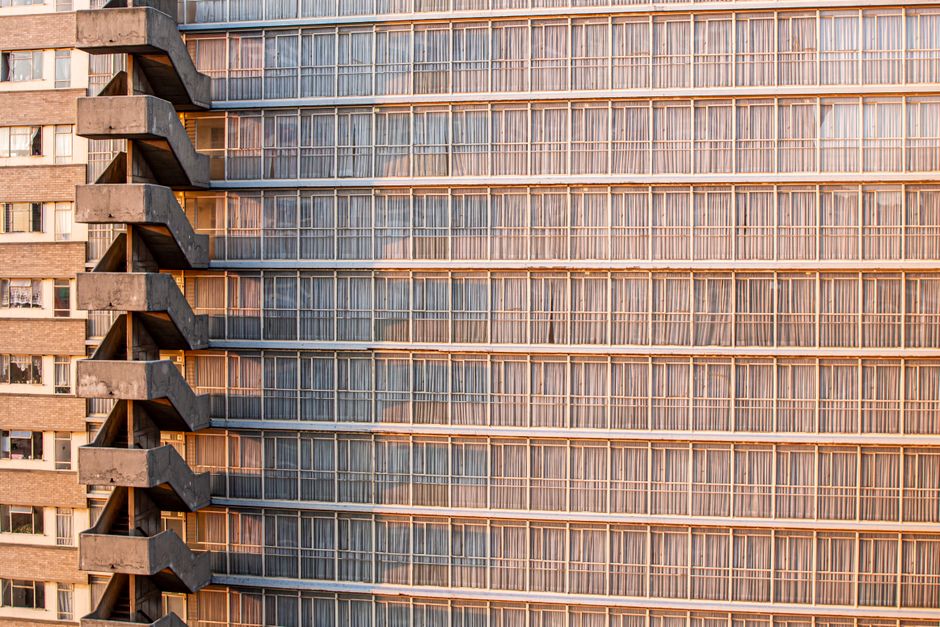
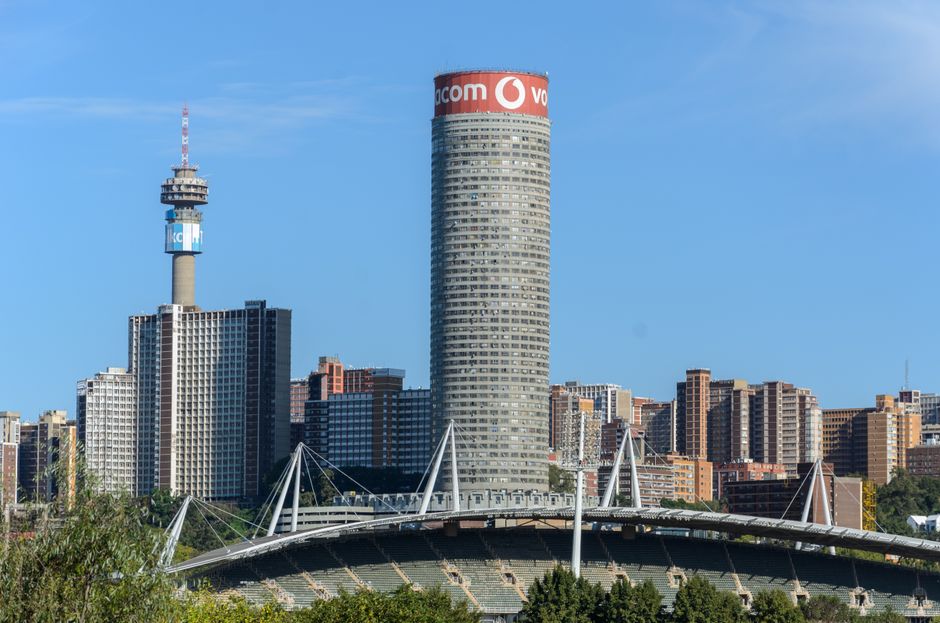
In Sandton, where monthly rentals for a two-bedroom apartment now routinely exceed ZAR 18,000–22,000, landlords are experiencing near-zero vacancy rates. Estate agents report that properties in sought-after addresses like Morningside and The Wold are snapped up within days of listing. Yet this apparent landlord advantage masks a deeper tension: rising property taxes, maintenance costs, and insurance premiums are eating into margins, forcing owners to pass increases onto tenants faster than ever before.
Fourways and Midrand tell a different story. As corporate relocations from Sandton accelerate, competition for rental stock has intensified. Landlords here are offering concessions—free month's rent, flexible lease terms, and upgraded finishes—to attract tenants who now have genuine choice. Average two-bedroom apartments in Midrand are settling around ZAR 12,000–15,000, compared to ZAR 11,500 eighteen months ago, but the pace of increase has slowed considerably.
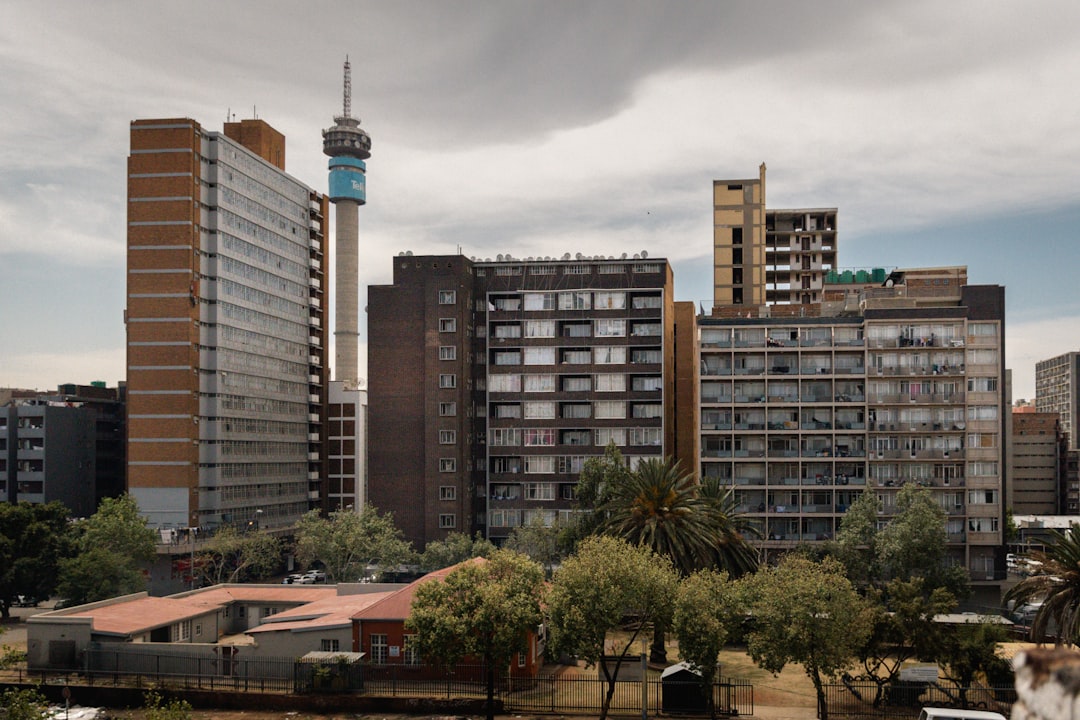
The urban renewal narrative in Melville has attracted a younger demographic, and rental demand on streets like 7th Avenue and around Melville Arch has driven prices up by 8–12% year-on-year. However, tenant turnover is high. Many young professionals are using Melville as a transitional neighbourhood, renting for two years before buying sectional title units elsewhere in the northern suburbs. Landlords must account for renovation costs between tenants more frequently than in traditionally stable suburbs.
Industry bodies like the Johannesburg Property Owners and Managers Association report that deposit disputes and maintenance disagreements remain the top friction points. Tenants increasingly demand digital lease management platforms and transparent repair timelines. Landlords, meanwhile, are tightening application criteria—credit checks, proof of employment, and guarantor requirements are now standard even for mid-range properties.
The sectional title rental market, particularly in complexes across Randburg and Bedfordview, has become a favourite for institutional investors seeking steady, lower-risk returns. These properties average 6–8% annual yields, but management fees and levies have climbed 5% this year alone, squeezing both owner and tenant.
The emerging pattern is clear: Johannesburg's rental market is fragmenting. Premium suburbs favour landlords; growth corridors favour tenants; and transitional urban neighbourhoods remain volatile. Smart investors and long-term renters alike must now choose their suburb not just for location, but for the rental market dynamics that will define their experience there.
This article was compiled by AI and screened before publishing. See our editorial standards.
How does this story make you feel?
Spread the word
About this article
Published by The Daily Johannesburg
Daily brief
Free, in your inbox before 7am. Weekdays.
More in Property