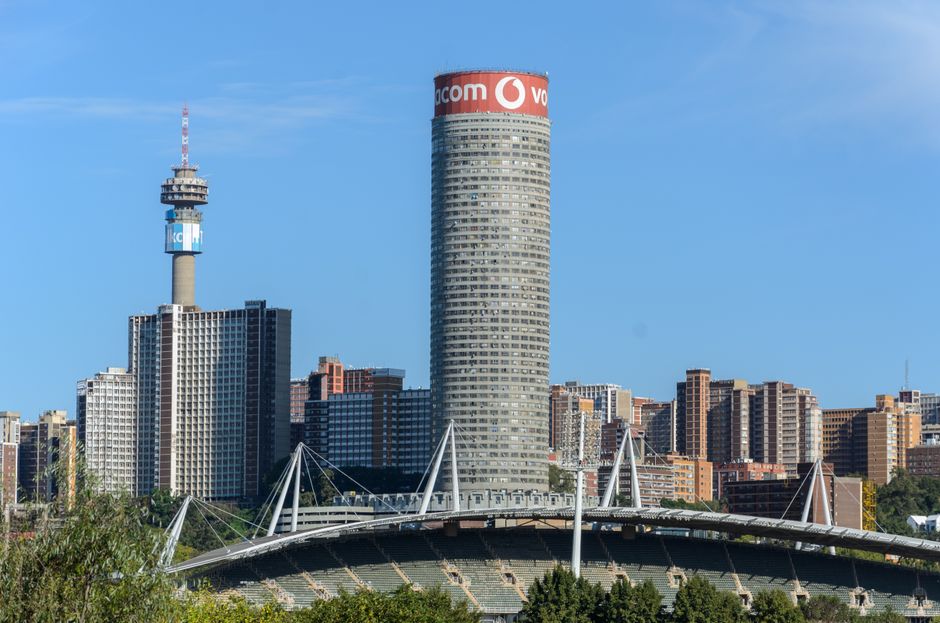
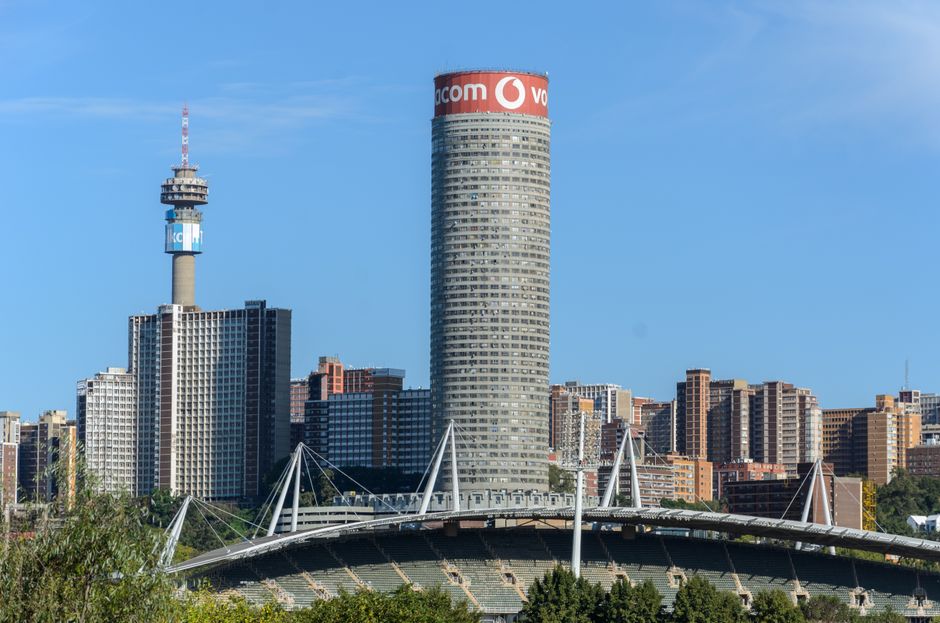
Johannesburg's New Zoning Rules Force Landlords to Rethink Investment Strategy
New municipal zoning decisions in growth corridors like Fourways and Midrand are rewriting rental returns—here's what savvy investors need to know.
New municipal zoning decisions in growth corridors like Fourways and Midrand are rewriting rental returns—here's what savvy investors need to know.
Listen to this article · 3:50
Johannesburg's investment property landscape is experiencing a quiet but significant realignment as the City of Johannesburg's latest zoning amendments begin to reshape yield expectations across key rental markets. The changes, particularly affecting mixed-use and sectional title permissions in high-growth areas, are forcing landlords to rethink strategy in ways that ripple far beyond traditional buy-and-hold assumptions.
The most visible shift centres on Fourways and Midrand, where relaxed commercial-residential zoning has opened new development corridors along key arteries like Witkoppen Road. Properties that previously qualified only for standard residential rental now sit in hybrid zones where office conversions, boutique retail, and short-term letting options have become viable. For landlords holding stock in these areas, the policy change creates both opportunity and urgency: properties that yielded 5.5–6 per cent under traditional residential rental models can now access 7–8 per cent through mixed-use or serviced apartment strategies.
However, the City's updated requirements around parking ratios, green space allocation, and building line setbacks have simultaneously increased holding costs. A sectional title unit in a Sandton complex built before 2022 now competes with newly developed stock designed to these new specifications—a factor that's already visible in rental demand patterns across the northern suburbs.
The Melville urban renewal corridor presents another case study. Proposed intensification zoning for the area around 7th Street has triggered a landlord reassessment. Properties that were marginal under previous density rules now command premium rental rates as buyer-investors seek units in higher-density, mixed-use precincts. Yet the same policy shift has introduced uncertainty: older walk-ups without modern amenities face pressure to renovate or accept yield compression.
Experienced landlords are responding by segmenting their portfolios. Properties in newly zoned mixed-use areas are being repositioned as micro-offices or co-living units. Traditional residential holdings in established suburbs like Bryanston remain stable but face slower growth. The average Johannesburg property yield of 4.8–5.2 per cent masks growing divergence between policy-beneficiary locations and areas where zoning changes haven't landed yet.
The real impact lies in timing. Landlords who understood the City's Spatial Development Framework amendments six months before approval were able to acquire or reposition stock ahead of market repricing. Those still operating under pre-2024 assumptions risk finding their properties out of step with demand.
The lesson: in Johannesburg's evolving market, understanding policy change cycles is as critical as understanding tenant demand. The next municipal amendment cycle will be equally telling.
This article was compiled by AI and screened before publishing. See our editorial standards.
How does this story make you feel?
Spread the word
About this article
Published by The Daily Johannesburg
Daily brief
Free, in your inbox before 7am. Weekdays.
More in Property