Yield squeeze: what's really driving Joburg property ...
As sectional title apartments in Sandton command premium multiples, smart landlords are shifting strategy to capture returns in overlooked growth corridors.
As sectional title apartments in Sandton command premium multiples, smart landlords are shifting strategy to capture returns in overlooked growth corridors.
Johannesburg's investment property market is sending mixed signals. While the city's average price hovers around ZAR 1.5 million, yields have compressed sharply—particularly in established blue-chip suburbs. Savvy buyers need to understand what's pushing prices higher even as rental returns shrink, and where genuine opportunity still exists.
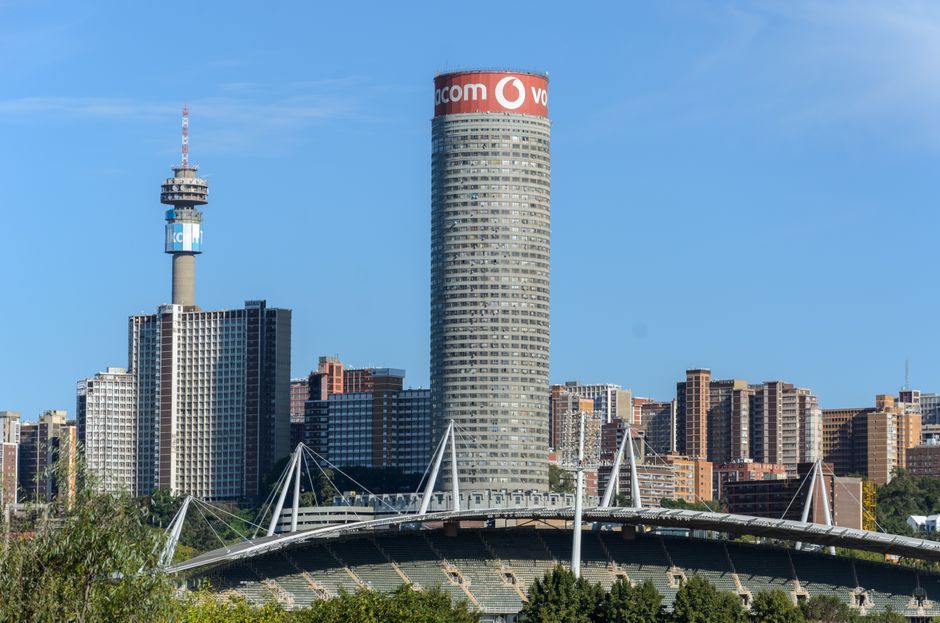
The Sandton premium remains pronounced. Sectional title apartments in this corporate heartland—close to shopping centres, business nodes and the wealth concentration along Rivonia Road—continue to attract investor demand. But here's the catch: yields rarely exceed 4.5 per cent gross. Buyers banking on rental income alone will be disappointed. Instead, capital appreciation and portfolio diversification are the real drivers. Limited new supply has tightened stock, supporting prices even as affordability pressures mount.
The real story is happening elsewhere. Fourways and Midrand—historically positioned as bedroom communities—are attracting serious investor attention. Infrastructure upgrades, improved transport corridors and emerging commercial nodes are reshaping the narrative. Properties that would have yielded 5 per cent in Sandton can still return 6.5 to 7 per cent in these growth corridors, though quality assurance and tenant quality demand closer scrutiny.
Melville's urban renewal momentum is also worth watching. The suburb's blend of heritage charm, proximity to Oxford Road's retail and hospitality precinct, and younger demographic appeal has lifted residential and sectional title values. Investors who moved early have seen solid capital growth, though entry prices have risen accordingly.
So what should buyers know right now? First, separate yield from growth. Sandton works if you're betting on long-term appreciation and can absorb lower rental returns. Second, examine neighbourhood trajectory carefully. Proximity to employment nodes, retail, schools and recreational facilities—think Wanderers Golf Club's influence on surrounding Illovo properties, or the Grayston Drive business cluster's pull—matters enormously. Third, sectional title remains popular with investors because body corporate costs are predictable and security is built-in, but read levies carefully and check financial health.
Interest rate pressure is also shifting calculus. Higher borrowing costs have made yield-hungry investors more selective, pushing capital toward properties with clearer demand drivers. Landlords are increasingly competing on tenant experience—reliable water supply, robust security, community amenities—not just price.
The message for 2026: don't chase Sandton yields. Instead, identify suburbs in transition where growth is driving both rental demand and capital appreciation. Do your homework on local anchors, tenant demand and body corporate health. The best returns rarely sit in headlines—they hide in neighbourhoods where trajectory beats pedigree.
This article was compiled by AI from the sources linked above and screened before publishing. See our editorial standards.
How does this story make you feel?
Spread the word
About this article
Published by The Daily Johannesburg
Daily brief
Free, in your inbox before 7am. Weekdays.
More in Property