Joburg's rental squeeze: how shifting vacancy rates are reshaping power between tenants and landlords
As Johannesburg's rental market tightens, both sides of the lease agreement face new pressures—and fresh opportunities.
As Johannesburg's rental market tightens, both sides of the lease agreement face new pressures—and fresh opportunities.
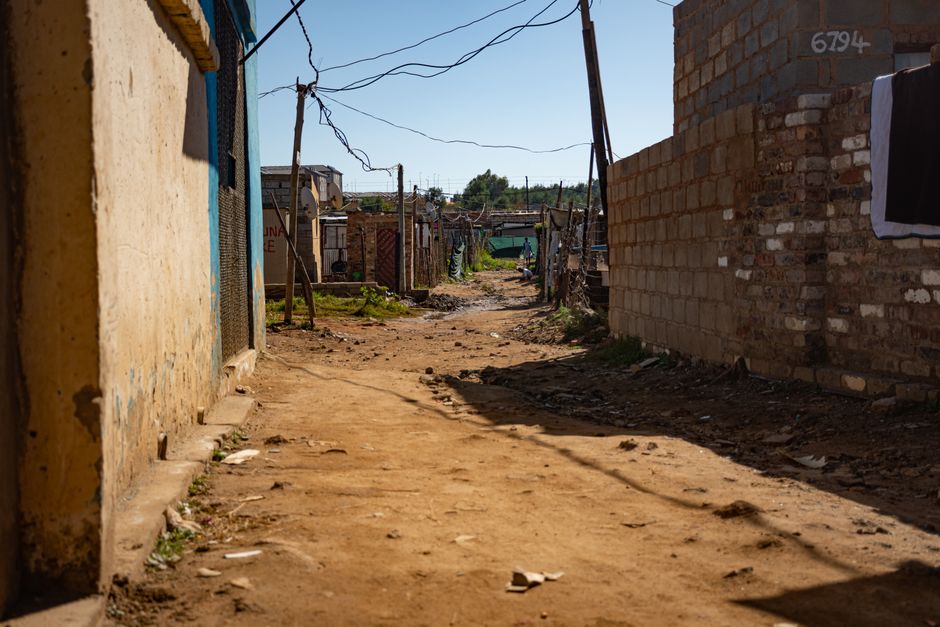
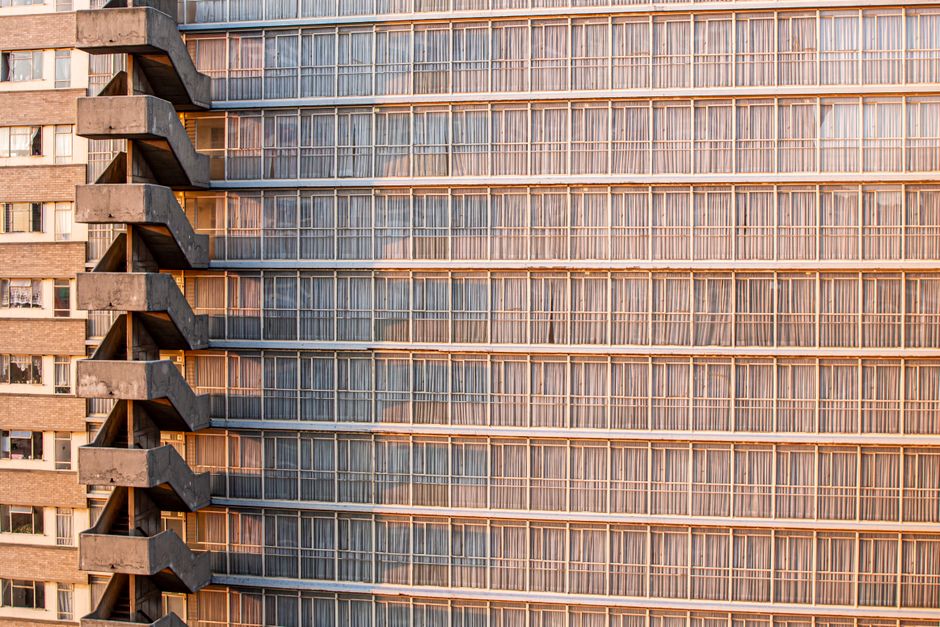
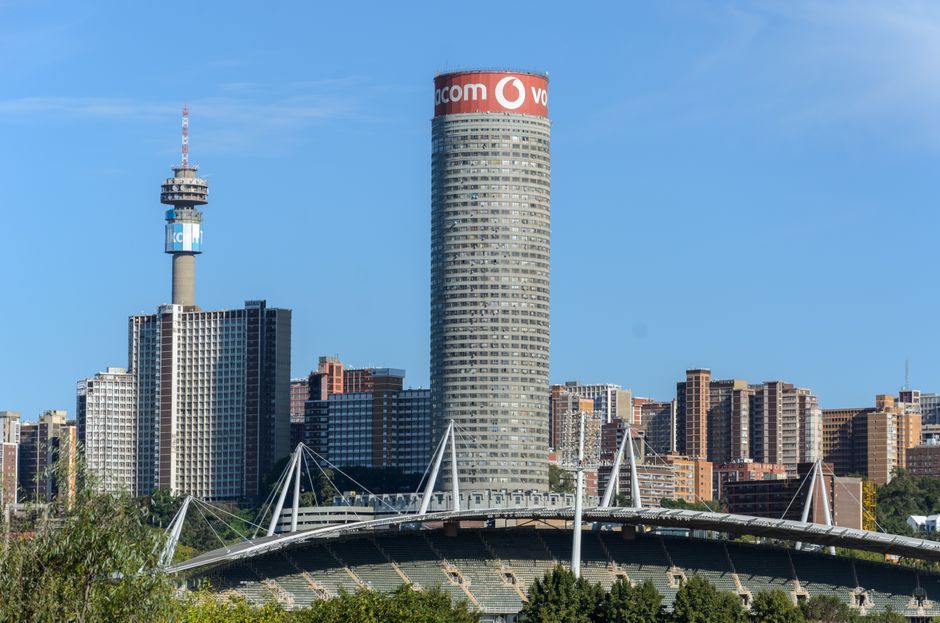
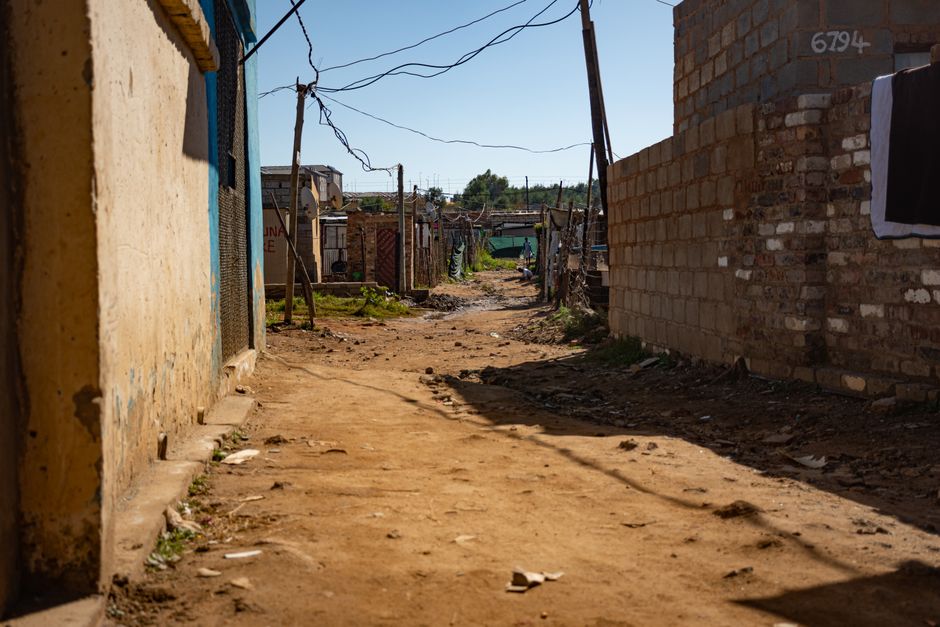
Johannesburg's rental market is undergoing a subtle but significant shift. After years of high vacancy rates that favoured tenants, property owners across the city are reporting tighter conditions, particularly in sought-after precincts like Sandton, Fourways, and the revitalising Melville corridor.
Recent rental surveys suggest vacancy rates in premium Joburg suburbs have dropped to between 6–8%, down from double-digit figures in 2024. This tightening is reshaping negotiations on both sides of the lease agreement. Landlords in Sandton and the Midrand commercial nodes are reporting stronger tenant demand and shorter marketing periods, while renters—particularly young professionals seeking sectional title apartments—are finding fewer options at their preferred price points.
The shift is most pronounced in Melville and surrounding areas, where urban renewal projects along 7th Street and Main Road have attracted younger demographics willing to pay premium rates for lifestyle proximity. Average asking rents in these neighbourhoods have climbed toward ZAR 18,000–22,000 per month for one-bedroom units, up roughly 8–12% year-on-year. Sandton remains the city's rental flagship, with three-bedroom family homes regularly commanding ZAR 55,000–75,000 monthly.
For tenants, the market tightening translates to less bargaining power on rental deposits, maintenance clauses, and lease terms. Property managers report that lease negotiations that once stretched three or four weeks now conclude within days, with landlords able to select from multiple qualified applicants. First-time renters increasingly face pressure to offer longer lease commitments—24 months rather than 12—or higher deposits to secure properties.
Landlords, meanwhile, are benefiting from reduced vacancy risk but face rising maintenance costs and regulatory pressures. Rates and taxes on rental properties in northern suburbs continue climbing, eating into yields that averaged 4–5% historically. Some owners are responding by passing costs to tenants through rental increases, though local rent-control expectations remain informal.
The Property Owners Association of South Africa notes that Johannesburg's rental market remains fundamentally sound, underpinned by steady demand from corporate relocations and young urban professionals. However, both parties are adjusting expectations. Tenants should anticipate firmer negotiations and less flexibility on lease terms. Landlords, conversely, should prepare for tenant expectations around faster maintenance response and digital rent payment systems.
The middle ground—affordability—remains contested, particularly for middle-income renters seeking family-sized homes in secure, well-serviced areas. As Joburg's rental market continues its rebalancing, finding that equilibrium will define the city's rental health through 2027.
This article was compiled by AI from the sources linked above and screened before publishing. See our editorial standards.
How does this story make you feel?
Spread the word
About this article
Published by The Daily Johannesburg
Daily brief
Free, in your inbox before 7am. Weekdays.
More in Property