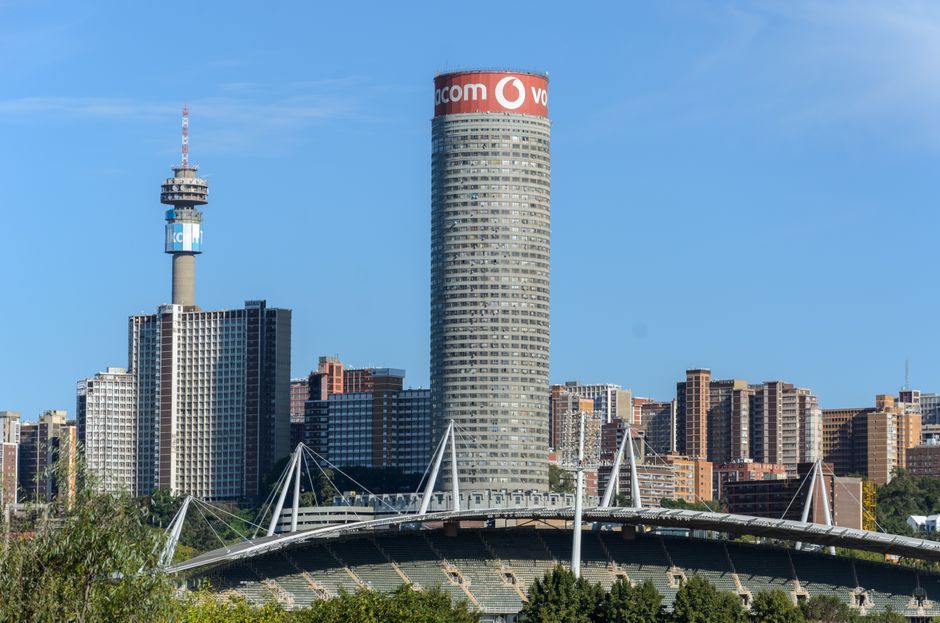
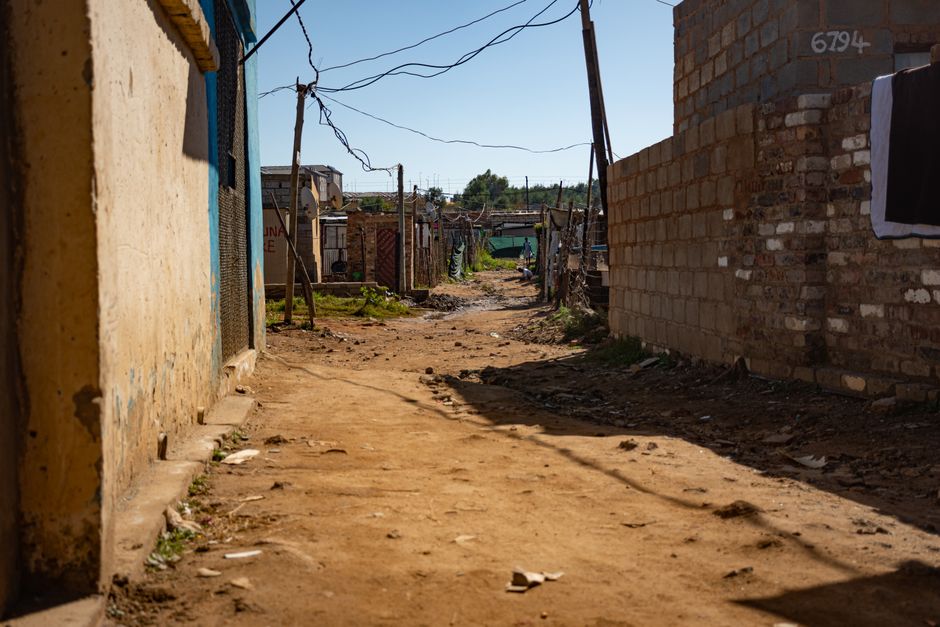
Johannesburg's affordable housing sector is undergoing a seismic shift. With the city's median property price hovering around ZAR 1.5 million, entry-level buyers are being squeezed by a cocktail of policy uncertainty, infrastructure bottlenecks and shrinking developable land—particularly in traditionally accessible areas like Rosettenville, Kensington and parts of Soweto.
The National Housing Code's latest revisions have redrawn affordability thresholds, pushing the "affordable" bracket upward to properties valued between ZAR 250,000 and ZAR 800,000. But supply hasn't kept pace. Sectional title units in emerging nodes like Midrand and Fourways—historically the landing pad for young professionals—are now commanding premiums that sideline buyers earning under ZAR 200,000 monthly.
"Land availability is the elephant in the room," explains the challenge facing Johannesburg's social housing authorities. The city's expansion northward has come at the cost of integrated, medium-density developments closer to employment hubs. Projects in Melville, once championed as urban renewal showcases, have become middle-market territory, with renovated duplexes now selling upward of ZAR 2.8 million.
Several policy drivers are reshaping the market now. First, municipal spatial plans are increasingly mandating inclusionary housing on major developments—forcing developers to embed affordable units within premium projects. Second, interest rate pressure has tightened qualifying criteria, leaving bond-dependent buyers vulnerable. Third, the Department of Human Settlements' push for rental-to-own models is gaining traction, particularly in Alexandra and Diepsloot, though transaction volumes remain modest.
For buyers navigating this terrain, timing and location are critical. Properties in transitional neighbourhoods—Braamfontein, Fordsburg, parts of the CBD fringe—remain relatively accessible entry points, though these areas still carry higher vacancy risks and variable service delivery. Sectional title schemes in established nodes like Sandton's business district carry premium pricing but offer stability and amenity access.
The Johannesburg Development Agency's social housing initiatives, coupled with private sector partnerships, are slowly expanding supply. But observers caution that without accelerated land release and streamlined approval processes, affordability gaps will widen further over the next 18 months.
First-time buyers should act decisively on verified off-plan opportunities from credible developers, lock in rates before further tightening, and prioritise proximity to transport corridors and employment nodes—factors that historically cushion resale dynamics in tighter markets.
This article was compiled by AI from the sources linked above and screened before publishing. See our editorial standards.