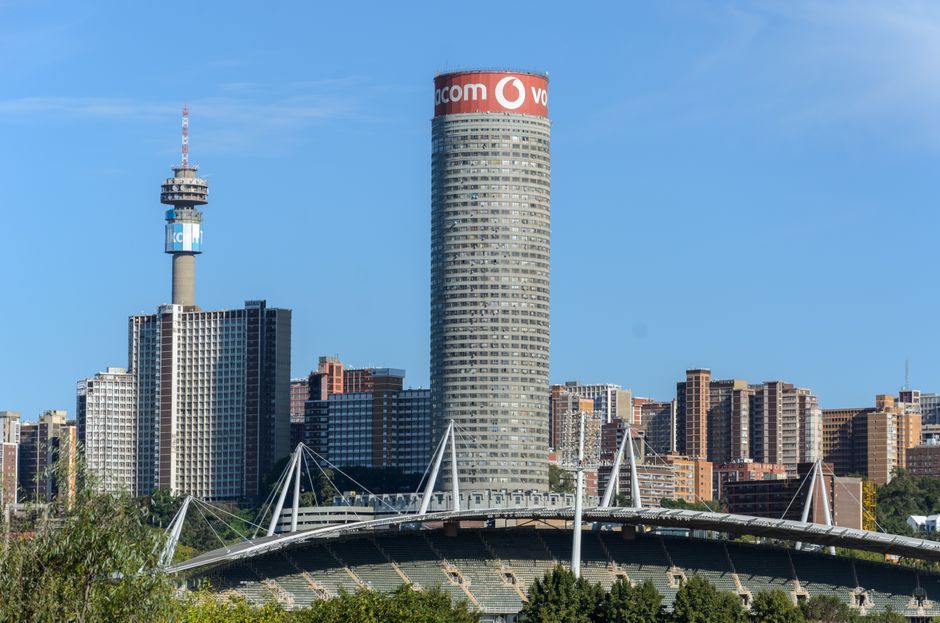
The maths has shifted for Johannesburg property investors. While the city's average residential price hovers around ZAR 1.5 million, the gap between what you pay and what you can rent for has narrowed considerably over the past 18 months. Yet demand from institutional investors and local money seeking inflation hedges continues to push prices upward—particularly in pockets where yield fundamentals remain intact.
The pressure is most visible in traditionally premium areas. Sandton remains the anchoring force, with established addresses commanding prices that reflect scarcity value rather than rental return. But this is where many individual investors are getting priced out. Instead, the real action is shifting northward and eastward.
Fourways and Midrand are absorbing substantial buyer interest, driven by proximity to major employment nodes and emerging rental demand from young professionals. Similarly, the sectional title market—long the backbone of investor portfolios in Johannesburg—continues to attract capital, particularly around Rosebank and Illovo where supply constraints support both capital appreciation and rental uptake.
Melville presents a textbook urban renewal case study. The neighbourhood's revitalisation around the 7th Street precinct and nearby hospitality venues has expanded its appeal beyond student rentals into young professional and corporate housing markets. This diversification of tenant profile is critical; investors who understand tenant demand segmentation are better positioned to weather market shifts.
Here's what savvy buyers are doing differently now. First, they're focusing relentlessly on gross rental yield rather than chasing capital appreciation alone. In a tightening market, a sectional title yielding 5.5–6% net (after rates, levies, and vacancies) offers more security than an empty land parcel bought on the hope of future subdivision or development.
Second, they're investigating micro-location thoroughly. A property two blocks off Grayston Drive in Sandton behaves differently from one on the main spine—and pricing reflects this. Local rental agencies, body corporates, and estate agents' transaction data are invaluable here.
Third, transaction costs matter more when margins compress. Transfer duties, bond registration, and levies on sectional titles eat into returns. Investors are now scrutinising these upfront costs more carefully and negotiating harder on purchase price.
Finally, the regulatory environment—from municipal service delivery to rates disputes—is factoring into buyer decisions more visibly than before. Properties in well-run municipalities attract premiums for a reason.
The market isn't closed to investors; it's simply become less forgiving of poor homework. For those willing to dig deeper into fundamentals, opportunity remains.
This article was compiled by AI from the sources linked above and screened before publishing. See our editorial standards.