Guarantor loans: the shortcut to Joburg property ownership—but read the fine print
First-time buyers in Sandton and beyond are turning to guarantor mortgages to bridge affordability gaps, but experts warn the risks run both ways.
First-time buyers in Sandton and beyond are turning to guarantor mortgages to bridge affordability gaps, but experts warn the risks run both ways.
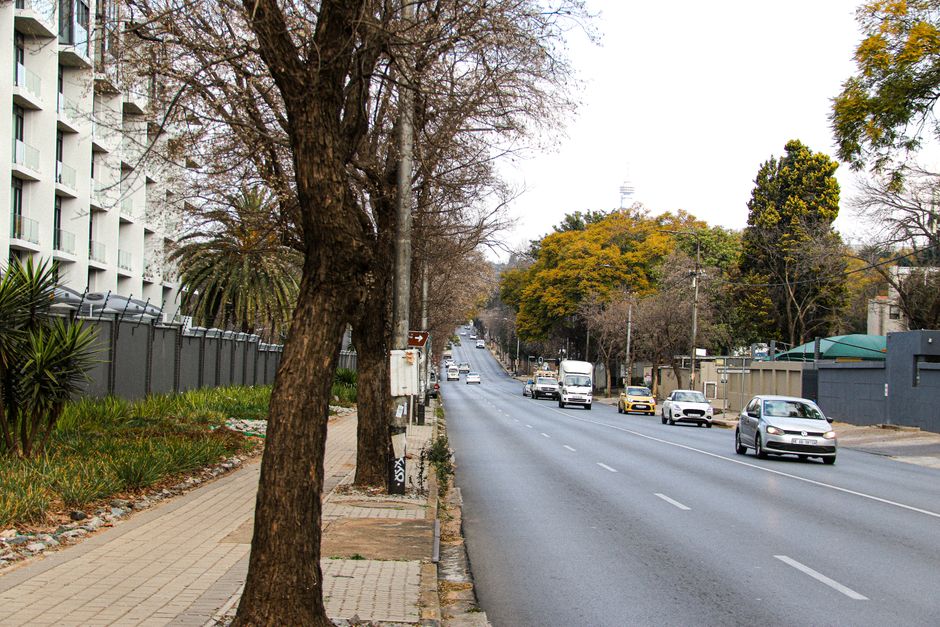
For thousands of first-time buyers across Johannesburg, the gap between deposit reality and property ambition feels insurmountable. With the average Joburg home sitting around ZAR 1.5 million—and Sandton properties commanding double or triple that—many young professionals are exploring guarantor loans as a fast-track to homeownership.
A guarantor mortgage allows a parent, relative, or trusted third party to pledge personal assets or income to support your loan application. In effect, they're co-signing your debt. For buyers struggling to meet standard lending criteria in the current market, it's become an increasingly common workaround.
The appeal is straightforward. Guarantor loans can help you secure approval with a smaller deposit, sometimes as low as 5 percent. For someone eyeing a sectional title in Melville or a starter apartment in the Midrand corridor—where properties range from ZAR 800,000 to ZAR 1.3 million—that means the difference between saving for two years or two months. Major retail banks including Nedbank, FNB, and Absa all offer guarantor mortgage products tailored to first-time buyers.
But there's a catch. Your guarantor becomes legally liable if you default. If you miss payments, creditors can pursue them directly, potentially forcing the sale of their home or assets. It's a relationship stress test many families underestimate. Additionally, guarantor loans often attract higher interest rates—typically 0.5 to 1 percent above standard offerings—because lenders view them as higher-risk instruments.
Qualification depends on your lender, but most require your guarantor to be a close relative with substantial equity in property or stable income. They'll need to pass affordability assessments independently; their credit score and debt-to-income ratio matter as much as yours. Self-employed professionals in Johannesburg—a growing demographic in areas like the Rosebank and Sandton precincts—may find guarantor loans more accessible than traditional mortgages, since banks often struggle to assess irregular income.
Property experts suggest guarantor loans work best for buyers with strong, stable income trajectories who plan to build equity quickly. The National Credit Regulator offers free debt counseling through accredited providers if you're uncertain about affordability. First-time buyers should also explore the government's FLISP (Finance Linked Individual Subsidy Programme) grant, which can contribute up to ZAR 87,000 toward your deposit—potentially reducing your reliance on a guarantor altogether.
The moral: guarantor loans aren't a cheat code. They're a tool best used when you've done the math, secured professional advice, and are confident you can repay.
This article was compiled by AI from the sources linked above and screened before publishing. See our editorial standards.
How does this story make you feel?
Spread the word
About this article
Published by The Daily Johannesburg
Daily brief
Free, in your inbox before 7am. Weekdays.
More in Property