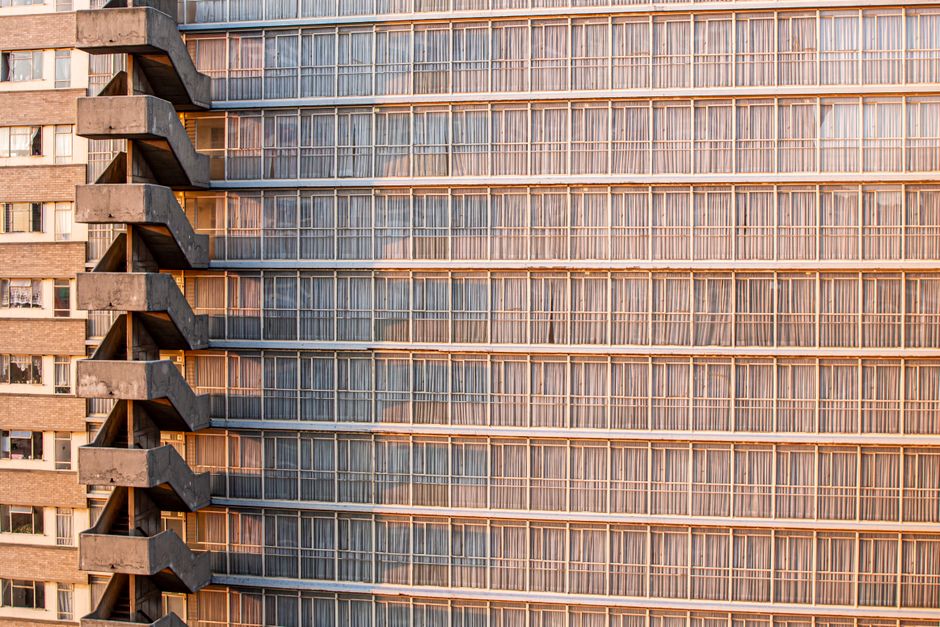
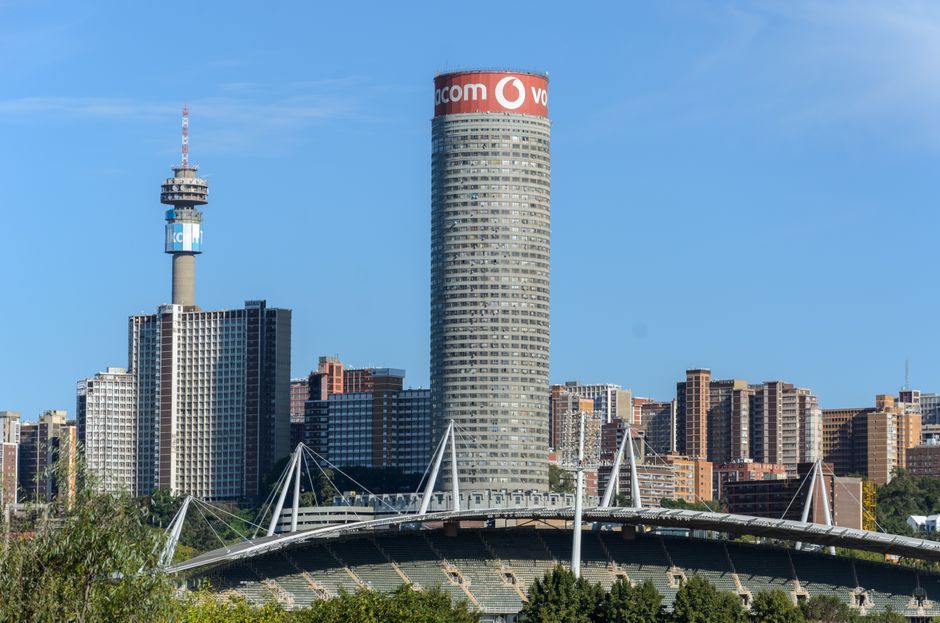
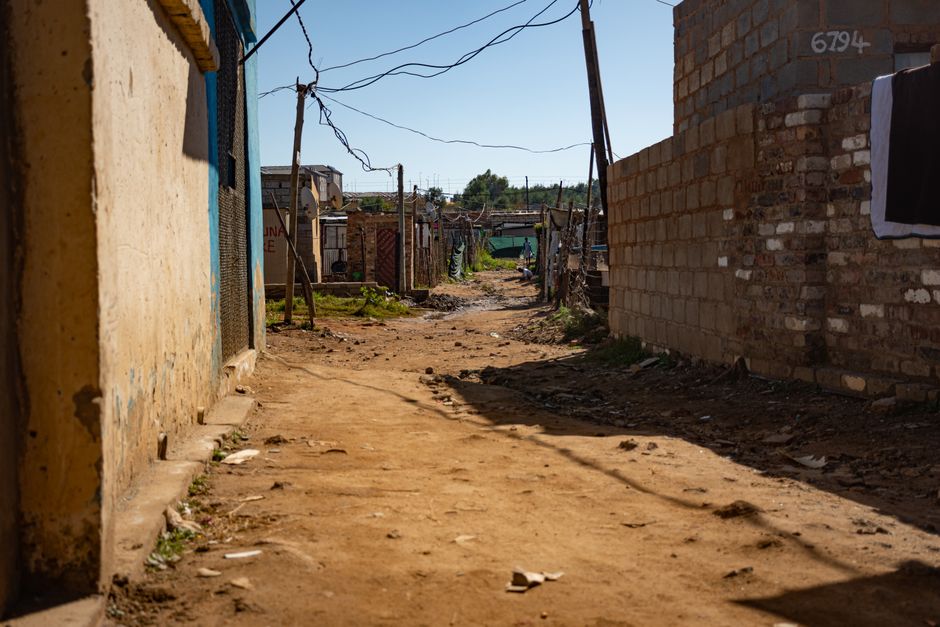
Walk into an auction house in Sandton on any given Thursday and you'll witness a tale of two markets. While trophy properties in the leafy enclaves still command premiums, the data cascading from gavel to gavel tells a more sobering story about affordability across Johannesburg.
Over the past eighteen months, average transaction prices have climbed steadily. The city's median sits around ZAR 1.5 million, but this headline figure masks a widening chasm. Sectional title units—traditionally the entry point for first-time investors and owner-occupiers—are increasingly clustering above ZAR 1.2 million in established areas like Melville and the northern suburbs. In Fourways and Midrand, where new developments pepper the landscape, similar units fetch ZAR 1.8 million to ZAR 2.3 million.
What's signalling most loudly is the velocity of price growth at the top end versus stagnation below. Auction records from the past quarter show properties in Sandton's prime corridors—around Jan Smuts Avenue and the surrounding estates—achieving sales within days of listing. Conversely, stock below ZAR 800,000 lingers. This isn't inventory preference; it's a supply-and-demand mismatch rooted in construction costs and land availability.
The Johannesburg Property Owners and Managers Association has noted that new sectional title developments are increasingly skewing upmarket. Why? Because the economics favour it. A ZAR 2 million unit and a ZAR 800,000 unit consume similar planning resources, municipal approval timelines, and professional fees. Developers' margins tighten on smaller units, pushing them away from that crucial affordability sweet spot.
Auction clearance rates paint another picture. While high-value properties (above ZAR 3 million) achieve clearance rates near 75 percent, properties positioned for middle-income buyers hover around 55 percent. This gap signals vendor expectations misaligned with buyer purchasing power—a classic affordability stress indicator.
The geographic story is equally revealing. Demand is fragmenting outward. Melville, historically an urban renewal hotspot, now competes with value-conscious buyers gravitating to edges like Roodepoort and Krugersdorp, where ZAR 1 million stretches further. Yet these areas lack the amenity density and rental appeal that underpinned Joburg's investor narrative.
For policymakers and agents, the signal is unmistakable: without intervention in construction costs, land release, and density zoning around established nodes like the Johannesburg CBD's surrounds, the affordability ladder is collapsing. Auction rooms don't lie. Right now, they're showing a market increasingly out of reach for ordinary earners.
This article was compiled by AI from the sources linked above and screened before publishing. See our editorial standards.