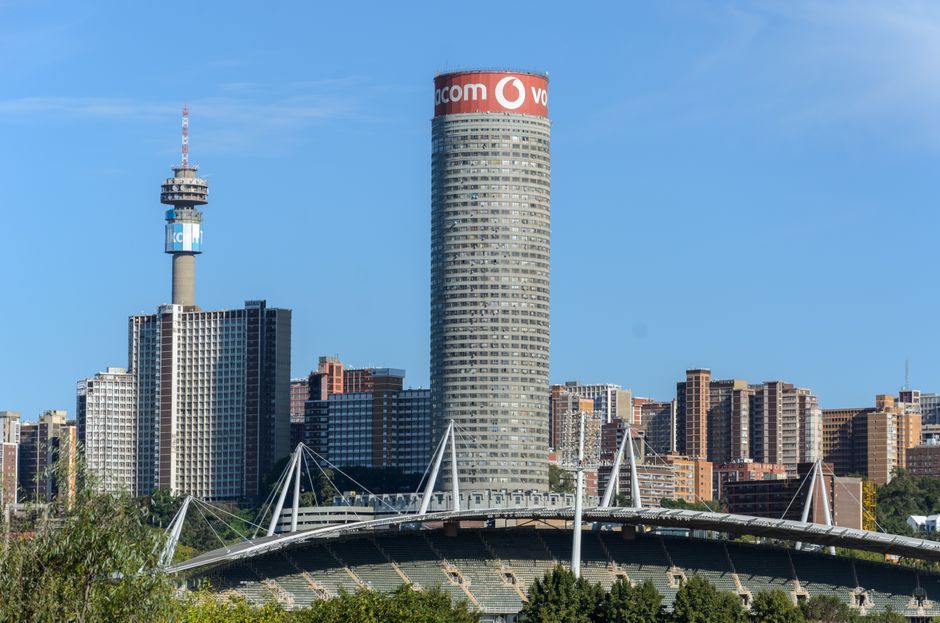
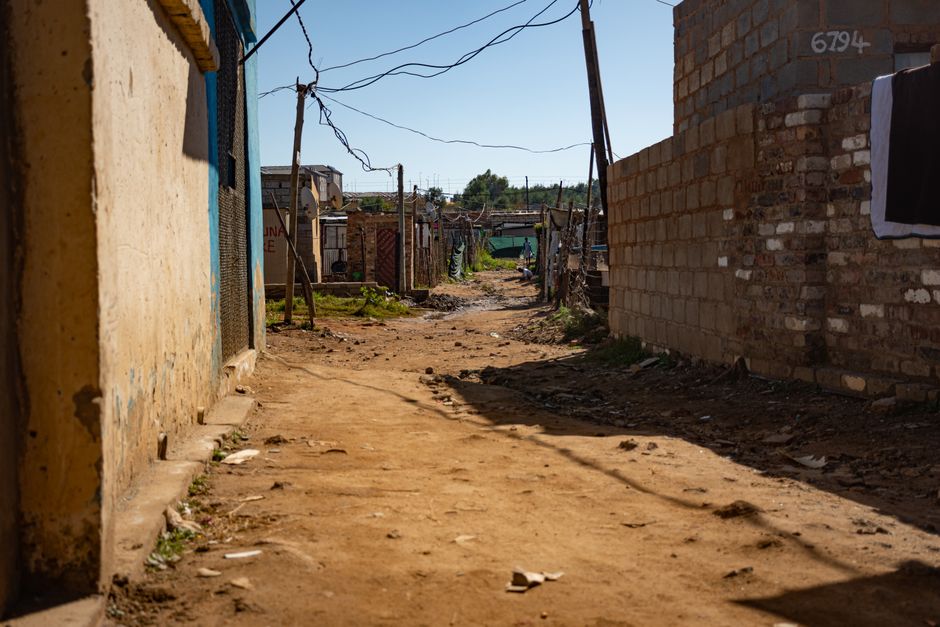
Johannesburg's affordable housing crisis isn't abstract anymore. Walk through Alexandra, Soweto's northern reaches, or the emerging neighbourhoods around Midrand, and you'll see the pressure mounting. While the city's average property price hovers around ZAR 1.5 million, first-time buyers chasing anything under ZAR 800,000 are discovering a shrinking pool of genuine options—and understanding why is critical before making an offer.
The primary culprit: land availability. The City of Johannesburg's limited supply of developable land in accessible areas has driven up acquisition costs for developers. When a hectare in formerly underutilised zones near the Gauteng N1 corridor now commands premium rates, those costs filter directly to unit prices. Combined with recent interest rate volatility, construction inflation running ahead of general CPI, and compliance with municipal building standards, developers face tightening margins on affordable units. Many are simply repricing their stock upward rather than absorbing losses.
Policy uncertainty compounds the problem. While the national government's Social Housing Regulatory Framework theoretically expands grant-funded units, implementation remains patchy. Joburg's Housing Department has increased focus on in-situ upgrading in informal settlements—a long-term win—but it hasn't yet translated into immediate new supply in formal, mortgageable stock within the ZAR 500,000–ZAR 1 million sweet spot where most first-time buyers are hunting.
Sectional title developments in neighbourhoods like Melville and selected Fourways precincts are seeing renewed investor interest, pushing prices up even in smaller units. Meanwhile, rental costs in accessible areas like Braamfontein and Maboneng have risen sharply, eroding the deposit-saving capacity of younger buyers—a feedback loop that's hard to escape.
For buyers entering the market now, several realities matter. First, location flexibility is no longer optional; commute corridors matter more than prestige suburbs when prices are tight. Second, government-backed financing schemes (through the National Housing Finance Facility) exist but require early engagement with banks—don't assume you'll qualify without exploring it. Third, sectional title remains the accessible entry point for many, but understand your levy obligations and the stability of body corporates in newer developments.
The Joburg Housing Company and community-based organisations continue piloting alternative models—including cooperative ownership structures—but these remain niche. For now, patient buyers willing to look beyond the traditional corridors and engage early with municipal housing initiatives may find better terms than those chasing scarcity in premium zones.
This article was compiled by AI from the sources linked above and screened before publishing. See our editorial standards.