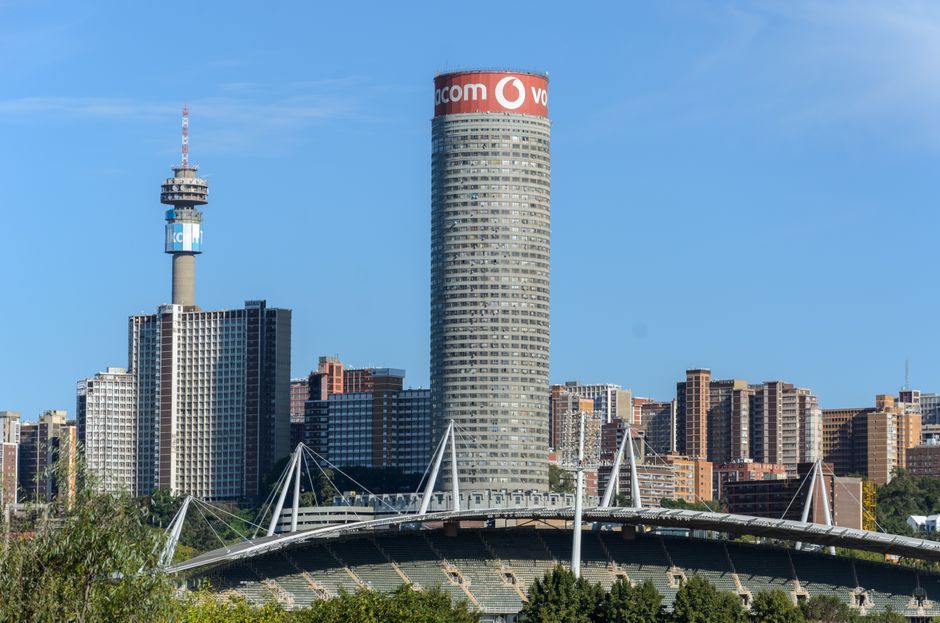
Johannesburg's property landscape is undergoing a subtle but significant transformation following the City's revised planning framework, which came into effect in late May. The updated density and design guidelines—the first comprehensive overhaul since 2015—are already reshaping development approvals across premium and growth corridors, with immediate implications for developers, architects and investors eyeing Sandton, Fourways and the Melville urban renewal precinct.
The centrepiece of the new framework is a tiered floor-area ratio (FAR) system that responds to proximity to transport nodes and existing infrastructure. In Sandton's core precincts—particularly along Grayston Drive and Benmore Gardens—the new guidelines permit FARs of 4.5 to 5.0 for mixed-use developments, up from the previous 3.5 ceiling. However, this uplift comes with mandatory setbacks, ground-floor activation requirements and heritage consideration protocols that have extended approval timelines by an estimated six to eight weeks.
"What we're seeing is a push toward denser, more mixed-income development," notes research from the Johannesburg Chamber of Commerce. "But the design requirements are more stringent. A developer can build taller, but they can't build it however they like."
The shift is most visible in Fourways and Midrand, where the council has introduced new Design Review Panels. Residential projects above 500 units now require presentation to these panels before planning committee sign-off. The result: fewer monotone sectional title blocks, more emphasis on street-facing retail and public plaza integration. Several developments currently under construction along the Midrand spine—including two mixed-use schemes valued at over ZAR 800 million—have already undergone redesigns to comply.
For Melville, the framework has accelerated inner-city densification. New guidelines permit conversion of single-family homes to sectional title apartments without subdivision, provided buildings respect a maximum height of seven storeys and maintain at least 20% green space. This provision has triggered a wave of renovation interest; property values in Melville have climbed 18% year-on-year, with average prices now exceeding ZAR 1.8 million for a two-bedroom unit.
However, not all changes have proven popular. Stricter parking ratios—now 0.8 bays per residential unit instead of 1.2—have drawn criticism from property investors who view parking shortages as a dealbreaker for middle-income buyers.
The council's planning department confirms it is monitoring outcomes quarterly. A review cycle is scheduled for December 2026, which could mean further refinements as the market continues its adaptation.
This article was compiled by AI and screened before publishing. See our editorial standards.