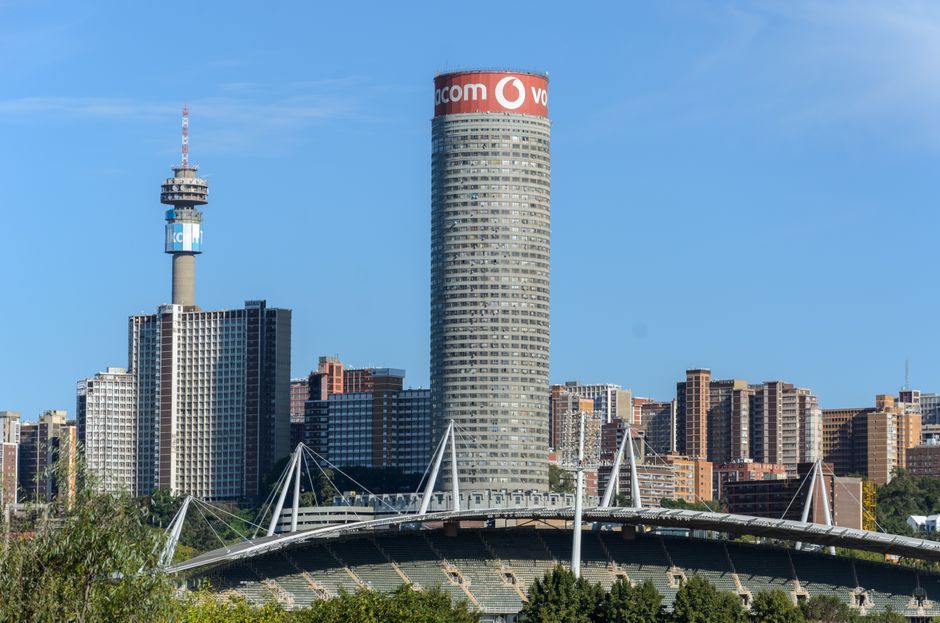
Sandton has long been Johannesburg's undisputed luxury heartland, commanding average prices well above the city's ZAR 1.5 million baseline. But the neighbourhood's property landscape is undergoing a subtle yet significant realignment, driven by a cluster of ambitious new developments that blur the lines between residential prestige and urban convenience.
The momentum is unmistakable. Several flagship projects—combining penthouses, curated retail, wellness facilities, and integrated office space—are reshaping streetscapes from Rivonia Road to Grayston Drive. Unlike the sprawling estate model that defined previous generations of Joburg wealth, these developments signal a shift towards vertically integrated luxury living, where proximity to amenities matters as much as square footage.
"What we're seeing is a maturation of the Sandton market," explains the property sector broadly. Developers are increasingly targeting what industry observers call the 'active wealthy'—high-net-worth individuals who value walkability and curated experiences alongside exclusivity. This demand has pushed development into previously overlooked pockets of the Sandton Corridor, with particular interest in nodes near the Johannesburg Stock Exchange precinct and along the emerging East Sandton revival zones.
The ripple effects are already visible in adjacent markets. Fourways and Midrand, traditionally positioned as growth corridors for the upper-middle market, are experiencing upstream pressure as Sandton's newest developments attract capital that might otherwise have looked further north. Meanwhile, Melville's urban renewal trajectory—anchored by smaller, design-forward residential projects—is carving out an alternative luxury narrative for buyers seeking neighbourhood character over fortress security.
Price points tell the story. While Sandton's premier addresses remain stratified—with trophy properties still commanding ZAR 8 million to ZAR 15 million-plus—new developments are introducing a middle tier of luxury at ZAR 4 million to ZAR 6 million. This democratisation of prestige is attracting both local investors and offshore capital seeking Johannesburg exposure.
For the broader market, these projects matter beyond aesthetics. They signal confidence in Johannesburg's economic fundamentals and suggest that luxury property isn't retreating into gated isolation but rather embracing mixed-use urbanism. Infrastructure investment, security protocols, and retail activation are bundled into these developments—creating self-contained ecosystems that reduce resident dependency on broader municipal services.
As these projects near completion through 2026 and into 2027, expect Sandton's character to shift noticeably. The neighbourhood's appeal will increasingly rest on what surrounds the property as much as the property itself—a significant departure from the estate-driven logic that built Johannesburg's luxury market in the first place.
This article was compiled by AI from the sources linked above and screened before publishing. See our editorial standards.