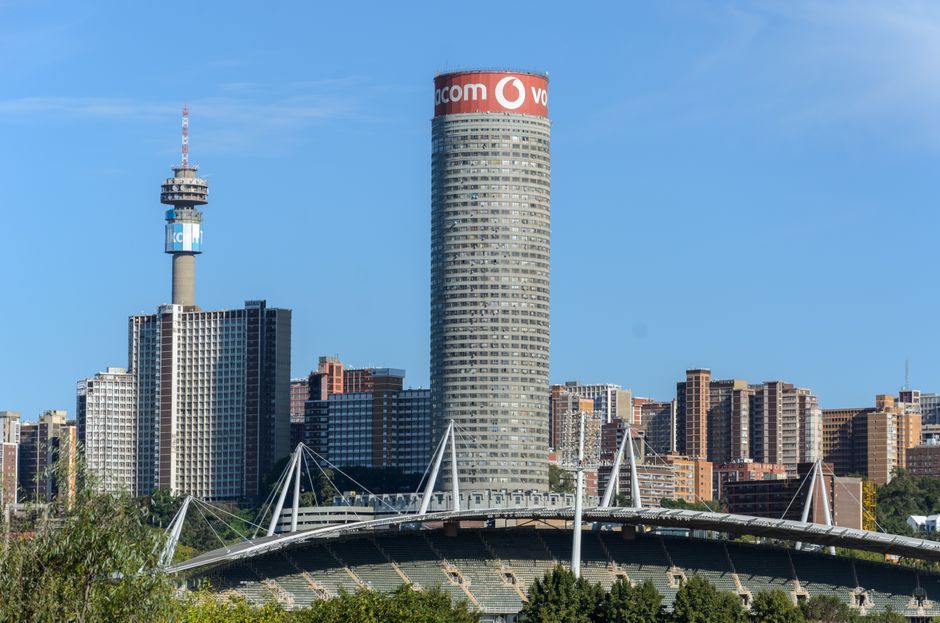
Johannesburg's property investment landscape is shifting. While Sandton remains the prestige address, a growing cohort of yield-hungry investors is quietly repositioning capital toward neighbourhoods where rental demand outpaces price growth—and the mathematics actually work.
Recent market analysis reveals the city's average yield hovering between 5-7%, but geography matters enormously. In Melville, where urban renewal has accelerated over the past three years, sectional title apartments in converted Victorian villas along 7th Street and around the Melville Library precinct are recording gross rental yields of 6.8-7.2%, compared to 3.2-4.1% in comparable Sandton properties. A one-bedroom unit purchased for ZAR 1.1 million in Melville generates roughly ZAR 7,700 monthly rental income; the same investment in Sandton would fetch ZAR 5,200.
Fourways and Midrand present another compelling case. The axis has seen institutional interest spike as corporate relocations from the CBD continue. Properties along the Witkoppen Road corridor—particularly cluster developments near the Midrand business node—are posting 6.5% gross yields, with rental demand consistently outpacing new supply. Investors who purchased two years ago at ZAR 1.2-1.4 million are now seeing comparable units lease for ZAR 8,500-9,200 per month.
The data reveals a critical pattern: sectional title has become the yield workhorse. Low maintenance responsibility, institutional demand from corporate relocations, and Johannesburg's persistent rental shortage have made duplex and apartment investments more predictable than standalone houses. Industry tracking suggests sectional title now represents 34% of Joburg's investment-grade purchases, up from 22% in 2023.
However, numbers tell a cautionary tale too. The city's average ZAR 1.5 million purchase price masks extreme variance. Properties below ZAR 900,000 in established areas show higher yields but liquidity challenges. Those above ZAR 2.5 million typically deliver sub-5% returns, making them appreciation rather than yield plays.
What separates successful yield investors from others? Proximity to amenities—the Melville revival has been anchored by restaurant clusters and cultural venues—and proximity to employment nodes. Fourways works because it straddles corporate parks and residential density. Similarly, Illovo's renaissance owes partly to its proximity to Sandton offices and the Johannesburg Stock Exchange.
The takeaway: Johannesburg's sweetspot for yield currently sits in established middle-ring suburbs with infrastructure momentum, not the trophy addresses. For investors abandoning the chase for capital appreciation in premium zones, the numbers increasingly suggest that Melville, Illovo, and the Fourways-Midrand axis merit serious consideration.
This article was compiled by AI from the sources linked above and screened before publishing. See our editorial standards.