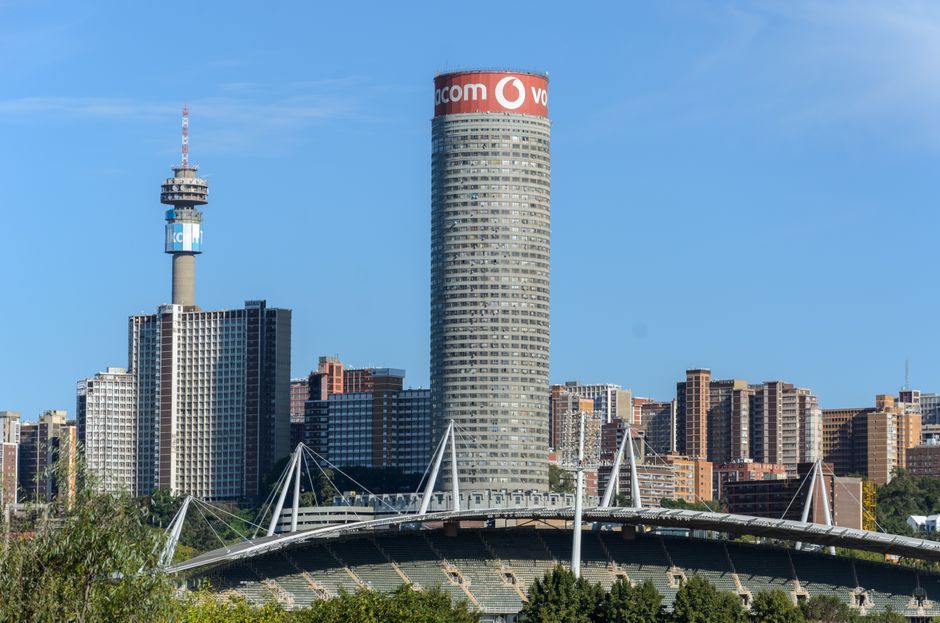
For years, Johannesburg's property investment spotlight has trained itself on the northern suburbs—Sandton's gleaming corporate corridors, Fourways' sprawling estates, Midrand's new-build buzz. But a quieter transformation is reshaping investor appetite, and it's happening south of the Witwatersrand ridge, where Melville's tree-lined streets and regenerating commercial spine are attracting a different breed of landlord.
The numbers tell the story. While sectional title units in Sandton command average asking prices near ZAR 2.8 million with rental yields hovering around 3.5–4%, comparable two-bedroom apartments in Melville—particularly in the Seventh Street and Claim Street precincts—are trading at ZAR 1.1–1.4 million with net yields between 5.5% and 6.8%. For investors tired of negative carry in premium northern addresses, the arithmetic is compelling.
"Melville's appeal lies in its demographic shift," explains the logic behind this trend. The suburb has become a magnet for young professionals, creatives, and young families priced out of Sandton but unwilling to commute from the outer rings. The opening of craft breweries, independent restaurants, and boutique retail along Claim Street has catalysed foot traffic that translates directly into tenant demand. Proximity to the Johannesburg CBD and established transport corridors—including the Rea Vaya bus rapid transit system—has further cemented its value proposition.
Landlords here are reporting occupancy rates exceeding 92%, a stark contrast to the vacancy challenges plaguing some northern office parks. A recent transaction on Seventh Street saw a sectional title unit move at ZAR 1.25 million; monthly rental income of ZAR 7,500–8,000 (in line with current market) translates to an attractive gross yield before expenses.
The investment thesis extends beyond residential. Mixed-use developments along the main commercial corridors are attracting boutique retail operators and co-working spaces, widening the revenue opportunities for property owners willing to look beyond traditional residential lettings.
Of course, inner-city investing carries its own calculus. Property management costs, security expenses, and municipal service reliability demand careful due diligence. But for investors with the appetite to actively manage their portfolios and the vision to see Melville's continuing evolution, the returns are beginning to justify the engagement.
The era when Johannesburg's best yields required a 45-minute commute north may be ending. Melville's renaissance suggests that, sometimes, the best investment opportunities are hiding in plain sight—just a short drive from where the conventional wisdom stopped looking.
This article was compiled by AI from the sources linked above and screened before publishing. See our editorial standards.