news
Johannesburg Gentrification Projects Transform Housing, Transit, and Local Communities
Gentrification and major housing and transit projects are reshaping daily life in several Johannesburg areas, with direct consequences for housing access, transport and local character.
How we reported this
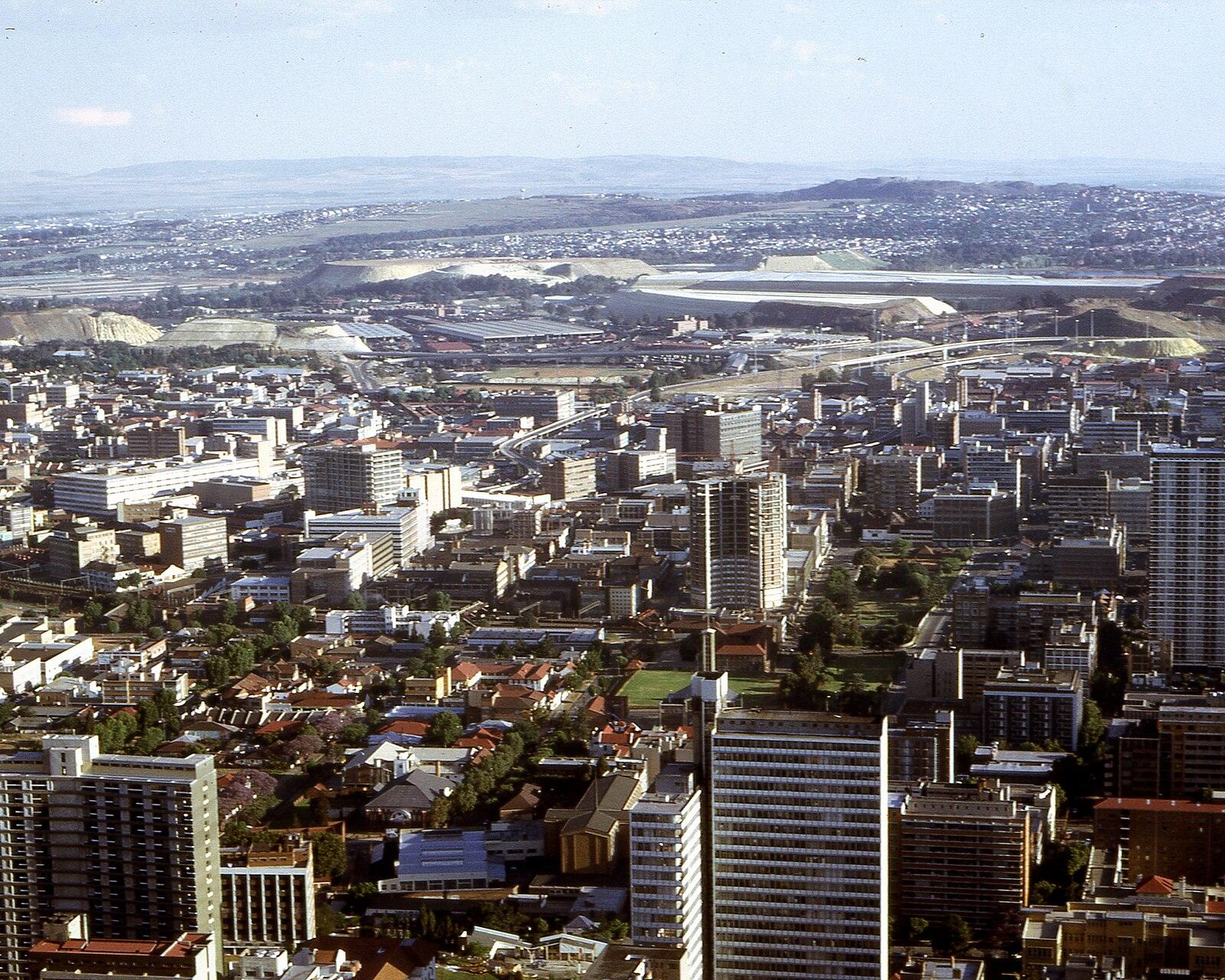
Active gentrification in Maboneng, Braamfontein, Newtown and parts of Orange Grove and Norwood is drawing new investors and producing price appreciation of 5% to 10% in select micro-pockets as of early 2026. These changes affect long-standing residents through rising costs alongside new amenities and improved infrastructure.
Gentrification Pressures on Established Neighbourhoods
Residents in Maboneng, Braamfontein and Newtown see creative economy activity and young professionals moving in, which supports some local businesses while pushing property values higher. Parts of Orange Grove and Norwood are experiencing similar investor interest. The pattern creates both opportunities for property owners and challenges for renters seeking to remain in familiar streets and communities.
Integrated Housing and Transit Projects Alter Daily Access
Riverside View stands as one of Johannesburg's largest integrated housing developments, with over 10,000 mixed-income units that include RDP, FLISP and social rental apartments located next to Steyn City. The Alexandra Renewal Programme has already delivered over 11,000 housing units along with electrical and water upgrades. The Rea Vaya Phase 1C BRT corridor adds 13 new stations linking the CBD to Alexandra and Sandton, while the Rivonia-Katherine Corridor road project strengthens connections in Sandton. These initiatives address spatial legacies from the past and change commuting times and service availability for families in affected zones.
Regeneration Efforts Show Concrete Local Results
Completed projects such as Mary Fitzgerald Square, the Fashion District and Rockey/Raleigh Street in Yeoville demonstrate visible upgrades that residents use daily. Station-adjacent areas along the Rea Vaya Phase 1C corridor, the Rosebank node and mid-market family clusters in Fourways, Douglasdale, Bryanston and Rivonia are positioned for the strongest property price growth ahead. Local communities gain from better transport options and renewed public spaces, yet must also navigate shifting rental markets and evolving neighbourhood character.
City-led regeneration continues to focus on practical improvements that residents experience through daily movement and housing options. Those living near the new stations or in mixed developments can assess how improved links and unit types align with their needs for work, schools and services.