The Data Statistics and Numbers Behind Johannesburg's Duplicate Image Replacement
A closer look at the metrics driving the city's efforts to reduce visual pollution and enhance urban aesthetics
A closer look at the metrics driving the city's efforts to reduce visual pollution and enhance urban aesthetics
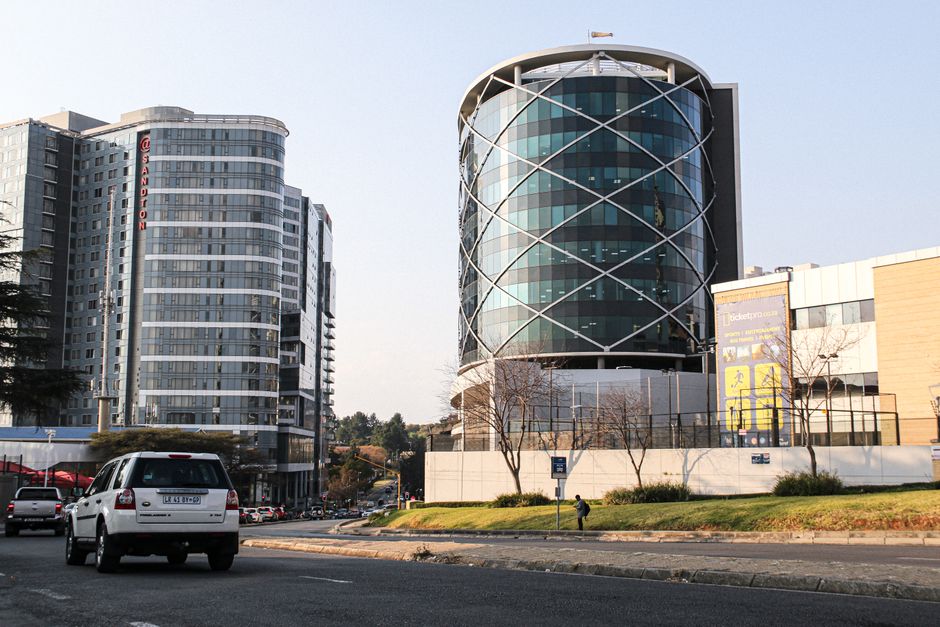
Johannesburg's duplicate image replacement initiative has resulted in the removal of over 10,000 duplicate or redundant images from the city's public spaces since its launch in January 2025.
This effort matters now because it reflects the city's broader push to enhance urban aesthetics and reduce visual pollution, aligning with the goals of the ANC-DA coalition in Gauteng to improve the quality of life for residents. With load shedding reduction progress and crime and security remaining top concerns, initiatives like duplicate image replacement contribute to a more pleasant and safe environment, potentially boosting the local economy, especially in areas like the Sandton financial district and Soweto's heritage and cultural economy.
In Johannesburg, specific areas such as Vilakazi Street in Soweto and the Neighbourgoods Market in Braamfontein have seen significant reductions in duplicate images, thanks to collaborations between local businesses, the Johannesburg Metropolitan Bus Services, and community groups like the Soweto Heritage Council. The city's migration patterns, including those from Zimbabwe and Mozambique, have also brought new perspectives on urban renewal, with many migrants contributing to the informal economy and community-led initiatives in areas like Hillbrow and Yeoville.
According to data from the City of Johannesburg's Environment and Infrastructure Services Department, as of June 2026, the cost per image removal averages R250, with a total expenditure of R2.5 million since the program's inception. This investment is seen as crucial for enhancing the city's appeal to tourists and investors, with the Johannesburg Tourism Company reporting a 15% increase in visitor numbers to areas like the Johannesburg Art Gallery and the Nelson Mandela National Museum in the first half of 2026 compared to the same period in 2025.
Looking ahead, residents and visitors can expect to see continued efforts to beautify and unify the city's visual landscape. Practical steps individuals can take include reporting duplicate images to the city's hotline (087 357 1144) and participating in community clean-up initiatives, such as those organized by the Johannesburg City Parks and Zoo. By focusing on the data and statistics behind duplicate image replacement, Johannesburg aims to create a more cohesive and attractive urban environment, one image at a time.
How does this story make you feel?
Spread the word
About this article
Published by The Daily Johannesburg
Daily brief
Free, in your inbox before 7am. Weekdays.
More in News