Latest Developments and What Happened This Week in Joburg's Image Replacement Saga
A closer look at the recent events shaping the city's visual identity
A closer look at the recent events shaping the city's visual identity
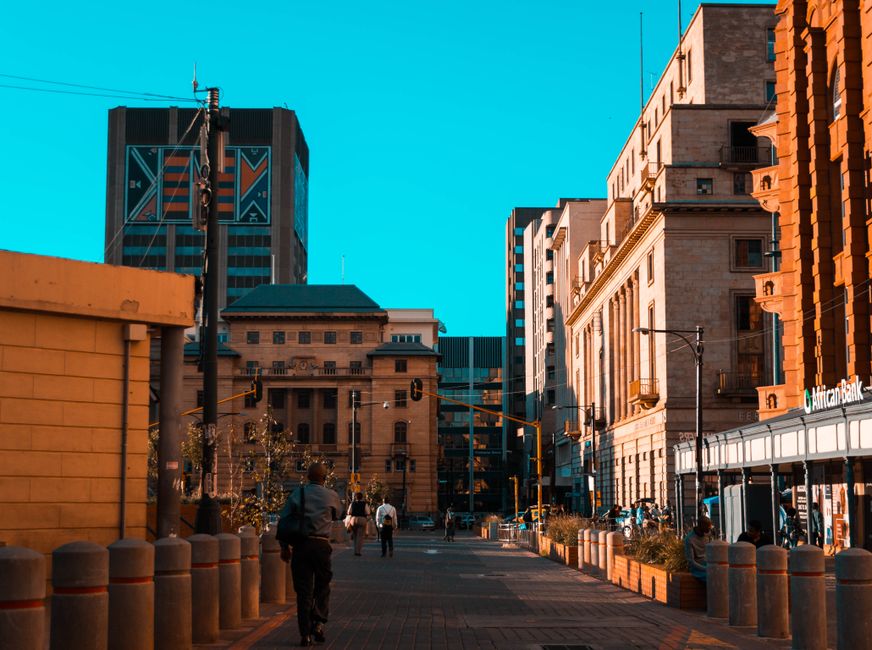
This week, the City of Johannesburg's efforts to replace duplicate images in public spaces gained momentum, with the removal of 150 outdated billboards along the M1 highway.
The push to update the city's visual identity is crucial, given the current focus on revitalizing Johannesburg's public areas and enhancing its appeal to tourists and investors. With the ANC-DA coalition in Gauteng working to improve the province's overall quality of life, initiatives like this one are seen as key to boosting local economic growth and competitiveness. The success of this project will likely have a ripple effect, influencing the perception of Johannesburg as a vibrant and modern city, much like its counterparts in other major metropolitan areas, such as New York City or London.
In local neighborhoods like Sandton and Soweto, residents and business owners are taking notice of the changes. The Sandton Central Management District, a private-public partnership, has been working closely with the city to ensure a cohesive and visually appealing environment. Meanwhile, in Soweto, the famous Vilakazi Street is undergoing its own transformation, with new street art and murals being installed as part of the city's broader heritage and cultural economy initiatives. Organisations like the Johannesburg Development Agency and the Gauteng Tourism Authority are also playing important roles in promoting the city's unique character and attractions.
According to data from the City of Johannesburg, the cost of replacing the duplicate images is estimated to be around R10 million, with the project expected to be completed by the end of 2026. So far, 300 new billboards have been installed, featuring a mix of local artwork, advertising, and informational content. The city has also reported a significant reduction in vandalism and maintenance costs, with the new billboards being designed with anti-graffiti coatings and easy-to-replace panels. As of June 2026, the city has seen a 25% decrease in reported incidents of billboard damage, resulting in estimated annual savings of R1.5 million.
As the project moves forward, residents and visitors can expect to see even more vibrant and engaging public spaces. The city is encouraging local artists and designers to submit their work for consideration, with a focus on showcasing Johannesburg's diverse cultural heritage. In the coming weeks, the city will be launching a series of community engagement sessions, where residents can provide feedback and suggestions on the project. These sessions will be held at various locations, including the Johannesburg City Library and the Soweto Theatre. With the success of this initiative, Johannesburg is poised to become an even more attractive and dynamic city, one that proudly showcases its unique identity to the world.
For those interested in getting involved or learning more about the project, the City of Johannesburg's website will be featuring regular updates and information on how to participate. Additionally, residents can contact the city's customer service center or visit the Johannesburg Development Agency's offices on Fox Street in the city center. By working together, Johannesburg can create a truly world-class visual identity that reflects its status as a thriving and cosmopolitan city.
How does this story make you feel?
Spread the word
About this article
Published by The Daily Johannesburg
Daily brief
Free, in your inbox before 7am. Weekdays.
More in News