news
Fake Photos Cost Johannesburg Renters Thousands in Lost Deposits
Duplicate and manipulated listing images are misleading thousands of Johannesburg home-seekers, costing families deposits on properties that bear no resemblance to what they actually viewed online.
How we reported this
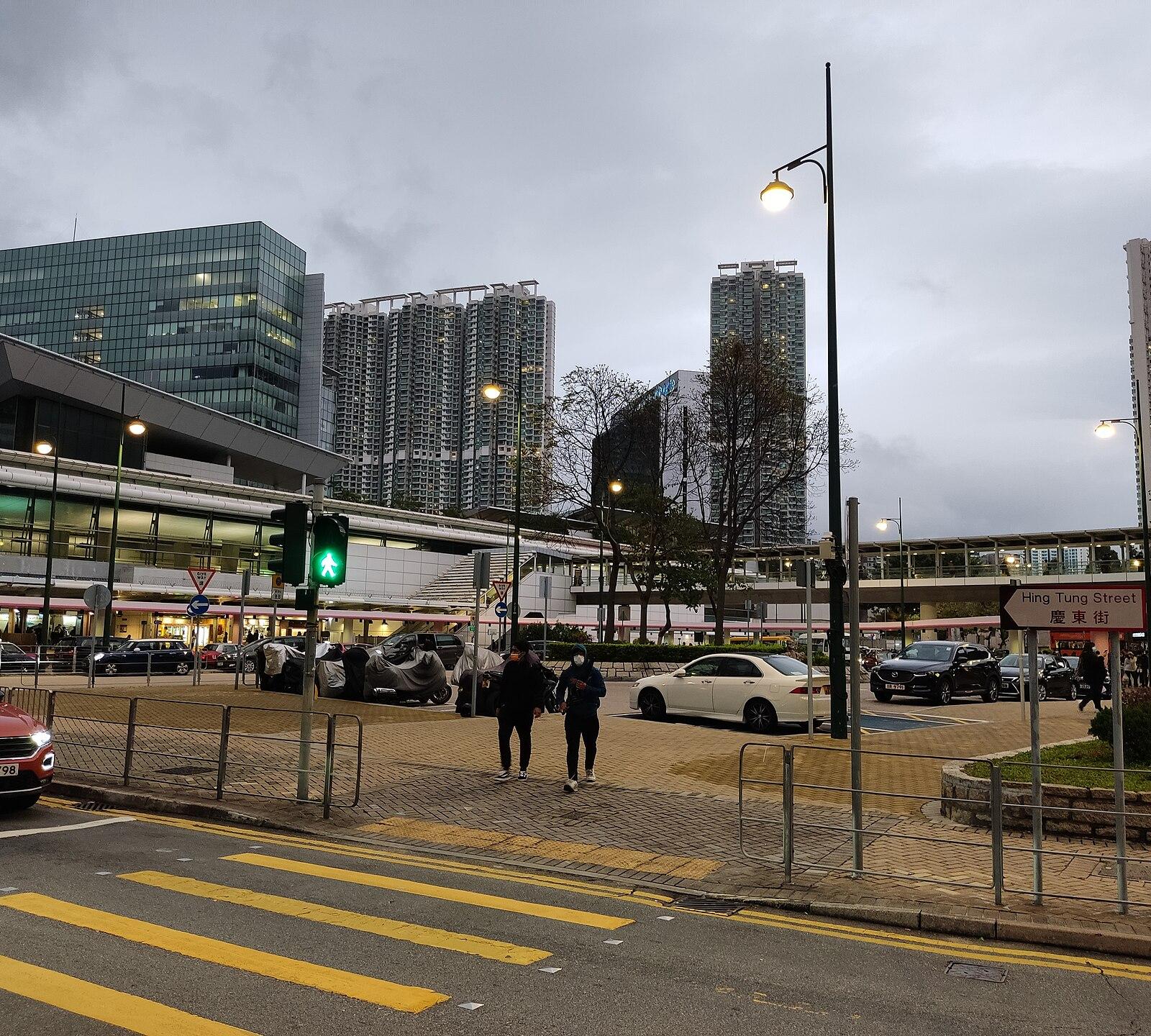
Scammers are recycling the same photographs across dozens of fraudulent rental listings on South African property platforms, and Johannesburg residents, particularly those searching for affordable accommodation in Soweto, Roodepoort and the inner city, are losing money they cannot recover. The practice, known in the property industry as duplicate image fraud, has accelerated sharply since early 2025 as demand for affordable rental stock in Gauteng outstrips supply.
The timing matters. Gauteng's ANC-DA coalition government has made housing access a stated priority for the current term, and the City of Johannesburg's own Housing Development Agency has flagged informal rental fraud as a growing barrier to dignified urban accommodation. When a family pays a R5,000 deposit on a listing in Dobsonville or Brixton, only to arrive and find the address is either non-existent or occupied by someone else entirely, that family does not simply move on. They often sleep in a car, with relatives, or in a backyard room while attempting to reclaim money that is, in most cases, already gone.
How the Scam Works in Johannesburg's Market
The mechanics are straightforward. A fraudulent lister takes legitimate photographs from a genuine listing, sometimes from a completed sale in Sandton or a rental in Parktown, and reposts them against a fabricated address in a cheaper suburb. The monthly rental advertised is typically set just below market rate, around R4,500 to R6,000 for a two-bedroom in areas where honest landlords charge R6,500 to R8,000. That gap is deliberate. It attracts desperate searchers who know what the market looks like and recognise the price as a deal, not an obvious trap.
South Africa's Property Practitioners Regulatory Authority, which oversees estate agents and property advertising under the Property Practitioners Act of 2019, has received a growing volume of complaints related to fraudulent online listings, though the agency's mandate does not directly extend to private landlords advertising without an agent. That jurisdictional gap leaves a significant portion of Johannesburg's rental market, particularly the large informal landlord sector in areas like Orange Farm, Tembisa and parts of Alexandra, with limited recourse for victims.
Private listing platforms do use automated duplicate-image detection technology, but the tools are imperfect. Fraudsters crop photographs, apply filters, or mirror images to defeat basic hash-matching algorithms. One platform serving the South African market updated its image-matching protocols in March 2026, but independent property professionals in the sector note that determined fraudsters adapt within days of any technical change.
What Residents Can Do Right Now
The most reliable defensive tool available to any renter is a reverse image search. Uploading a listing photograph to Google Images or TinEye before paying any deposit takes under two minutes. If the same photograph appears attached to a different address, say, a property on William Nicol Drive in Fourways appearing again in a listing claiming to be in Soweto's Meadowlands, that is a clear signal to walk away.
Consumer protection lawyers in Johannesburg advise renters never to pay a deposit without first visiting the property in person, verifying that the person receiving payment has the legal right to let the premises, and obtaining a written lease that references the specific stand and erf number registered with the Johannesburg deeds office. The Johannesburg Community Advice Centre, which operates from offices in Braamfontein, offers free lease-verification assistance on weekday mornings. The Legal Resources Centre on De Korte Street has also handled cases where deposit fraud victims sought civil recovery from identifiable perpetrators.
Losses are rarely recovered quickly. Civil claims through the Small Claims Court, which handles disputes up to R20,000, are viable where the fraudster's identity is known, but tracing a person who listed under a false name is beyond most victims' resources. Reporting to the South African Police Service's commercial crime unit at the Johannesburg Central precinct on Commissioner Street creates a paper trail, but prosecutions are slow and conviction rates for low-value fraud remain a persistent concern for consumer advocates in the city.
For now, the single most protective step any Joburg renter can take costs nothing: look up the photo before you hand over the money.