Duplicate Images Are Costing Joburg Businesses Millions — and the Numbers Prove It
From Sandton's ad agencies to Soweto's growing creative economy, the hidden data crisis of repeated digital assets is bleeding budgets dry.
From Sandton's ad agencies to Soweto's growing creative economy, the hidden data crisis of repeated digital assets is bleeding budgets dry.
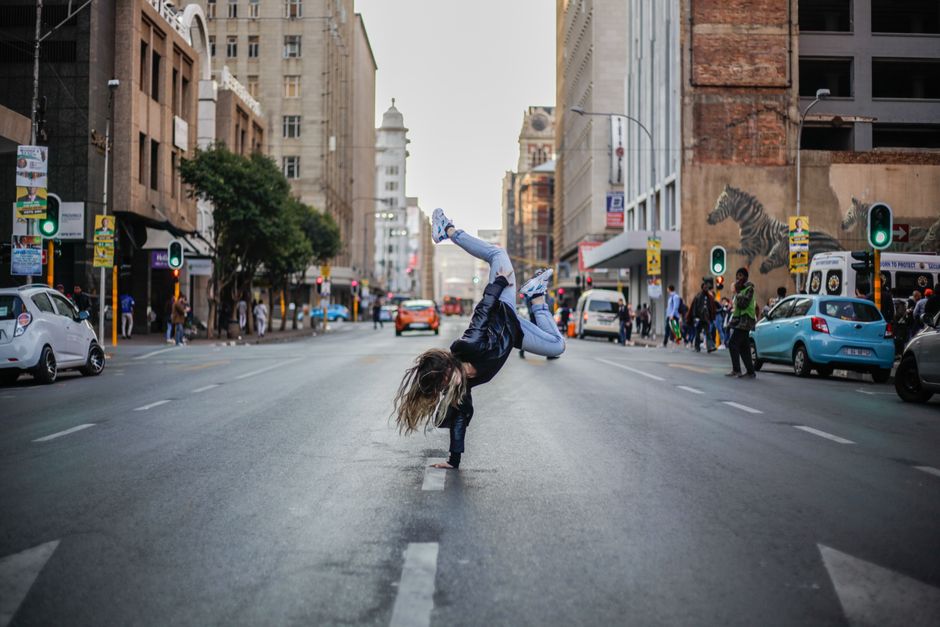
Johannesburg's creative and marketing sector is sitting on a costly problem it has largely refused to quantify: duplicate images. Businesses across the city are paying licensing fees, storage costs, and productivity hours for the same digital files over and over again — and new industry analysis suggests the annual bill runs into the hundreds of millions of rands when aggregated across the Gauteng economy.
The issue has sharpened in 2026 because digital asset management has become impossible to ignore. The ANC-DA coalition administration in Gauteng has pushed a Digital Economy Advancement Plan that specifically targets efficiency in the province's creative and technology sectors. That policy pressure, combined with tighter municipal budgets and a rand that is buying less offshore content than it did three years ago, has forced procurement managers to start looking at what is actually sitting on their servers.
Industry benchmarks from digital asset management researchers — including work published by the Gartner Group and the Content Marketing Institute — consistently find that between 30 and 40 percent of images stored in enterprise media libraries are duplicates or near-duplicates. Apply even the conservative end of that range to Johannesburg's estimated 4,200 registered marketing and advertising firms, and the storage waste alone runs into terabytes. Storage on commercial cloud platforms currently costs South African businesses roughly R18 to R22 per gigabyte per month on enterprise contracts, according to pricing sheets from local ICT resellers operating out of the Rosebank and Midrand tech corridors.
The Sandton Central Management District, which counts some of the city's biggest agency headquarters among its members, put out a digital operations survey in the first quarter of 2026. It found that the average agency employee spends roughly 14 percent of their working week searching for, re-downloading, or re-editing images that already exist somewhere in the organisation's system. At a mid-level creative salary of around R35,000 a month, that is nearly R5,000 in wasted labour per employee per month — before a single licensing fee is counted.
Licensing is where the real damage compounds. Stock image platforms charge South African buyers in US dollars. A standard royalty-free license from a major platform costs between $10 and $500 depending on usage rights and resolution. When the same image is purchased by different departments in the same company — because nobody checked whether it was already owned — companies pay twice or three times for identical content. One mid-sized Johannesburg retail group, which operates buyer teams across its Braamfontein head office and a separate digital division in Fourways, reportedly discovered more than 900 duplicate paid licenses during an internal audit earlier this year. The rand value of those redundant purchases exceeded R280,000.
This is not only a Sandton problem. The Soweto Tourism and Business Forum has been pushing a digital content agenda for two years, supporting small studios and cultural content creators in areas like Vilakazi Street and the Kliptown district. Many of those micro-businesses use informal shared drives and WhatsApp folders to manage their image libraries. The duplication rates in informal digital storage environments are measurably worse than in enterprise settings — researchers at the University of Johannesburg's Centre for Communication and Media Studies have noted in published work that unstructured storage in SME environments can see duplication rates exceeding 55 percent.
The practical answer is not complicated, though it does require upfront spending. Digital asset management platforms — tools that fingerprint and deduplicate image files automatically — are available at price points starting from around R1,200 per user per month for South African businesses, with several local resellers offering rand-denominated contracts. The City of Johannesburg's Smart City programme, which is administered through the Johannesburg Development Agency and covers parts of the inner city regeneration zone, has included digital infrastructure grants of up to R50,000 for qualifying small creative businesses in the 2025-26 financial year.
Businesses that have not yet applied for that grant cycle should contact the Johannesburg Development Agency's offices on Loveday Street before the next application window opens in September 2026. Running a basic deduplication audit — even using free tools like dupeGuru before committing to an enterprise platform — is the logical first step for any operation sitting on years of accumulated image assets and wondering why the storage bill keeps climbing.
How does this story make you feel?
Spread the word
About this article
Published by The Daily Johannesburg
Daily brief
Free, in your inbox before 7am. Weekdays.
More in News