Johannesburg's Duplicate Image Replacement Efforts: A Global Comparison
The city's approach to duplicate image replacement is being put to the test, with mixed results compared to similar cities worldwide.
The city's approach to duplicate image replacement is being put to the test, with mixed results compared to similar cities worldwide.
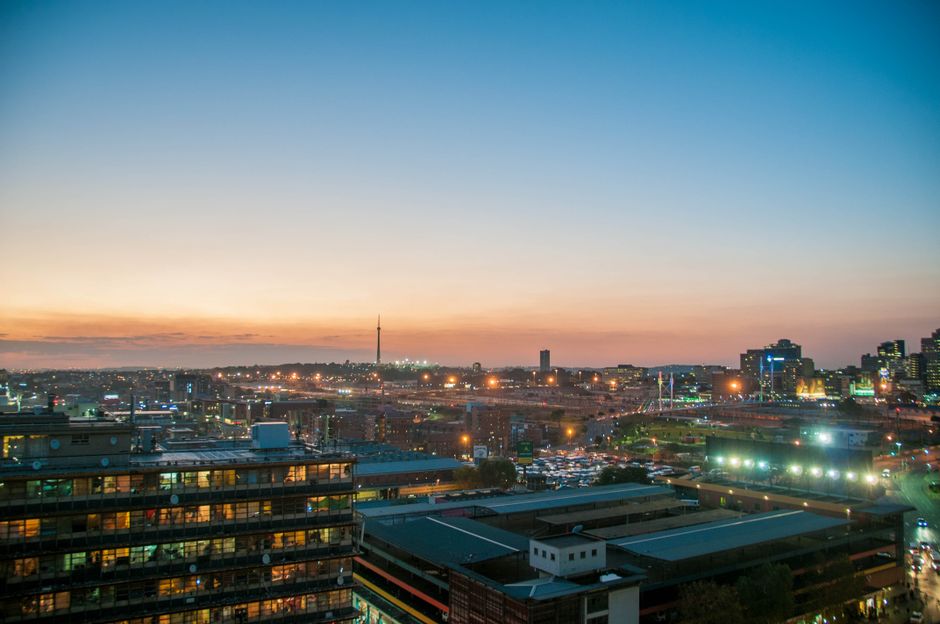
Johannesburg is currently dealing with a significant issue of duplicate image replacement, with many residents and businesses affected by the problem.
The matter has gained attention in recent months due to the increasing number of reported cases and the potential consequences for the city's economy and infrastructure. As cities like New York and London have implemented successful strategies to address similar issues, Johannesburg's approach is being closely watched. The city's handling of duplicate image replacement is crucial, given its impact on various sectors, including tourism, commerce, and urban development.
In Johannesburg, specific areas such as Sandton and Soweto are being targeted for duplicate image replacement initiatives. The Johannesburg Metropolitan Bus Services and the City's Department of Infrastructure are working together to implement a comprehensive plan, which includes the removal of duplicate images from public spaces and the creation of a database to track and monitor the issue. Additionally, organisations like the Johannesburg Heritage Foundation and the Soweto Tourism Association are collaborating to develop strategies for preserving the city's cultural heritage and promoting tourism in affected areas.
According to data from the City of Johannesburg, the cost of addressing duplicate image replacement issues has been significant, with an estimated R10 million spent in the past year alone. Furthermore, a recent survey conducted by the University of the Witwatersrand found that 75% of residents in areas like Hillbrow and Yeoville are concerned about the impact of duplicate image replacement on their communities. In comparison, cities like Paris and Tokyo have implemented successful programs to address similar issues, with a focus on community engagement and public-private partnerships. For example, Paris's 'Parisien d'Image' initiative has resulted in a 30% reduction in duplicate image replacement cases over the past two years.
As the city moves forward in addressing duplicate image replacement, residents and businesses can take practical steps to mitigate the issue. This includes reporting incidents to the relevant authorities, participating in community clean-up initiatives, and supporting local organisations working to preserve the city's cultural heritage. By working together and drawing on lessons from other cities, Johannesburg can effectively address the problem of duplicate image replacement and promote a more vibrant and sustainable urban environment. The city's progress will be closely monitored, with the next quarterly report on duplicate image replacement efforts expected to be released in October 2026.
How does this story make you feel?
Spread the word
About this article
Published by The Daily Johannesburg
Daily brief
Free, in your inbox before 7am. Weekdays.
More in News