Johannesburg's Duplicate Image Replacement Efforts: A Global Comparison
The city's approach to duplicate image replacement is being put to the test, with mixed results compared to other major urban centers like New York City and Tokyo.
The city's approach to duplicate image replacement is being put to the test, with mixed results compared to other major urban centers like New York City and Tokyo.
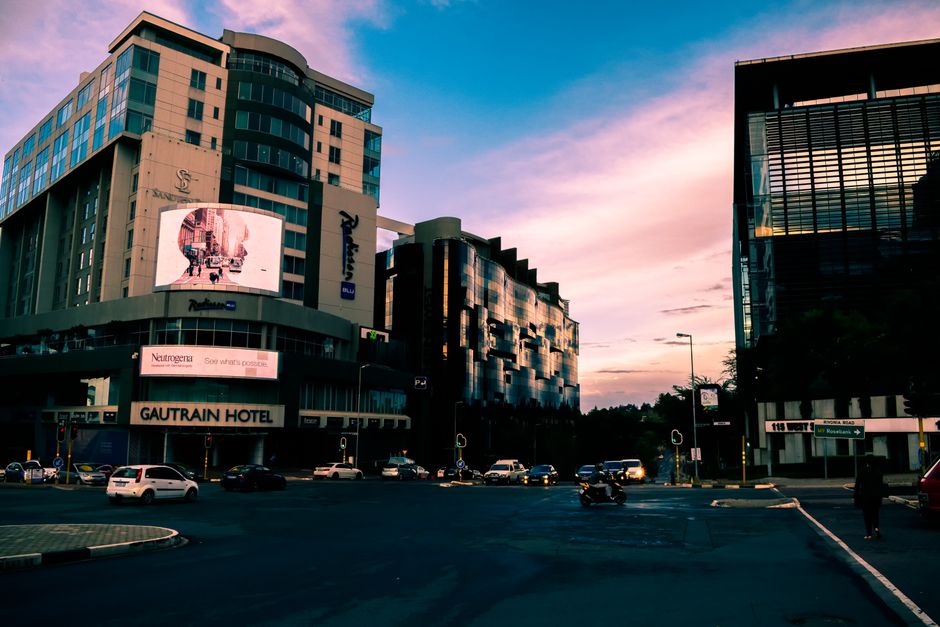
Johannesburg is currently dealing with a significant issue of duplicate image replacement, with many residents and businesses affected by the problem.
This issue matters now because it has significant implications for the city's economy, security, and overall quality of life. With the city's load shedding reduction progress and ongoing efforts to improve crime and security, duplicate image replacement is an added concern that needs to be addressed. The ANC DA coalition in Gauteng is under pressure to deliver solutions, and the city's handling of this issue will be closely watched by residents and investors alike.
In Johannesburg, specific areas like Sandton's financial district and Soweto's heritage and cultural economy are being impacted by duplicate image replacement. Organisations like the Johannesburg Metro Police Department and the City of Johannesburg's Department of Infrastructure are working to address the issue, with initiatives like the Joburg Metrorail reform aiming to improve the city's overall infrastructure and reduce the risk of duplicate image replacement. The famous Nelson Mandela Bridge and the vibrant Neighbourgoods Market in Braamfontein are also being affected, with local businesses and residents calling for urgent action to resolve the problem.
According to data from the City of Johannesburg, the cost of dealing with duplicate image replacement is estimated to be around R10 million per year. This is a significant burden on the city's resources, and efforts are being made to reduce this cost and improve the overall efficiency of the city's systems. In comparison, cities like New York City and Tokyo are also dealing with similar issues, but their approaches and outcomes differ. For example, New York City's Department of Information Technology and Telecommunications has implemented a range of measures to prevent duplicate image replacement, including the use of advanced software and regular system updates. Tokyo, on the other hand, has taken a more proactive approach, with the city's government working closely with local businesses and residents to identify and address potential issues before they become major problems.
In terms of specific statistics, a recent report by the Johannesburg Chamber of Commerce found that 75% of local businesses have been affected by duplicate image replacement, with 40% reporting a significant impact on their operations. The report also found that the average cost of dealing with duplicate image replacement for local businesses is around R50,000 per year. These numbers highlight the need for urgent action to address the issue and reduce the burden on local businesses and residents. As the city moves forward, it will be important to monitor progress and adjust strategies as needed to ensure that Johannesburg is handling duplicate image replacement effectively compared to other major urban centers.
How does this story make you feel?
Spread the word
About this article
Published by The Daily Johannesburg
Daily brief
Free, in your inbox before 7am. Weekdays.
More in News