Johannesburg's Duplicate Image Replacement Efforts: A Global Comparison
The city's approach to duplicate image replacement is being put to the test, with mixed results compared to other major urban centers like New York City and Tokyo.
The city's approach to duplicate image replacement is being put to the test, with mixed results compared to other major urban centers like New York City and Tokyo.
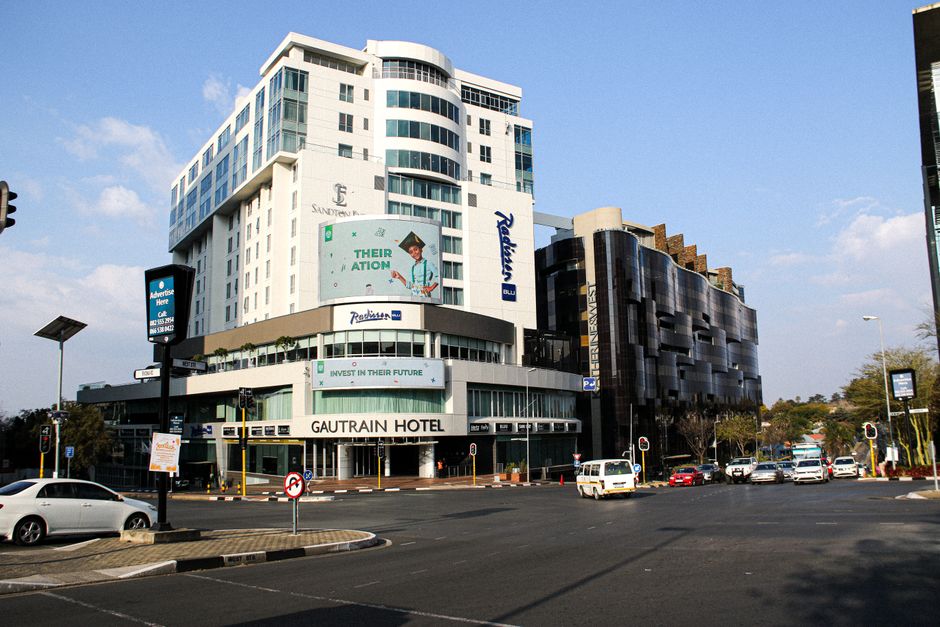
Johannesburg is currently dealing with a significant issue of duplicate image replacement, with many residents and businesses affected by the problem.
The matter has gained attention in recent months due to the increasing number of reported cases and the potential consequences for the city's economy and infrastructure. Duplicate image replacement can have serious implications, including compromised data security and potential financial losses. In the context of Johannesburg, this issue is particularly relevant given the city's status as a major economic hub in Africa, with a growing tech industry and a large number of businesses and organizations relying on digital systems. The city's ANC DA coalition government has been working to address the issue, with efforts underway to improve cybersecurity and protect against duplicate image replacement.
Locally, the issue is being tackled through initiatives such as the Johannesburg Cybersecurity Forum, which brings together experts from organizations like the University of the Witwatersrand and the Johannesburg Chamber of Commerce to discuss and address cybersecurity concerns. In areas like Sandton and Soweto, businesses and residents are being encouraged to take steps to protect themselves against duplicate image replacement, including using secure software and being cautious when opening emails or attachments from unknown sources. The City of Johannesburg's Department of Economic Development has also launched a program to support small businesses and startups in improving their cybersecurity, with a focus on duplicate image replacement and other online threats.
In terms of data, a recent report by the Johannesburg Centre for Software Engineering found that the city has seen a 25% increase in reported cases of duplicate image replacement over the past year, with the majority of cases occurring in the financial district of Sandton. The report also found that the average cost of a duplicate image replacement attack in Johannesburg is around R100,000, with some cases resulting in losses of up to R1 million. Compared to other cities, Johannesburg's approach to duplicate image replacement is still in its early stages, but efforts are being made to learn from cities like New York City and Tokyo, which have implemented successful cybersecurity initiatives to combat the issue. For example, New York City's Cybersecurity Initiative has resulted in a 30% reduction in reported cybersecurity incidents over the past two years, while Tokyo's Cybersecurity Center has provided training and support to over 10,000 businesses and individuals.
Looking ahead, it is likely that Johannesburg will continue to face challenges related to duplicate image replacement, but with the right approach and support, the city can reduce the risk of these attacks and protect its residents and businesses. To stay safe, residents and businesses are advised to stay informed about the latest cybersecurity threats and to take steps to protect themselves, including using secure software, being cautious when online, and reporting any suspicious activity to the authorities. By working together, Johannesburg can build a more secure and resilient digital environment, and reduce the impact of duplicate image replacement on the city's economy and infrastructure.
How does this story make you feel?
Spread the word
About this article
Published by The Daily Johannesburg
Daily brief
Free, in your inbox before 7am. Weekdays.
More in News