news
Johannesburg tackles years of fake property photos clogging housing databases
Duplicate and placeholder photos have plagued the city's housing market databases for years; here's the trail of decisions and neglect that got us here.
How we reported this
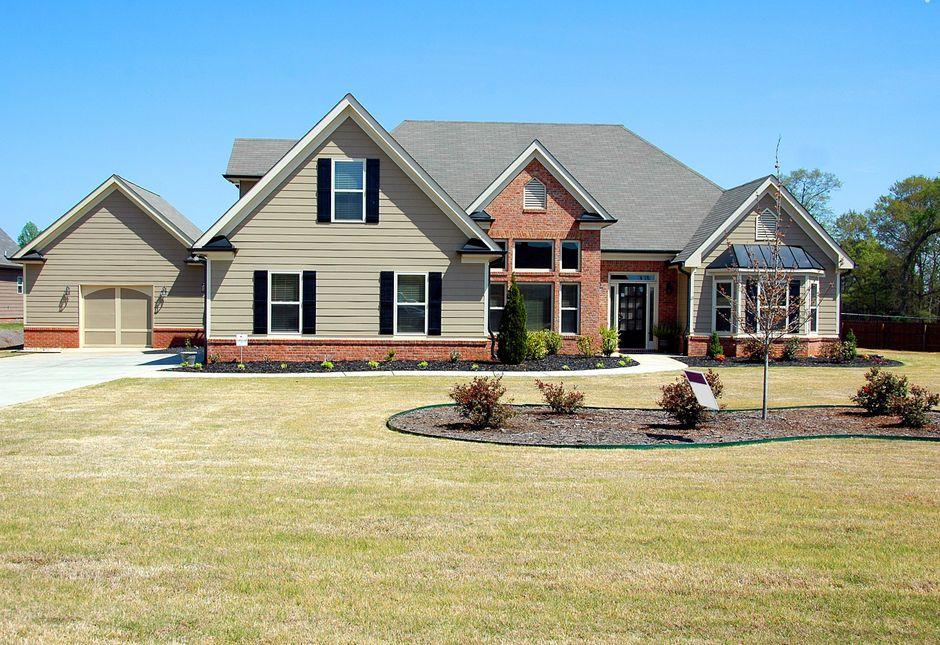
Search for a two-bedroom flat in Braamfontein on any of South Africa's major property portals this week and there's a reasonable chance you'll scroll past the same stock photograph of a generic kitchen three or four times, listed against entirely different addresses. That is the duplicate image problem, and after years of accumulation, the real-estate data infrastructure underpinning Johannesburg's housing market is finally being pressured to confront it.
The timing matters. The ANC-DA coalition running Gauteng has placed municipal service delivery and transparency at the centre of its public pitch since taking office, and housing data quality sits squarely in that frame. With the City of Johannesburg's own property valuation roll under periodic review, inaccurate or misleading listing images don't merely frustrate buyers, they corrupt the evidentiary base that valuers, attorneys, and rental tribunals draw on when making binding decisions.
A Problem Built Over Fifteen Years of Fast Growth
The roots of the duplicate image crisis trace back to roughly 2010, when listing volumes on South African property portals surged alongside smartphone adoption and the post-2008 recovery in residential sales. Agents uploading dozens of listings simultaneously began recycling image sets across multiple properties to meet turnaround deadlines. Portals, competing aggressively for listing volume and agent subscriptions, set no meaningful technical barriers against re-uploaded images. The result was a compounding archive of mismatched visuals that grew with every new listing cycle.
By 2018, inner-city Johannesburg developments such as those along Bree Street in the CBD and in the Maboneng Precinct were particularly affected. New apartment blocks completed in quick succession meant dozens of units sharing identical floor plans and, inevitably, identical photographs. Agents representing buildings on Fox Street or Commissioner Street often pulled a single set of show-unit images and applied them across an entire floor of listings. Property managers working in Sandton's residential towers off Rivonia Road did the same.
The Property Practitioners Regulatory Authority, established under the Property Practitioners Act of 2019, has authority over agent conduct but has focused its early enforcement years primarily on Fidelity Fund Certificate compliance rather than digital listing standards. That regulatory gap left image quality largely self-policed, which, in practice, meant it went unpoliced.
What the Data Shows and Who Is Moving to Act
A 2024 audit conducted by the South African Property Owners Association found that a material proportion of residential listings on major aggregator sites contained images already appearing on at least one other active listing. The audit, which covered listings across Gauteng, KwaZulu-Natal, and the Western Cape, did not disaggregate its Johannesburg figures publicly, but association representatives noted at the time that high-turnover inner-city rental markets showed the highest rates of duplication. Joburg's rental corridors, Hillbrow, Yeoville, parts of Randburg, were cited as problem areas.
The practical consequences range from the cosmetic to the legally significant. A tenant in a dispute before the Johannesburg Rental Housing Tribunal may produce listing photographs as evidence of the property's condition at inception of the lease. If those photographs were actually taken in a different unit, or in a different building entirely, the evidentiary chain collapses. Conveyancing attorneys in Rosebank and Illovo have flagged comparable problems in sale agreements where listing images formed part of the marketed specification.
Technology is now doing what regulation did not. The major South African portals began rolling out perceptual hash matching tools in late 2024, software that can identify visually identical or near-identical images across different listing IDs and flag them for manual review or automated suppression. The process is not instantaneous, databases accumulated over fifteen years require time to scrub, but the direction is clear.
For buyers and renters working the Johannesburg market right now, the practical advice is straightforward. Insist on a video walkthrough or an in-person viewing before signing anything. Cross-reference listing photographs against the property's Google Street View address. If an agent cannot provide images taken specifically in the unit being offered, treat that as a material deficiency in the listing, because, under South African consumer protection principles, it arguably is.