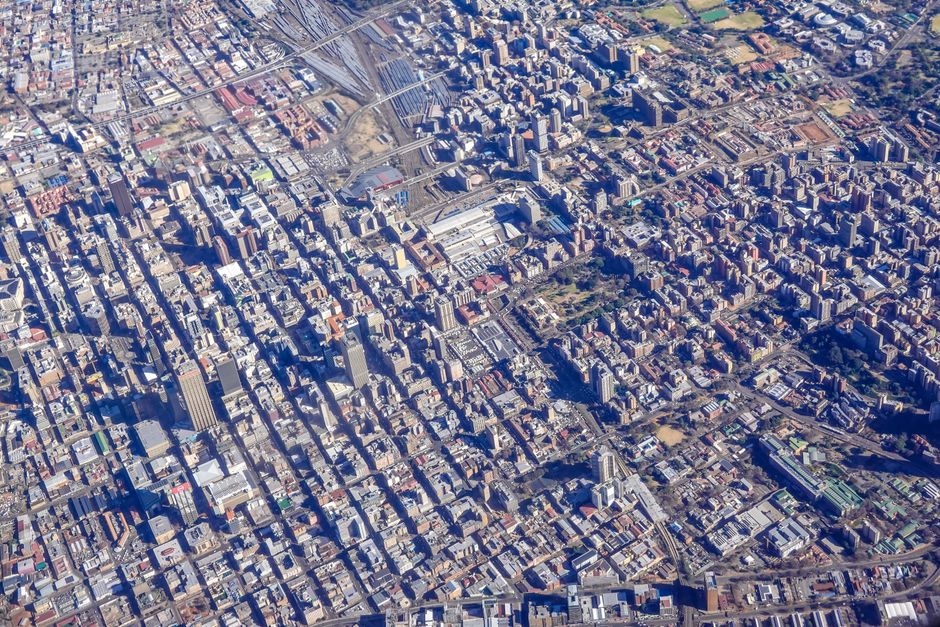
Johannesburg's transport budget is heading toward R14 billion in projected spending over the next three years, and the officials, economists and community leaders arguing over how to spend it cannot agree on a single priority. That fight surfaced publicly this week when the Gauteng Department of Roads and Transport tabled competing proposals at a briefing in Braamfontein, setting the stage for what infrastructure analysts are calling the most consequential municipal transport decision since the 2010 World Cup Rea Vaya rollout.
The timing is not accidental. Joburg Metrorail's Central Line, which carries an estimated 80,000 commuters daily between Park Station and Naledi in Soweto, remains crippled by cable theft and ageing rolling stock. Meanwhile, the ANC-DA coalition governing Gauteng is under pressure to show tangible delivery before the 2026 municipal by-elections in Johannesburg South. Both parties have transport legacy projects they want to protect, and neither is prepared to let the other claim credit for a turnaround.
What the Key Voices Are Saying
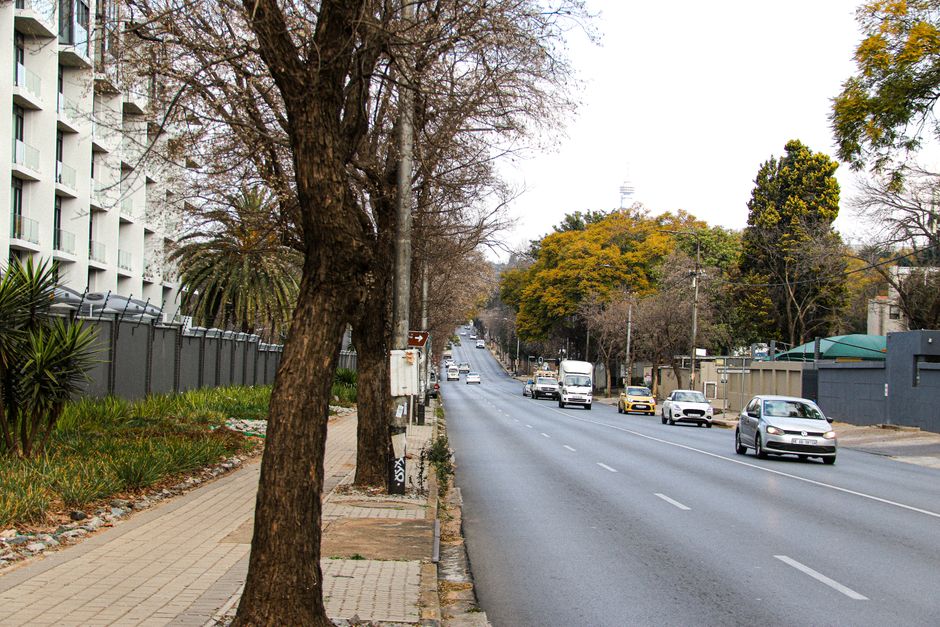
City of Johannesburg MMC for Transport officials have been pushing hardest for extending the Rea Vaya BRT network along the Louis Botha Avenue corridor, connecting Alexandra to the Sandton CBD — a stretch of roughly 12 kilometres that currently has no dedicated rapid-transit option. Their argument: Rea Vaya Phase 1C, which was supposed to be complete by 2023, already has sunk costs of over R800 million, and abandoning the corridor now would be fiscally reckless. Business groups in Sandton, including representatives from the Sandton Central Management District, have backed the corridor push, pointing out that the Gautrain Sandton station alone handles more than 11,000 daily boardings and cannot absorb growing demand without a feeder network.
Prasa, the Passenger Rail Agency of South Africa, is arguing something different. Its regional executives want the lion's share of the new funding directed at rolling stock procurement under its R4,5 billion fleet renewal programme, with Joburg's Wolhuter Depot near Jeppestown identified as a priority maintenance hub. Prasa's position has support from several ANC councillors in the southern suburbs, where Metrorail is the only affordable option for factory workers commuting from Soweto's Dobsonville and Meadowlands zones. A return fare from Naledi to Park Station costs R12.50 — roughly a tenth of what a metered taxi charges for the same trip on the N12.
Independent transport economists are sceptical of both camps. Researchers at Wits University's Graduate School of Governance, who released a working paper in May 2026, found that Johannesburg has started and stalled no fewer than seven major transit projects since 2010, with an average cost overrun of 34 percent. Their central point: governance fragmentation between the City of Johannesburg, Prasa, Sanral and the Gauteng provincial government means funding frequently arrives at projects without clear accountability for outcomes. The Soweto Highway interchange reconstruction at Chris Hani Road, still not fully complete three years after its projected handover date, is the example they cite most often.
Where the Money Could Actually Go
The provincial government has until September 30 to submit its final infrastructure spending framework to National Treasury, which effectively sets the political deadline for the competing factions to reach agreement — or have a decision imposed on them. Gauteng Premier's office spokespersons have signalled a preference for a blended model that funds both BRT corridor completion and Metrorail station upgrades simultaneously, starting with stations at Soweto's Mofolo and Nancefield stops, which community groups have flagged as dangerous after dark.
Commuters on the ground are less interested in the politics than in the 5h30 alarm they set to catch a taxi from Diepkloof because the train is unreliable. Civic organisations including the South African National Civic Organisation's Johannesburg branch have submitted written demands that any new funding framework include independently audited quarterly progress reports published in both English and Zulu. Whether any of the competing officials will commit to that level of transparency is the question hanging over the next round of budget talks, scheduled for late July at the Joburg City Hall on Loveday Street.