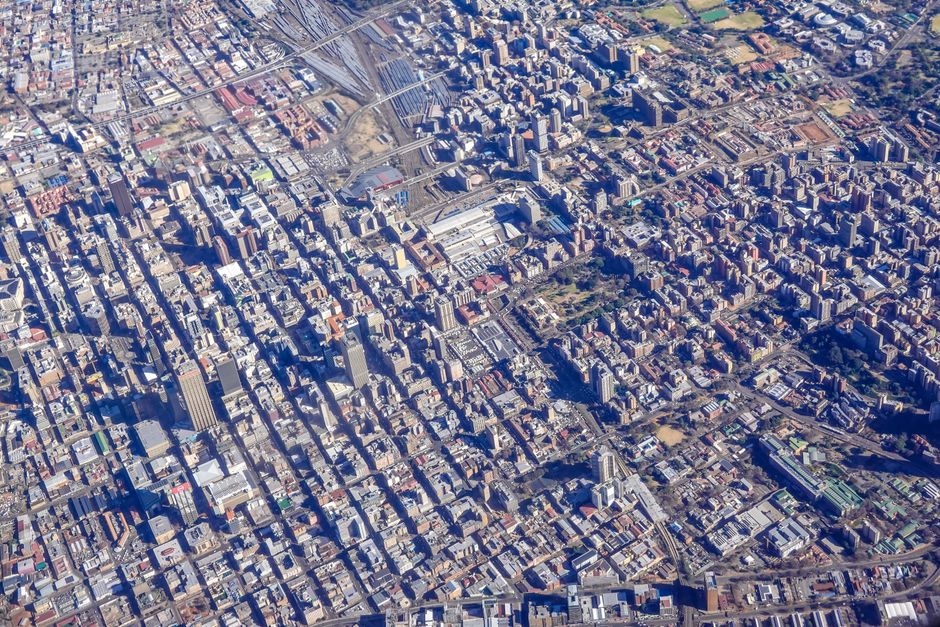
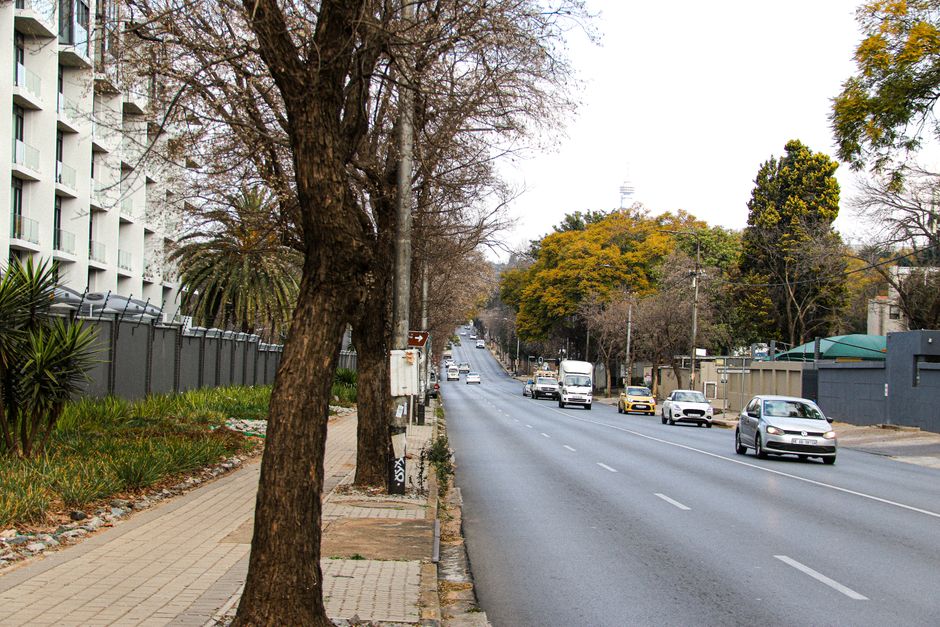
Sipho Dlamini leaves his home in Meadowlands, Soweto, at 4:45 every morning to catch the first of three connections that will, if nothing goes wrong, deposit him at his cleaning job in Rosebank by 8 a.m. The journey covers roughly 28 kilometres. It takes him more than three hours. "I spend R1,400 a month just getting to work," he said, standing at the Nasrec Road taxi rank on a recent weekday. "They keep saying the Metrorail will be fixed. It is not fixed."
His frustration cuts to the core of a crisis that city planners and economists say is quietly undermining Johannesburg's claim to be southern Africa's premier commercial hub. With the Rea Vaya bus rapid transit network still covering only a fraction of its originally planned 330-kilometre footprint — less than 85 kilometres of routes are currently operational — and the Joburg Metrorail reform programme grinding through its second year with no resumed full service on the crucial Soweto corridor, millions of residents are absorbing the cost in rand and in hours.
A City Running on Minibus Taxis and Broken Promises
The numbers frame the problem starkly. The South African National Household Travel Survey, last fully updated in 2023, found that more than 65 percent of Gauteng workers who use public transport rely primarily on minibus taxis — unregulated, unsubsidised and dangerous by any actuarial measure. Metrorail ridership in the Johannesburg metro collapsed from roughly 170,000 daily passengers in 2018 to fewer than 60,000 by 2024, according to the Passenger Rail Agency of South Africa's own published figures. Rea Vaya, which launched Phase 1A along Louis Botha Avenue back in 2009 with promises of rapid expansion, has not added a significant new trunk route since Phase 1C opened partially in 2018.
In Alexandra, one of the most densely populated urban settlements on the continent, residents describe a daily calculation between money and time that most middle-class Johannesburg residents never make. A domestic worker living near Hofmeyr Street in Alex said she walks 2.3 kilometres to the nearest Rea Vaya stop on London Road each morning because the taxi fare she saves — about R18 per trip — funds her child's school lunch. The walk takes her through poorly lit streets before 5 a.m. "The city is not built for people like us," she said. "It is built for cars."
The ANC-DA coalition governing Gauteng province has flagged integrated transport as a priority under the 2025-2030 Gauteng Integrated Transport Master Plan, but community organisations including the Transport and Development Forum in Johannesburg say implementation timelines have already slipped by at least 18 months. The City of Johannesburg's own draft budget for the 2026/27 financial year allocated R2.1 billion to transport infrastructure, but activists point out that a significant portion of that figure covers maintenance arrears rather than new capacity.
What Stagnation Costs the Wider Economy
The Sandton CBD, home to the Johannesburg Stock Exchange and dozens of multinational headquarters, is accessible from most of southern Johannesburg only by private car or a combination of taxis that can add 90 minutes to a working day. The economic drag is measurable. A 2024 study by the South African Cities Network estimated that poor public transport connectivity costs Johannesburg's metropolitan economy between R4.5 billion and R6 billion annually in lost productivity, with low-income workers bearing a disproportionate share of that burden through time lost and money spent.
Residents in Diepsloot, Tembisa and along the East Rand corridor around Katlehong have lodged formal objections with the Gauteng Department of Roads and Transport against what community groups describe as the repeated deferral of promised feeder routes. A petition organised through the Greater Johannesburg Commuter Forum collected more than 14,000 signatures between March and June this year.
City officials say the Rea Vaya Phase 2 route linking Soweto's Orlando Station to Park Station in the CBD remains a funding priority and that a decision on the R3.8 billion construction tender is expected before October 2026. For Sipho in Meadowlands, that announcement, if it comes, will be the fourth time he has heard it. He is not changing his 4:45 alarm.