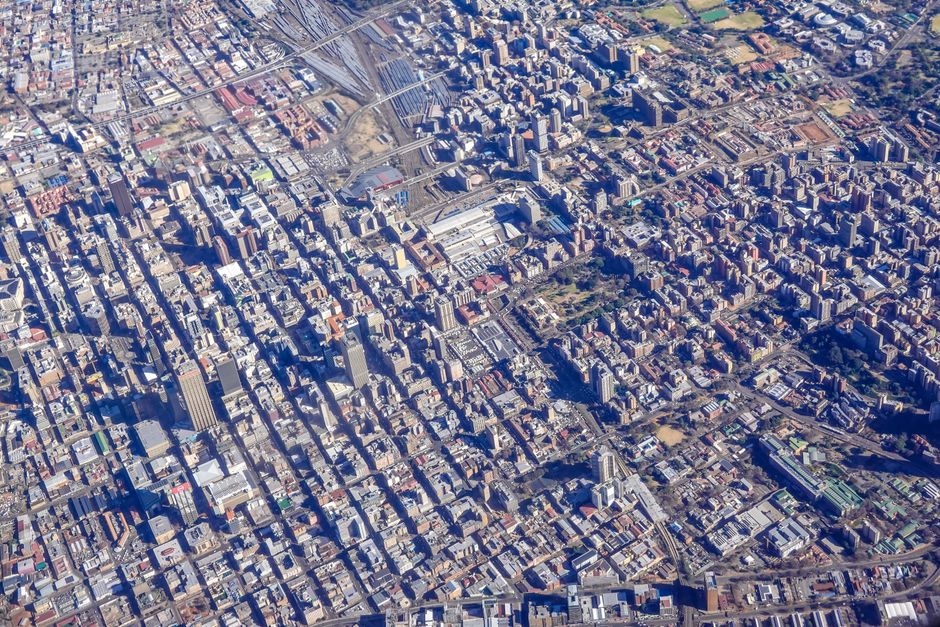
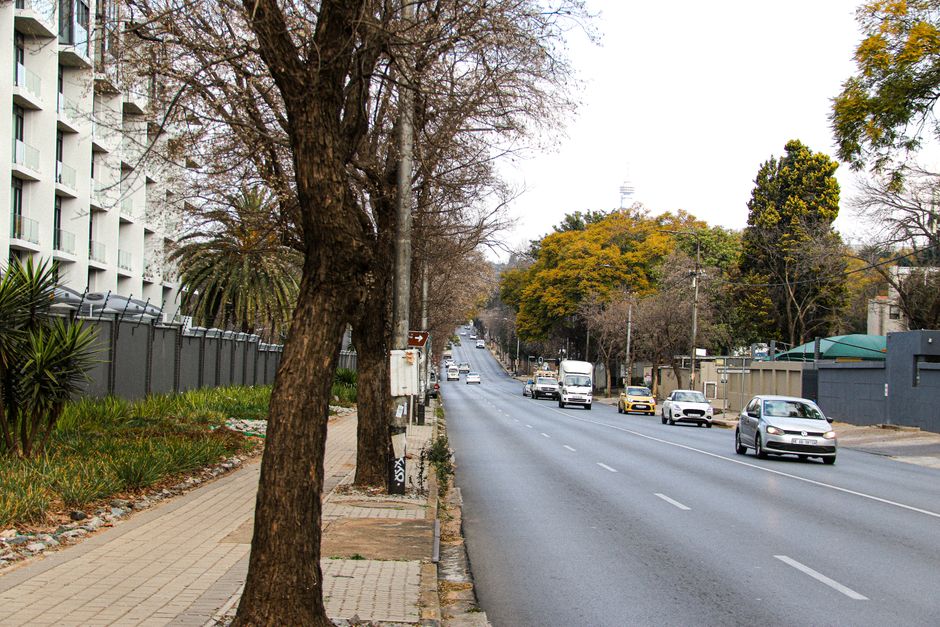
Fewer than three weeks remain before the third school term opens on 21 July, and education leaders across Johannesburg are warning that dozens of public schools remain structurally unfit to receive learners. The Gauteng Department of Education has confirmed 47 schools in the city's south and west are on a priority repair list — but contractors have completed work at fewer than half of them.
The concern is not abstract. South Africa's National Education Infrastructure Management System flagged in its last public report that Gauteng still has schools operating in mud structures or prefabricated buildings well past their designed lifespan. With the ANC-DA coalition government in Gauteng now entering its second year of shared administration, both parties face growing pressure to show that the power-sharing arrangement delivers tangible results beyond the electricity grid.
Soweto to Eldorado Park: Where the Cracks Are Worst
In Soweto, principals at schools along Khumalo Street in Meadowlands have told the Gauteng School Governing Body Forum that they have been waiting since February for roof repairs approved under the department's Accelerated Schools Infrastructure Delivery Initiative, known as ASIDI. Three schools in the Eldorado Park area are without functioning ablution facilities in at least one block, according to documentation submitted to the South African Democratic Teachers Union's Johannesburg South regional office in June. SADTU has written formally to the Johannesburg Central district office demanding completion certificates before term reopening.
The Democratic Alliance's Gauteng education spokesperson has called for an independent audit of all 1,100-plus public schools in the province, arguing that the department's own internal assessments lack credibility. The Economic Freedom Fighters, meanwhile, have staged two protests outside the Johannesburg Central Education District offices on Eloff Street in the CBD since May, demanding the publication of school-by-school infrastructure scorecards.
Infrastructure specialists at Wits University's School of Education point to a structural funding shortfall as the root cause. The national norms and standards for school infrastructure, gazetted in 2013, set minimum requirements that a significant number of Gauteng schools still do not meet thirteen years later. Researchers estimate the province-wide backlog for basic repairs — not new builds, just maintenance — runs to approximately R4.2 billion. The Gauteng provincial budget allocated R1.1 billion for education infrastructure in the 2025-26 financial year.
Migration Pressure Adds to an Already Strained System
Schools in areas with high concentrations of recently arrived Zimbabwean and Mozambican families — including sections of Jeppestown, Denver and parts of the Far East Rand — are also grappling with enrolment numbers that outstrip their official capacity. Principals in those zones have told district officials that classes of 55 learners in rooms designed for 35 are not uncommon. The Gauteng Department of Education's own admission data from January 2026 showed more than 12,000 learners placed in schools operating above 100 percent capacity in the Johannesburg East and Ekurhuleni districts combined.
The South African Council for Educators has noted that teacher morale is directly connected to working conditions. Schools where water supply is unreliable or where asbestos roof panels remain unfixed are losing experienced staff to better-resourced suburban schools and private institutions. Sandton-area private schools, by contrast, report waiting lists — a stark indicator of how unevenly resourced the city's education landscape remains.
The Gauteng Department of Education says it will publish a full infrastructure readiness report by 14 July, one week before term begins. School governing bodies are being advised to conduct their own walkthroughs using the department's published checklist and to submit written defect reports to their district office by 10 July — the deadline after which emergency contractor deployments become logistically difficult. Parents in affected areas can log complaints directly through the GDE's WhatsApp reporting line, launched in March 2026, or by visiting the district offices on Eloff Street in person. Officials are promising weekly updates. Whether the contractors show up on time is a different question entirely.