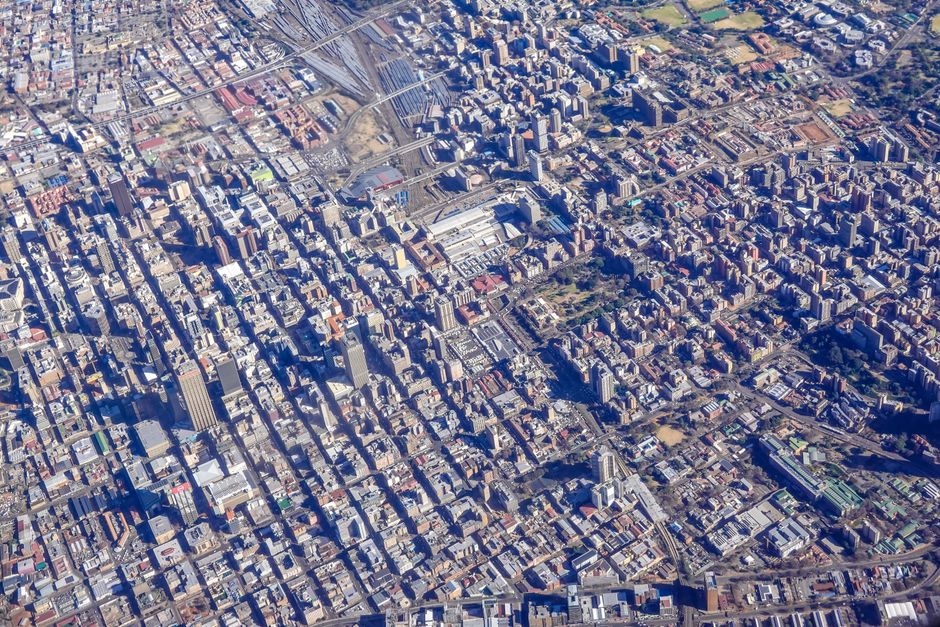
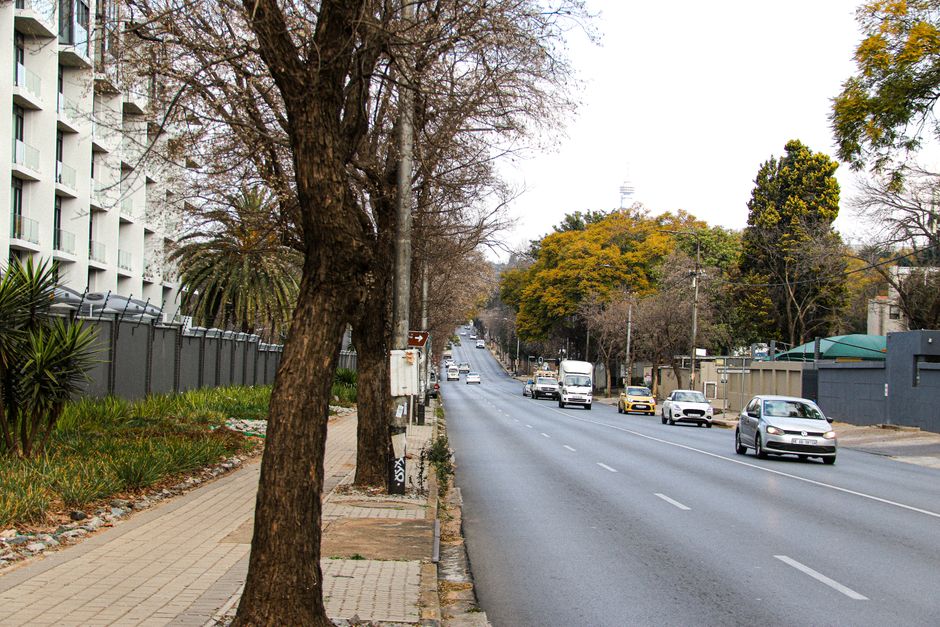
More than 2.2 million undocumented migrants are estimated to be living in Gauteng province, according to figures cited by the South African Human Sciences Research Council in its 2025 migration audit — and the largest share of them live within Johannesburg's boundaries. The city's central business district, the working-class streets of Hillbrow and Berea, and the sprawling informal settlements south of the N12 highway have absorbed wave after wave of arrivals from Zimbabwe, Mozambique, the DRC and, increasingly, from East and West Africa. That concentration has brought services to breaking point and placed the ANC-DA coalition running Gauteng under mounting pressure to act.
The tension is not new, but the scale is. Two structural crises — Zimbabwe's decade-long economic contraction and Mozambique's Cabo Delgado insurgency — pushed migration into overdrive after 2020. Then came South Africa's own load shedding crisis, which paradoxically deepened the draw: Johannesburg's Sandton financial district kept generators running and kept jobs alive when Harare and Maputo simply could not. People followed the electricity. They still are.
The Geography of Arrival
For most migrants crossing on foot through Beit Bridge or via the Lebombo border post, Johannesburg is the destination, not a waypoint. The M2 highway corridor into the inner city acts as a funnel. By the time new arrivals reach Cleveland or Jeppe Street, they are typically inserted into informal networks — often community associations tied to specific origin countries — that provide shared accommodation, informal credit and work leads. The Somali Association of South Africa, which maintains offices in Crown Mines, has documented this pipeline for over fifteen years. So has the Scalabrini Centre, which operates a walk-in service for migrants in the CBD and processed more than 18,000 individual cases during 2024 alone.
Hillbrow's density tells the story in concrete terms. The neighbourhood, roughly one square kilometre, houses an estimated 100,000 residents — most of them renters paying between R1,500 and R3,800 per month for single rooms in buildings that the Johannesburg Property Company has repeatedly flagged as structurally compromised. The City's Red Ants eviction units conducted 47 operations in Hillbrow between January and May 2026, displacing thousands into adjacent areas like Yeoville and Bertrams without permanent alternative shelter.
Policy Gaps and a Coalition Under Strain
The ANC-DA Gauteng coalition, formed in mid-2024, inherited a Department of Community Safety with a backlog of over 60,000 unprocessed asylum applications at the Desmond Tutu Refugee Reception Office on Harrison Street. Processing times that once ran to six months have stretched beyond two years. That gap — the long limbo between application and status — is where exploitation breeds. Employers in the Johannesburg Market on City Deep Road, the largest fresh produce market on the African continent, have long known that undocumented workers will accept below-minimum wages rather than risk a Home Affairs encounter. The Department of Employment and Labour's Joburg East office confirmed three compliance raids at City Deep in the first quarter of 2026, but fines issued to market traders averaged just R12,000 — widely regarded by labour advocates as a negligible deterrent.
Nationally, the Department of Home Affairs has promised a new Border Management Authority field office in Johannesburg by the end of 2026, which would centralise status verification and reduce the load on Harrison Street. The Gauteng coalition has separately earmarked R340 million in its 2026-27 budget for what it calls the Urban Migration Integration Programme — a mix of shelter subsidies, skills registration and health access points in eight inner-city wards. Critics from both civil society groups and opposition benches in the Gauteng legislature argue the programme lacks enforcement teeth and a clear accountability framework.
For residents and new arrivals alike, the immediate future turns on whether that budget allocation survives mid-year adjustments — Gauteng's treasury review is scheduled for August — and whether the Harrison Street office can clear enough of its backlog before winter deepens the humanitarian strain on inner-city shelters. The African Diaspora Forum, based in Braamfontein, has called for an emergency multi-stakeholder summit before September. Whether the coalition responds will signal how seriously Johannesburg's leaders are taking a crisis that did not arrive overnight.