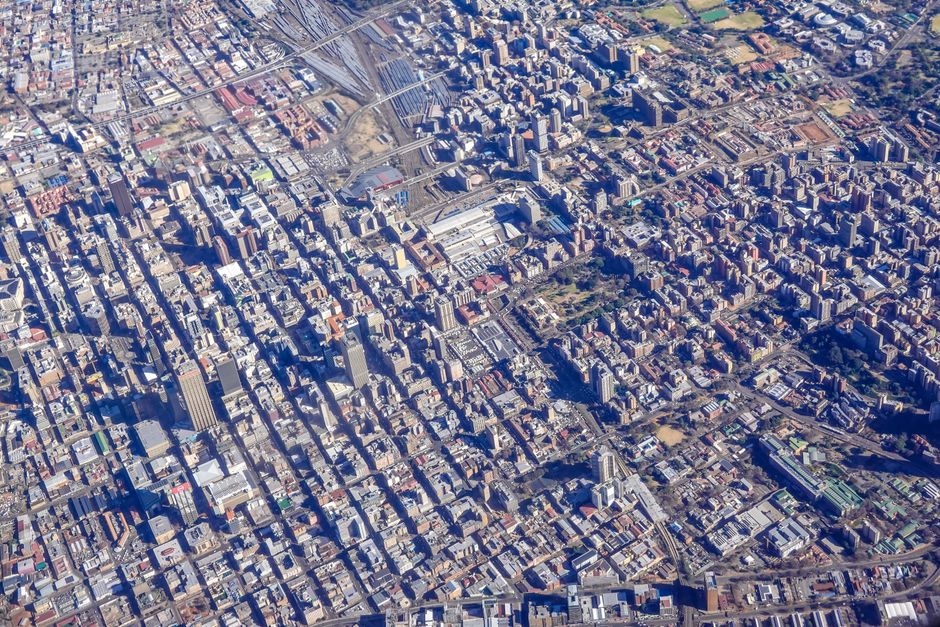
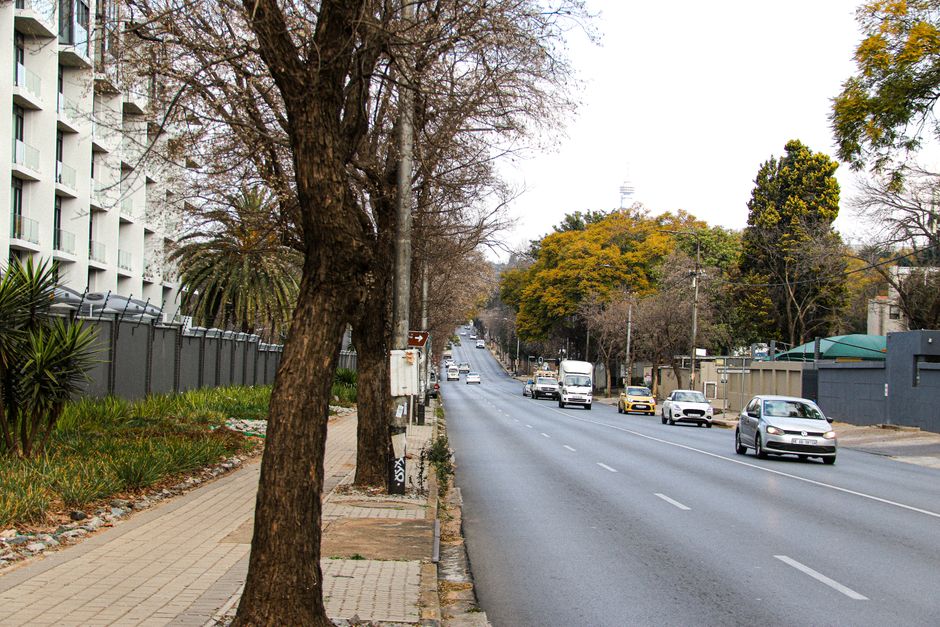
Gauteng's ANC-DA coalition government confirmed this week that it had opened a formal review of how provincial departments deliver services to non-citizen residents, a process that could reshape daily life for hundreds of thousands of Zimbabwean and Mozambican migrants living across Johannesburg. The review, tabled before the Gauteng Legislature's social development committee on Tuesday, follows months of mounting pressure from ratepayer groups in areas like Rosettenville and Hillbrow, where competition over housing and municipal clinics has sharpened since early 2026.
The timing is not accidental. Across Europe, governments are hardening their stances on migration — Poland's prime minister spent much of this week warning about border security, and France is still counting the dead from a catastrophic heatwave that fell hardest on migrant workers in Paris's outer arrondissements. Johannesburg's leaders are watching those pressures translate into electoral results abroad and calculating what a similar mood could mean at the 2027 local government elections.
What the Review Actually Covers
The committee's terms of reference, a 14-page document circulated to NGOs on Wednesday, focus on three specific programs: the City of Johannesburg's Expanded Public Works Programme, which employed roughly 42,000 participants in the 2025-26 financial year; the Johannesburg Social Housing Company's allocation lists; and access to the Jabulani and Hillbrow Community Health Centres, both of which see patient volumes well above their designed capacity. Officials confirmed that non-citizens currently access all three, subject to documentary requirements, and that the review will determine whether additional verification steps are warranted.
The African Diaspora Forum, which operates out of offices on Claim Street in Braamfontein, pushed back hard within hours of the document circulating. The organisation, which has tracked migrant welfare in Gauteng since 2004, warned that adding bureaucratic layers would drive people away from clinics and toward informal traders selling prescription medication without oversight — a pattern the forum documented extensively after previous policy tightening in 2019. Lawyers for Human Rights, based in the Parktown area, indicated it was monitoring the review for constitutional compliance under Section 27, which guarantees access to health care regardless of nationality.
On the ground in areas like Fordsburg and along Commissioner Street in the Joburg CBD, the week's news landed with a mixture of anxiety and resignation. Zimbabwean nationals who arrived after the 2024 SADC labour mobility pilot began have work permits tied to specific employers. Mozambican construction workers, concentrated in Devland and parts of Soweto, operate under a different permit category and were particularly worried about how a tightened EPWP access policy might affect seasonal earnings. Daily wages on city-contracted projects currently run between R280 and R350, and many workers said losing access would force a return to casual labour markets where payment is unreliable.
The Numbers Behind the Debate
Statistics South Africa's most recent community survey, released in March 2026, estimated that Gauteng hosts approximately 1.2 million foreign-born residents, with Zimbabwean nationals forming the single largest group at an estimated 680,000 province-wide. The majority are concentrated in Johannesburg. Joburg's own metro figures show that the inner city wards covering Hillbrow, Berea and Yeoville have population densities above 35,000 people per square kilometre — comparable to central Lagos — which puts sustained pressure on infrastructure regardless of nationality.
Metrorail's ongoing reform program, which has improved Soweto-to-CBD train frequency since February, has been one practical benefit that migrants cite as meaningful. A functional train from Naledi station to Park Station costs R14.50 on a Metrocard, a fraction of a minibus taxi fare, and the restored service has been running largely on schedule for 90 days. Advocates argue this kind of infrastructure investment serves everyone and should be the model, not document crackdowns.
The legislative committee has set a public comment deadline of 25 July. The African Diaspora Forum said it would submit a formal response and was coordinating with the Nelson Mandela Foundation's social cohesion desk to ensure civil society voices were represented before any policy changes are gazetted. Anyone wishing to comment can access the draft terms of reference through the Gauteng Legislature's website or in person at the Legislature building on Cnr Serurubele and Julius Nyerere streets in Johannesburg.