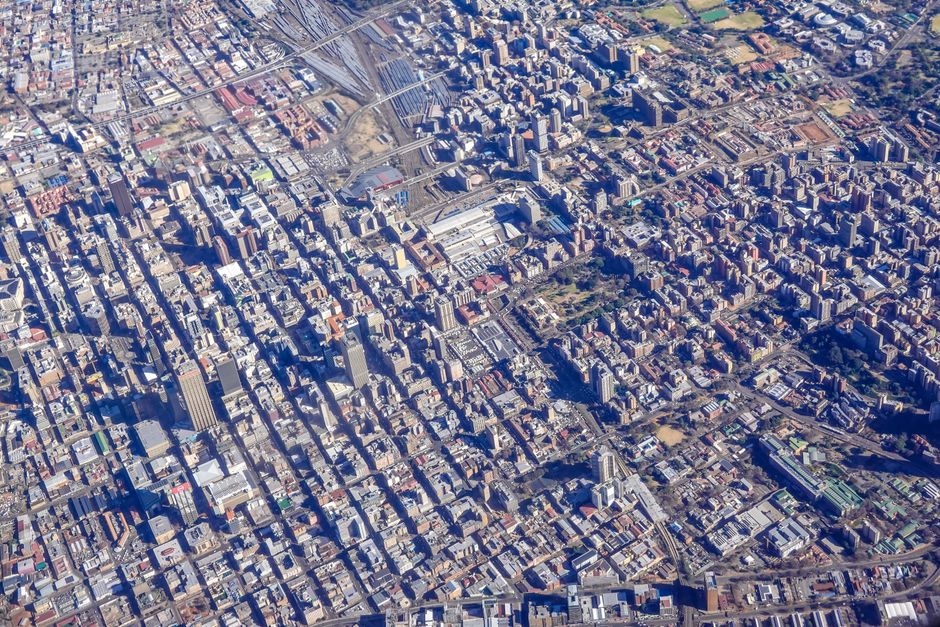
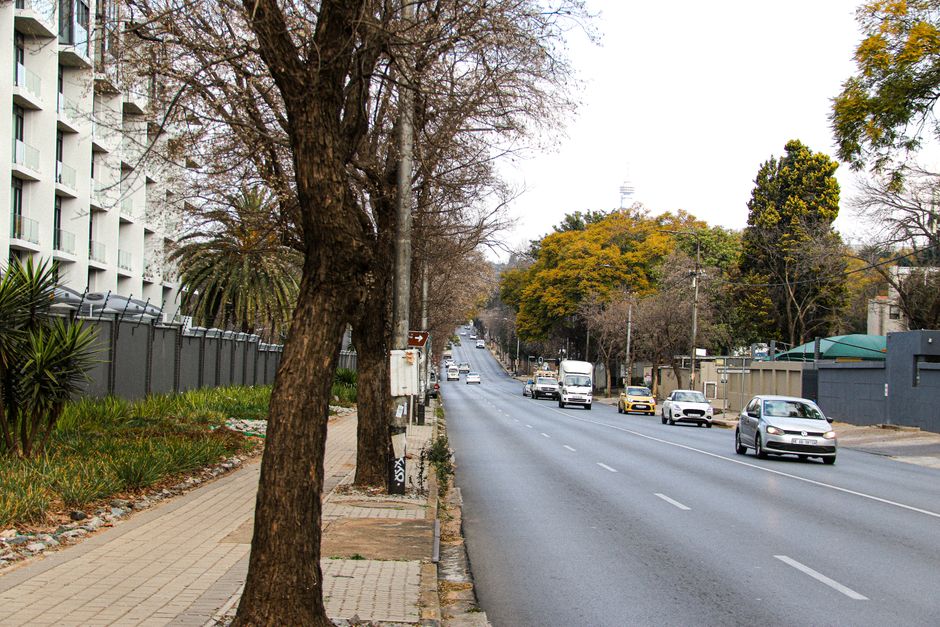
Residents in at least fourteen Johannesburg wards reported measurable improvements in local air quality and water access during the first half of 2026, according to data compiled by the South African Cities Network released last month. The figures come as community-led environmental programmes quietly reshape daily life across the city, from Alexandra township in the northeast to Lenasia in the south — efforts that health workers and municipal planners say are arriving not a moment too soon.
The urgency is hard to overstate. Johannesburg Water recorded more than 3,800 unplanned supply interruptions across the metro between January and May this year. Average household water pressure in older township infrastructure — particularly in Diepsloot and parts of Orange Farm — has dropped below the minimum standard set by the Water Services Act. Meanwhile, a University of the Witwatersrand atmospheric study published in March measured particulate matter levels along the N12 corridor near Eldorado Park at 68 micrograms per cubic metre on winter mornings, nearly three times the World Health Organisation's guideline of 25. For children and the elderly, those numbers are not abstractions.
Programmes Taking Root Across the Metro
The Klipspruit Wetland Restoration Project, run by the non-profit Johannesburg Environmental Trust in partnership with the City of Johannesburg's Environment and Infrastructure Services Department, has rehabilitated roughly 4.2 hectares of degraded wetland along the Klipspruit River in Soweto since breaking ground in October 2024. The wetland acts as a natural filtration system, intercepting grey water and stormwater runoff before it reaches the Vaal catchment. Community members from Meadowlands and Dobsonville have been employed as wetland monitors — 34 paid positions so far — checking flow rates, sediment levels and invasive plant species on a weekly rotation.
Thirty kilometres north, on the rooftops of Sandton's mixed-use Melrose Arch precinct, the Green Roof Johannesburg Initiative has installed 2,100 square metres of vegetated roofing since its launch with backing from FirstRand's FNB Community Fund in 2025. The system reduces urban heat island effect, captures rainfall for greywater reuse in the buildings below and, according to the initiative's own monitoring data, cuts individual building cooling energy demands by between 12 and 18 percent during peak summer months. The broader Sandton CBD — which draws an estimated 350,000 commuters and workers daily — has long been identified by the City's 2040 Growth and Development Strategy as a priority zone for climate adaptation.
In Alexandra, the Jozi Water Heroes programme — a collaboration between the Alex Renewal Project office and ward committees — distributed 1,200 household water storage tanks between February and June this year, each with a 500-litre capacity, at a subsidised cost of R180 per household after a City rebate. Officials say the scheme has cut emergency call-outs related to water storage failures in the 16th Ward by 27 percent since March. It is a modest number, but in a neighbourhood where a single burst pipe can leave 400 families without water for 72 hours, the relief is concrete.
What Residents Can Expect Next
The City of Johannesburg's Department of Environment is set to table a revised Air Quality Management Plan before the Gauteng Provincial Legislature by 30 September 2026, under the ANC-DA coalition's joint governance framework. The plan is expected to set stricter emission limits on coal and biomass burning — a significant issue in winter months when open fire heating in townships drives air pollution spikes — and to earmark R45 million for the expansion of wetland restoration to the Jukskei River corridor in the north of the city.
For residents in affected areas, ward environmental officers are encouraging households to register complaints about illegal dumping and localised burning via the City's Joburg Connect 0860 56 28 74 line, which feeds directly into the pollution monitoring database. Community meetings on the Alex water tank subsidy scheme are scheduled at the Pan Africa Mall community hall every second Saturday through August. Residents wanting to participate in the Klipspruit monitoring programme can approach the Johannesburg Environmental Trust office on Eloff Street in the CBD for registration. The city's problems did not accumulate overnight. Neither will the solutions — but they are accumulating.