Johannesburg's 15 Precincts Reveal Where Crime Interventions Actually Work, Officials and Experts Say
A new assessment of the city's precinct-level policing data is showing measurable results in some neighbourhoods — and stubborn failures in others.
A new assessment of the city's precinct-level policing data is showing measurable results in some neighbourhoods — and stubborn failures in others.
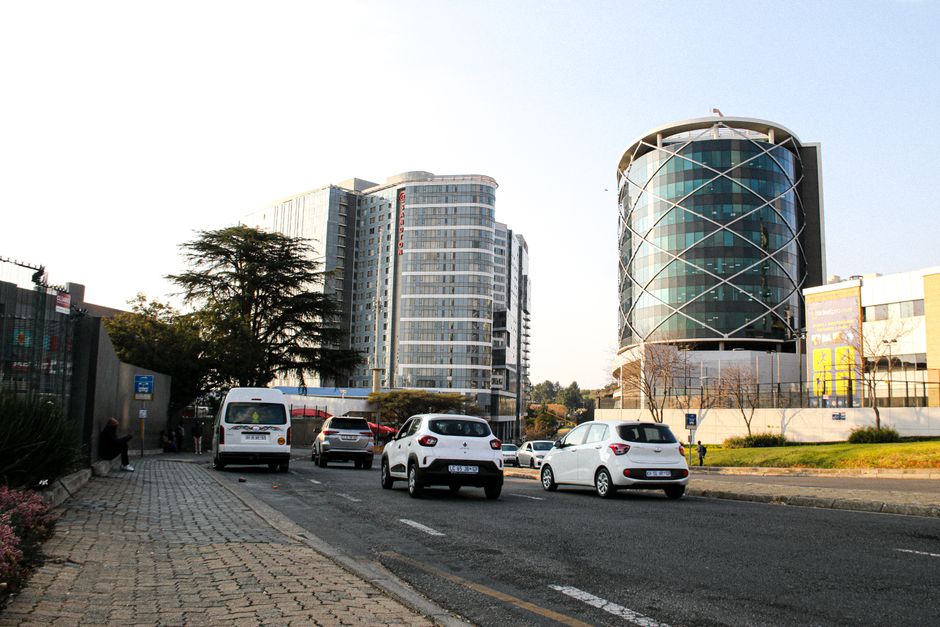
Three precincts — Sandton, Brixton and Alexandra — posted double-digit drops in contact crime between January and May 2026, according to figures tabled at a Johannesburg Metro Police Department briefing last Tuesday. The numbers, drawn from the JMPD's quarterly precinct scorecards, are the clearest evidence yet that targeted interventions can move the needle — even as overall crime remains the top concern for residents citywide.
The timing matters. The ANC-DA coalition running Gauteng is heading into mid-term budget reviews, and crime is the single issue that both parties know they cannot afford to fumble. Community Safety MMC Councillor Nkosi Dlamini has been under pressure since March to show that the R420 million earmarked for the metro's Safer City programme is producing results, not just reports.
Sandton's commercial core — covering Katherine Street down to Rivonia Road — saw armed robbery incidents fall 18 percent over the five-month period. JMPD officials attribute that to the expanded CCTV grid, which now links 340 cameras across the Sandton CBD to a command centre in Marlboro. The rollout, which started in October 2025, gave operators real-time visibility for the first time across the entire precinct, not just the immediate surrounds of Sandton City mall.
Alexandra tells a more complicated story. The precinct recorded a 14 percent reduction in aggravated robbery, but community liaison officers from the Alex Renewal Project told the briefing that displacement is a real risk — that some criminal activity appears to be migrating westward toward Wynberg and the informal settlements along the Jukskei River corridor. The Alex Renewal Project, a Gauteng provincial programme, has been operating in the township since 2001, and its latest phase injected R67 million into infrastructure and lighting upgrades beginning in February 2026.
Brixton, long one of the city's most contested precincts straddling the western edge of Johannesburg's inner city, is showing the most unusual pattern. Vehicle theft is down 22 percent, which criminologist Dr Thandi Mokoena from the University of the Witwatersrand told a panel this week she attributes partly to the precinct's partnership with the South African Insurance Association. Insurers funded GPS tracking retrofits for 1,200 high-risk vehicles registered to addresses in Brixton and the adjacent Mayfair area — a private-sector intervention that the JMPD folded into its precinct model in late 2025.
Not every precinct is celebrating. Soweto's Jabulani and Dobsonville precincts are among those where the JMPD scorecard shows no statistically significant change in any of the seven crime categories it tracks. Community policing forums in those areas have complained for months that foot patrol numbers promised under the Safer City programme never materialised at the levels specified. The Dobsonville CPF submitted a formal complaint to the City of Johannesburg Oversight Committee in April, citing a shortfall of roughly 40 officers against the deployment schedule.
Experts from the Institute for Security Studies, based in Pretoria, have argued publicly that precinct-level success in wealthier nodes like Sandton is partly a product of private security layering — a dynamic that inflates the apparent effectiveness of public interventions. That critique has gained traction inside City Hall. A draft proposal circulating in the MMC's office would require precincts to disaggregate public JMPD activity from private security responses before publishing results, making the data harder to spin.
The next full precinct scorecard is due for public release in September 2026. Residents wanting to engage with the data before then can access the quarterly summaries through the City of Johannesburg's open data portal or attend ward-level community safety meetings — the Johannesburg Central precinct holds its forum on the first Monday of each month at the Civic Centre on Loveday Street in Braamfontein. Officials say the September report will, for the first time, include pedestrian safety metrics alongside the existing crime categories, giving communities a fuller picture of what progress — or the lack of it — actually looks like on the ground.
How does this story make you feel?
Spread the word
About this article
Published by The Daily Johannesburg
Daily brief
Free, in your inbox before 7am. Weekdays.
More in News