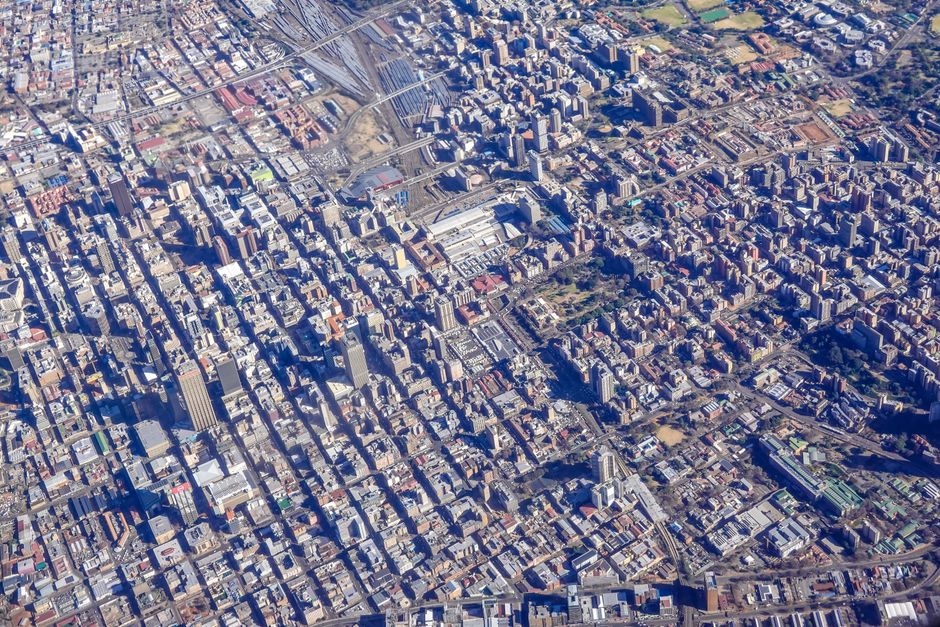
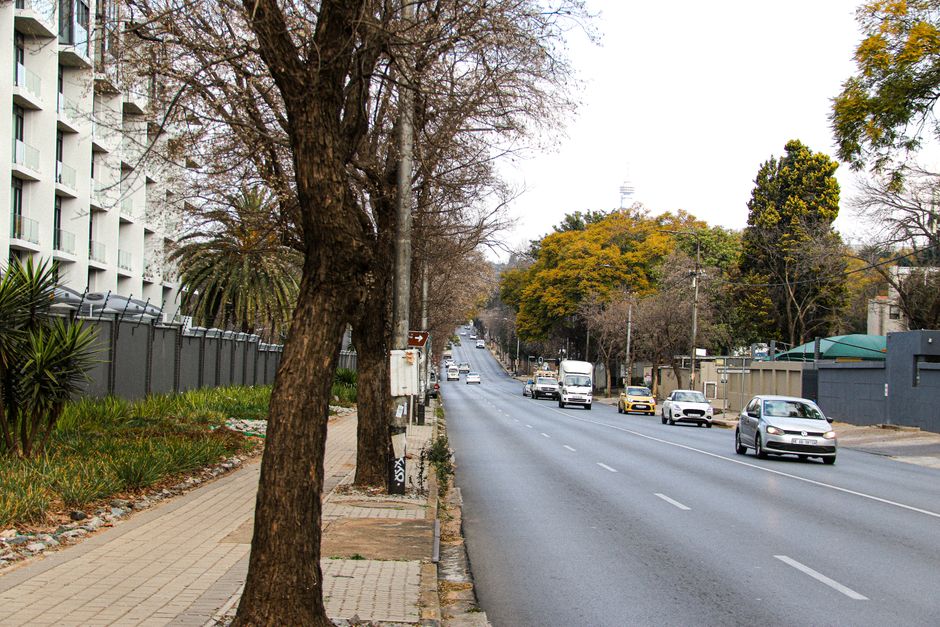
The Gauteng provincial government confirmed this week that Braamfontein is among the priority nodes earmarked under the Gautrain Management Agency's Phase 2 expansion plan, with a proposed station site near the intersection of De Korte Street and Melle Street under active feasibility review. For the students, traders, creatives and commuters who pack this neighbourhood daily, the announcement lands differently than it does for transport planners in Midrand offices.
Timing matters here. The ANC-DA coalition running Gauteng has staked considerable political capital on infrastructure delivery ahead of the 2026 municipal review cycle. Load shedding stages have dropped significantly compared to 2024 peaks, which means construction timelines that once looked optimistic are now at least theoretically viable. The Braamfontein node also sits within 800 metres of Wits University's main campus on Jorissen Street, the Joburg Art Museum on Joubert Street, and the Constitutional Court precinct — a concentration of foot traffic that planners say justifies the capital outlay.
Who Gains, Who Gets Left Out
Braamfontein's commuter profile is complicated. The neighbourhood draws roughly 40,000 daily visitors on weekdays, according to figures the City of Johannesburg's Urban Development Zone office published in its 2025 precinct report. A significant portion arrive by Rea Vaya Bus Rapid Transit from Soweto along Empire Road, or squeeze onto minibus taxis running the Bree Street taxi rank routes. The current Gautrain Park Station, roughly 1.2 kilometres away on Wolmarans Street, is technically walkable but functionally distant for someone carrying a backpack, a child or a bag of market goods in July's biting cold.
A dedicated Braamfontein stop would cut that gap entirely. But the Gautrain's pricing structure remains a stubborn obstacle. A single trip between Sandton and Park Station currently costs R51.50 — a fare that excludes the majority of domestic workers, construction labourers and informal traders who form the backbone of the neighbourhood's daytime economy. The Phase 2 planning documents circulated to stakeholders this year acknowledge the affordability gap but stop short of committing to a subsidised fare tier. The Joburg Metrorail reform process, which is separately attempting to rehabilitate the long-suffering Soweto and East Rand commuter rail lines, has made no formal link to Gautrain fare integration.
Community groups in Braamfontein have been tracking the process closely. The Braamfontein Improvement District, which manages public space and safety along Juta Street and its surrounds, submitted formal comment to the Gautrain Management Agency in March 2026 calling for a community benefit agreement that would include local hiring targets during construction and vendor space allocation near the station footprint. Whether those asks make it into a final agreement is another matter.
What Comes Next
The feasibility study is expected to conclude by October 2026, after which the Gauteng Department of Roads and Transport must make a funding allocation decision before the end of the financial year. Civil society organisations including the South African Cities Network have urged the province to publish the full socioeconomic impact assessment rather than a summary, arguing that previous infrastructure projects in areas like Newtown and the Maboneng Precinct on Fox Street generated gentrification pressure that pushed out the communities they were meant to serve.
For residents and daily commuters, the practical advice is straightforward: the Braamfontein Improvement District's office on Juta Street is accepting written submissions on the project until 31 August 2026, and the Gautrain Management Agency is holding a public information session at the Drill Hall on Twist Street on 22 July. Showing up matters. The Phase 1 Gautrain rollout, which opened in 2010 ahead of the FIFA World Cup, was largely designed without structured community input. Phase 2 has a written public participation requirement — but only if residents use it.