Joburg's Housing Crisis Gets Unconventional Treatment — and Residents Are Watching Closely
As Singapore builds upward and Toronto rezones its suburbs, Johannesburg is betting on something messier, more local, and potentially more transformative.
As Singapore builds upward and Toronto rezones its suburbs, Johannesburg is betting on something messier, more local, and potentially more transformative.
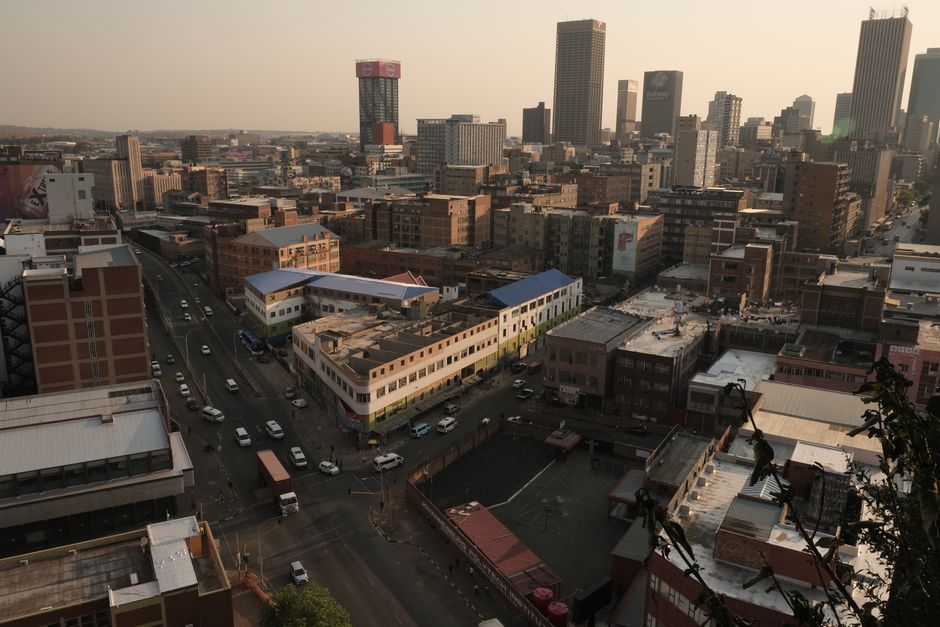
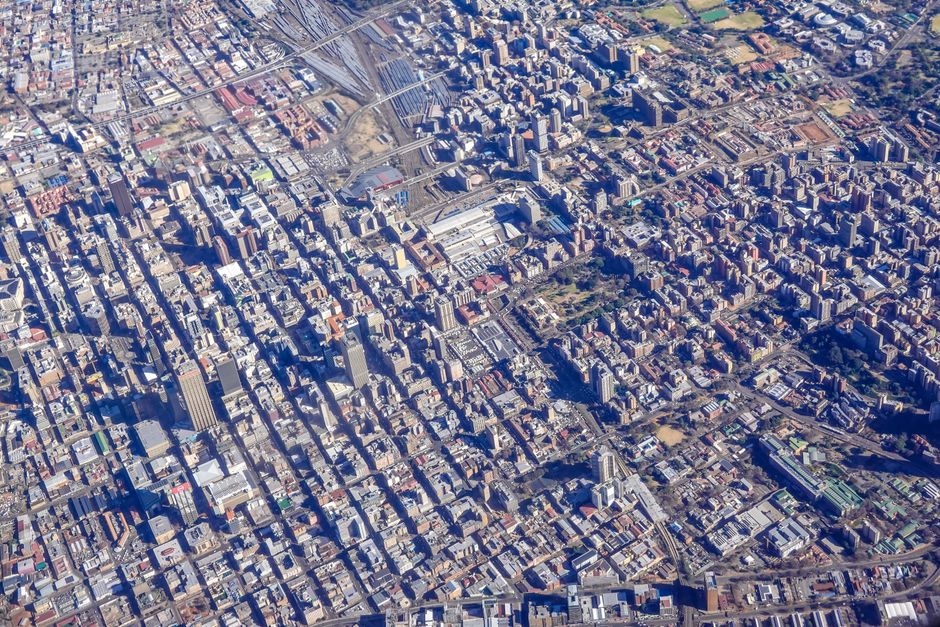
The City of Johannesburg's Housing Development Agency confirmed last month that the metropolitan area faces a backlog of at least 300,000 formal housing units — a figure that has barely shifted in three years despite successive municipal budgets promising to close the gap. Now, a patchwork of city-driven and community-led interventions is testing whether Joburg can solve a crisis that conventional public housing programmes have consistently failed to crack.
The stakes are immediate. Rental prices in areas like Brixton and Bez Valley have climbed roughly 18 percent since 2024, squeezing tenants who earn between R5,000 and R12,000 a month — the income band that falls too high for RDP qualification but too low for the private market. Families doubling up in backyard rooms, informal settlements expanding along the N1 Western Bypass corridor, and a surge in building occupations in Hillbrow have all sharpened political pressure on the ANC-DA coalition running Gauteng to produce visible results before the 2027 local government elections.
The approach diverges sharply from the mega-projects favoured elsewhere. Singapore's Housing Development Board constructs towns of 50,000 units at a stroke. Toronto's 2023 "As-of-Right" zoning reforms allow multiplexes across the entire city. Johannesburg is doing neither. Instead, the city is leaning on three distinct mechanisms that reflect its own fractured urban geography.
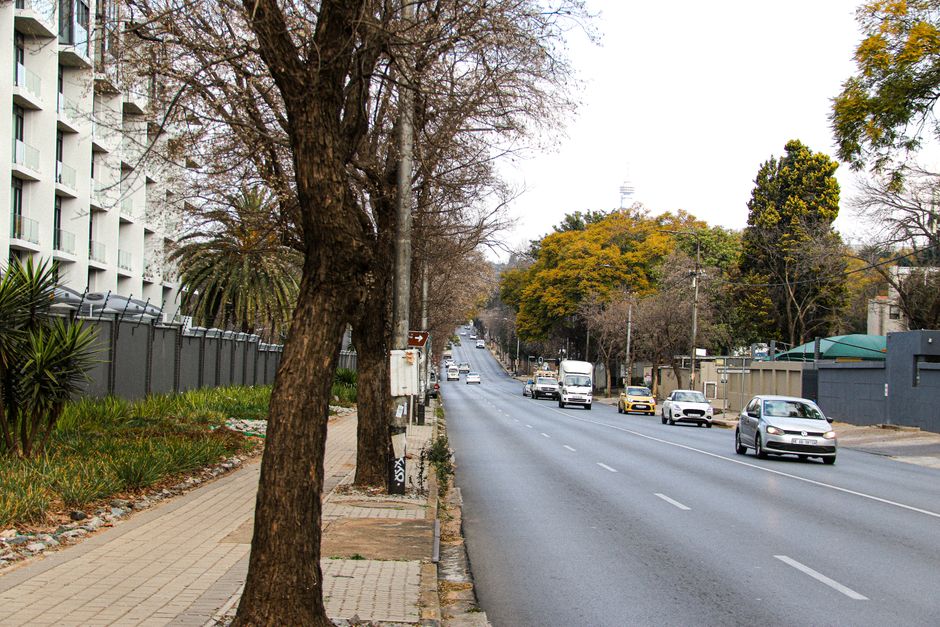
The first is a densification pilot along the Louis Botha Avenue corridor, stretching from Orange Grove through Alexandra. The Johannesburg Development Agency is offering rates rebates to private landlords who convert underused commercial ground floors into subsidised residential units, with at least 40 percent of resulting stock ring-fenced for households earning below R15,000 a month. Twelve buildings have signed agreements since January 2026, adding roughly 340 units to a stretch of road that connects some of the city's sharpest wealth contrasts.
The second is the "Upgrade in Place" programme operating in Soweto's Kliptown neighbourhood, where the city works alongside the South African National Civic Organisation to issue formal title deeds to residents of existing informal structures rather than relocating them. The logic is straightforward: security of tenure unlocks private investment and household improvement spending without requiring the city to build a single new brick. About 1,200 households in Kliptown are at various stages of the titling process.
The third intervention is more controversial. The City's inner-city Land Release Framework, approved by council in March 2026, identifies 14 municipally-owned parcels in areas like Newtown and Fordsburg for transfer to community land trusts — non-profit structures that hold land collectively and lease it to residents, preventing resale and keeping units permanently affordable. Critics inside the DA caucus have called this a disincentive to private investment. Proponents point to similar models in Nairobi and Medellín that have held affordability for more than a decade.
The gap between policy language and lived experience remains wide. In Jeppestown, residents of the Gympie Street informal settlement have been waiting since 2022 for a promised 700-unit mixed-income development that remains stuck at the environmental authorisation stage. The Gauteng Department of Human Settlements has not publicly revised its completion timeline beyond a vague reference to "late 2027."
Migration pressure compounds the problem. An estimated 120,000 Zimbabweans and Mozambicans arrived in Gauteng in 2025 alone, according to data from the African Centre for Migration and Society at Wits University. Many settle in Johannesburg's inner city, competing for the same shrinking pool of affordable rooms that Joburg-born renters need.
Practically speaking, residents in areas covered by the Louis Botha densification corridor or the Kliptown titling programme should contact the Johannesburg Development Agency's walk-in centre on Loveday Street in the CBD to verify whether their address falls within an active programme boundary. The agency updates its project maps monthly. Those in the inner city navigating building occupation situations can also reach the Socio-Economic Rights Institute, based in Braamfontein, for legal guidance on eviction protections under the Prevention of Illegal Eviction Act.
The next hard test comes in September 2026, when the city tables its mid-year budget adjustment. Housing officials will have to show council — and an increasingly impatient public — measurable unit delivery numbers, not just signed agreements and approved frameworks.
How does this story make you feel?
Spread the word
About this article
Published by The Daily Johannesburg
Daily brief
Free, in your inbox before 7am. Weekdays.
More in News