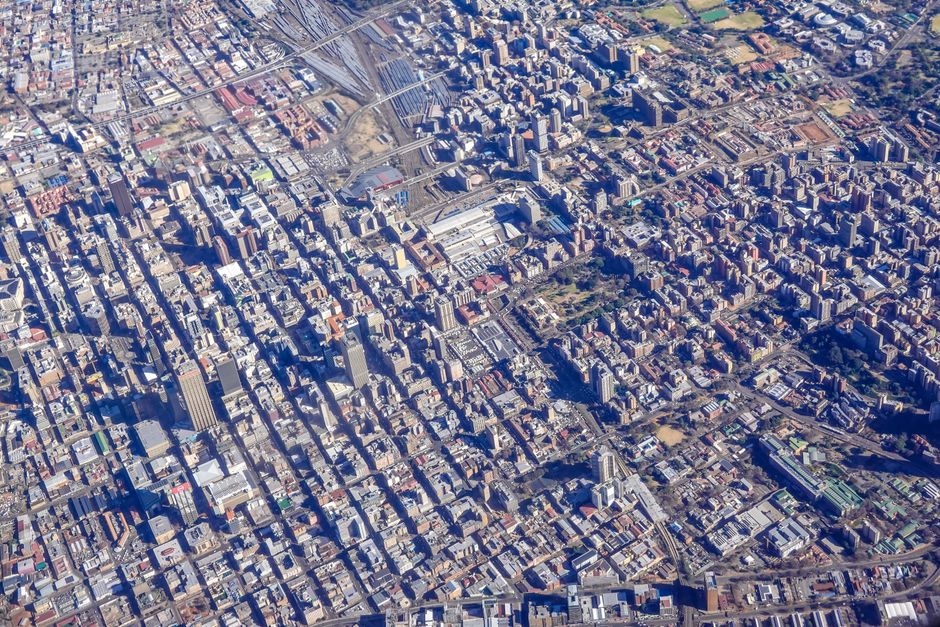
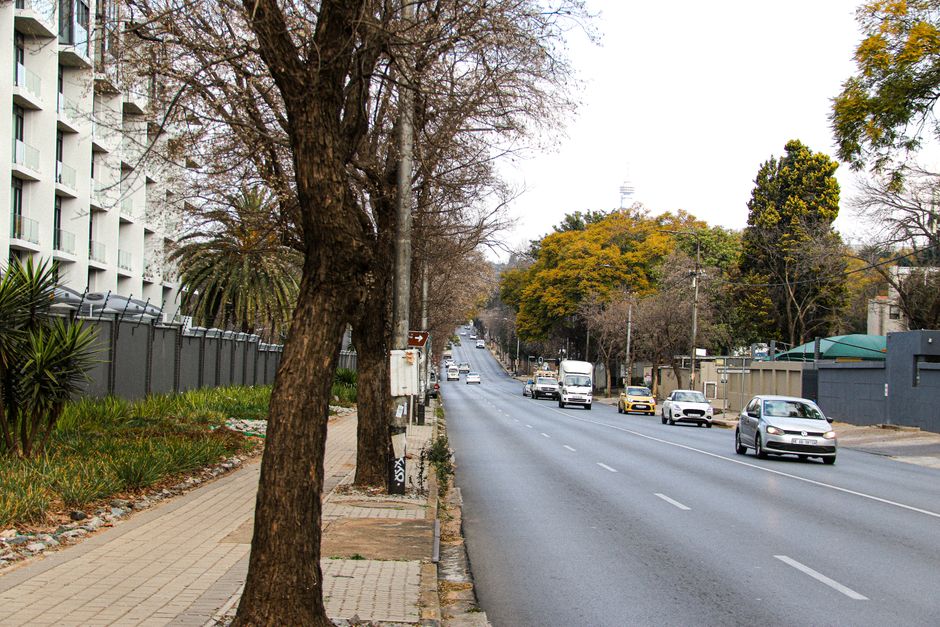
The City of Johannesburg's plan to extend its Rea Vaya bus rapid transit network at an estimated cost of R9.1 billion — roughly $500 million at current exchange rates — has collided with a wall of political opposition inside the Gauteng provincial government, with coalition partners disputing who controls procurement, which corridors get built first, and whether the project should absorb or replace the struggling Metrorail commuter rail network on overlapping routes.
The timing is not coincidental. National Treasury's Mid-Term Budget framework requires major metropolitan infrastructure commitments to be locked in before October 31, 2026, or risk losing conditional grant allocations for the 2027-28 financial year. That deadline is concentrating minds — and sharpening elbows — at the Joburg City Hall on Loveday Street in the CBD.
Two Corridors, Two Factions
At the centre of the dispute are two proposed expansion corridors. The first runs south from Park Station through Soweto to Eldorado Park, extending existing Phase 1C infrastructure. The second, backed more aggressively by DA-aligned officials in the Mayoral Committee, would push north from the Sandton Gautrain interchange along Rivonia Road toward Fourways Mall and ultimately Midrand, serving one of the highest-density private vehicle commuter belts in Gauteng.
ANC-aligned councillors argue the Soweto corridor is a social equity obligation — Pimville and Eldorado Park residents currently spend upwards of R1,200 a month cobbling together minibus taxi and Uber trips to reach work in the northern suburbs, according to a 2025 Joburg Metro mobility survey. DA officials counter that the Sandton-Fourways axis would generate sufficient farebox revenue to cross-subsidise poorer routes, pointing to the relative financial health of the Rea Vaya trunk routes that already service the Wits University precinct on Empire Road.
The Passenger Rail Agency of South Africa, PRASA, which oversees the battered Metrorail network, has written to the city warning that any BRT expansion that duplicates the existing Soweto commuter rail corridor — particularly the Naledi and Mlamlankunzi station catchment areas — without a formal integration agreement risks stranding future rail investment. PRASA's Johannesburg regional office did not respond to a request for comment by press time Thursday.
The Numbers and the Next Vote
The R9.1 billion figure includes R3.4 billion earmarked for 14 kilometres of new dedicated bus lanes, R2.2 billion for a fleet of 180 articulated buses, and the remainder for depot infrastructure and a digital fare integration system compatible with the existing Gautrain Rapid Rail Link Compass card. The city's own modelling, contained in a February 2026 integrated transport plan tabled at the Joburg Planning Committee, projects daily ridership of 340,000 passengers across both corridors by 2031 if both are built simultaneously — a figure critics from the University of Johannesburg's urban planning department have described as optimistic given current economic conditions.
The Mayoral Committee is scheduled to vote on a preferred corridor sequence at its meeting on July 22. If that vote is deferred — a real possibility given the coalition's recent record of postponing contentious items — the window to submit a binding business plan to the Gauteng Department of Roads and Transport before the Treasury deadline effectively closes.
After July 22, the sequence of decisions runs roughly like this: a preferred corridor vote triggers a 30-day public participation process under the National Land Transport Act; environmental authorisation applications to the Gauteng Department of Agriculture and Rural Development must follow within 60 days; and the conditional grant drawdown requires a signed implementation protocol between the city, PRASA, and the Gauteng provincial government — three parties who are not currently in the same room. Residents along the proposed routes, particularly homeowners near the Rivonia Road corridor who have already flagged concerns about property access during construction, can formally object during that public participation window. The July 22 vote is the hinge. Everything else waits on it.