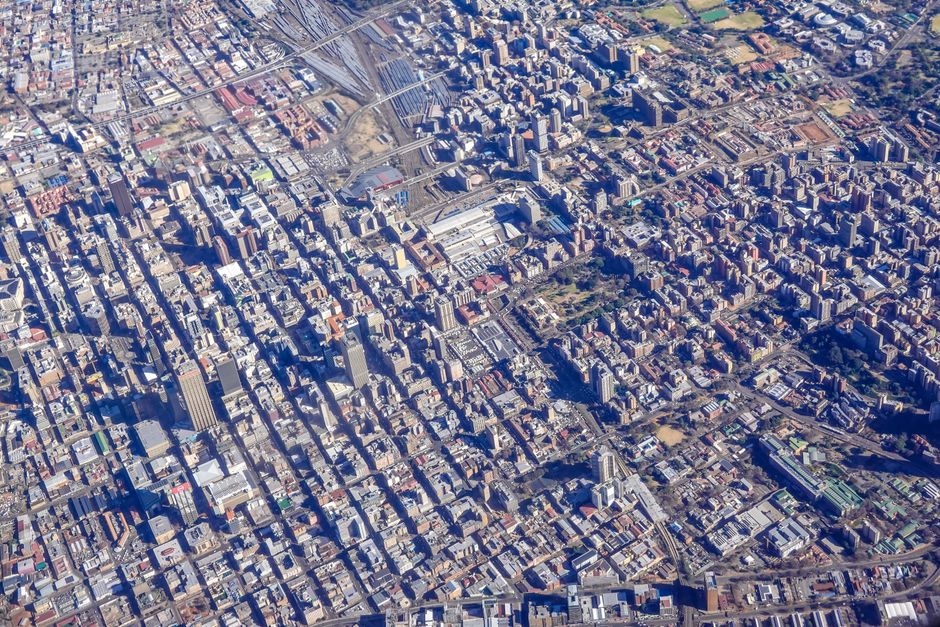
More than 890,000 undocumented migrants are estimated to be living inside Johannesburg's metropolitan boundaries, according to figures compiled by the South African Human Rights Commission in its March 2026 quarterly report — making this city home to the largest concentration of irregular migrants on the African continent. The number has climbed steadily since 2023, driven by economic collapse in Zimbabwe and recurring flood displacement in Mozambique, and city officials are now openly describing the situation as beyond the capacity of existing infrastructure.
The timing matters. Côte d'Ivoire recorded 59 flood deaths last week as extreme weather battered West Africa, and Venezuela is still identifying earthquake victims at improvised morgues. Climate-driven displacement is accelerating globally, and Johannesburg — already a transit and destination hub — sits at the receiving end of southern Africa's version of that pressure. With the ANC-DA coalition government in Gauteng entering its second year, pressure from both sides of the political arrangement to produce visible results before the 2026 municipal budget review in August is intensifying.
What Hillbrow Looks Like on the Ground
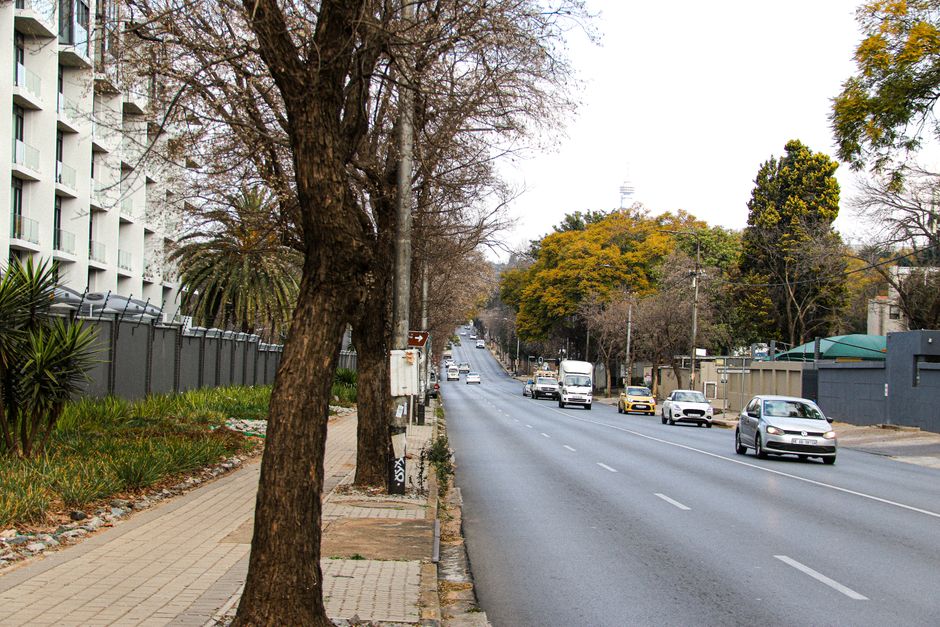
Walk down Pretoria Street in Hillbrow on any weekday morning and the scale of informal settlement inside formal buildings becomes immediately apparent. Buildings that the city red-listed as unsafe under the Bad Buildings Programme — a City of Joburg initiative that has earmarked 62 properties for remediation since 2019 — are occupied floor by floor, with residents paying R800 to R1,500 a month to building hijackers who collect cash and offer no receipts. The Central Methodist Mission on Greenmarket Square in Cape Town pioneered a rough urban sanctuary model, but in Johannesburg, the Jesuit Refugee Service's offices on Claim Street in Braamfontein handle daily registration queues that regularly exceed 400 people before 9 a.m.
The contrast with peer cities is not flattering. Istanbul absorbed more than 3.5 million Syrian refugees between 2013 and 2020 by deploying a municipally coordinated Temporary Protection Identification system, which gave migrants a legal status that unlocked access to schools and clinics. Nairobi embedded the Urban Refugee Programme inside its ward administration structure from 2018, meaning local councillors had direct accountability for service delivery to non-citizen residents. Johannesburg has no equivalent of either mechanism. The city's Migration and Displacement Policy Framework, drafted in 2021, has never been formally adopted by the mayoral committee.
The Numbers Behind the Strain
Charlotte Maxeke Johannesburg Academic Hospital in Parktown recorded a 34 percent increase in emergency presentations from patients with no South African identity documentation between January and May 2026, according to Gauteng Department of Health operational data seen by The Daily Johannesburg. The Joburg Metrorail Doornfontein station, a key node for migrants traveling between the CBD and the East Rand, processes an estimated 11,000 informal commuters daily — most without valid Prasa tickets — costing the utility roughly R2.3 million a month in unrecovered fare revenue by internal estimates.
At the Alexandra township border with Sandton's financial district, less than four kilometres separates some of the country's highest commercial real estate values from streets where Zimbabwean and Mozambican arrivals sleep in shifts inside corrugated iron rooms shared by eight. The Ekurhuleni municipality to the east has begun enforcing stricter informal settlement removal orders since April, pushing more new arrivals westward into Johannesburg's jurisdiction.
City officials at the Metropolitan Centre on Loveday Street in the CBD say a revised displacement response plan is being drafted for presentation to the mayoral committee before September. Whether it arrives before another Hillbrow building fire or another round of xenophobic street violence — both of which flared in May — is an open question that residents in affected neighbourhoods are not waiting on politely. Community organisations including the Socio-Economic Rights Institute have already submitted a formal complaint to the South African Human Rights Commission, citing the city's failure to implement even the unadopted 2021 framework. The next commission hearing is scheduled for 22 July.