The Numbers Don't Lie: Johannesburg's Violent Crime Crisis, By the Data
New police statistics reveal a city where armed robberies have climbed 18% in a single year and residents in neighbourhoods from Hillbrow to Roodepoort are demanding answers.
New police statistics reveal a city where armed robberies have climbed 18% in a single year and residents in neighbourhoods from Hillbrow to Roodepoort are demanding answers.
Johannesburg recorded 4,312 contact crimes in the first quarter of 2026, according to figures released by the South African Police Service in its latest quarterly crime report — a number that has galvanised community groups, ward councillors and business associations across the city into what many are calling an unprecedented pressure campaign on local government.
The timing is pointed. The ANC-DA coalition running Gauteng province has made public safety a centrepiece of its governing agreement since the arrangement was formalised in 2024, and the crime data now sits as an uncomfortable measure of whether that partnership is delivering. Armed robbery in Johannesburg metropolitan area rose 18% year-on-year between April 2025 and March 2026. Carjackings climbed to 1,847 incidents over the same period — roughly 154 a month, or five every single day.
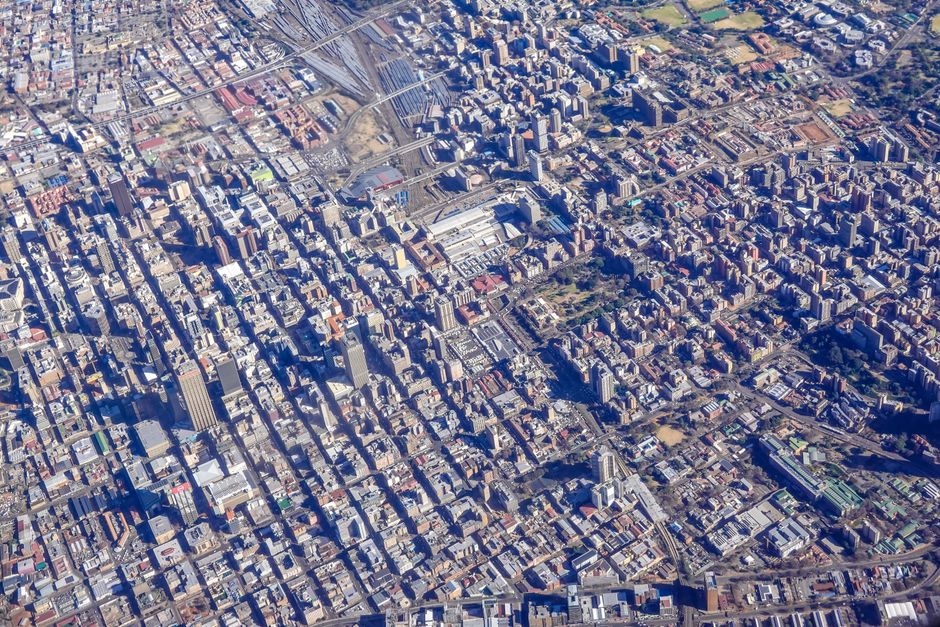
The SAPS breakdown points to a handful of precincts carrying the heaviest load. Hillbrow police station, which covers one of the densest residential corridors in sub-Saharan Africa, logged 312 assault cases in Q1 2026 alone. Roodepoort, on the city's western edge, saw aggravated robbery figures jump 23% compared to the same quarter in 2025. Even Sandton, the financial district whose gleaming towers on Rivonia Road project an image of insulation from street crime, recorded a 14% increase in business robbery.
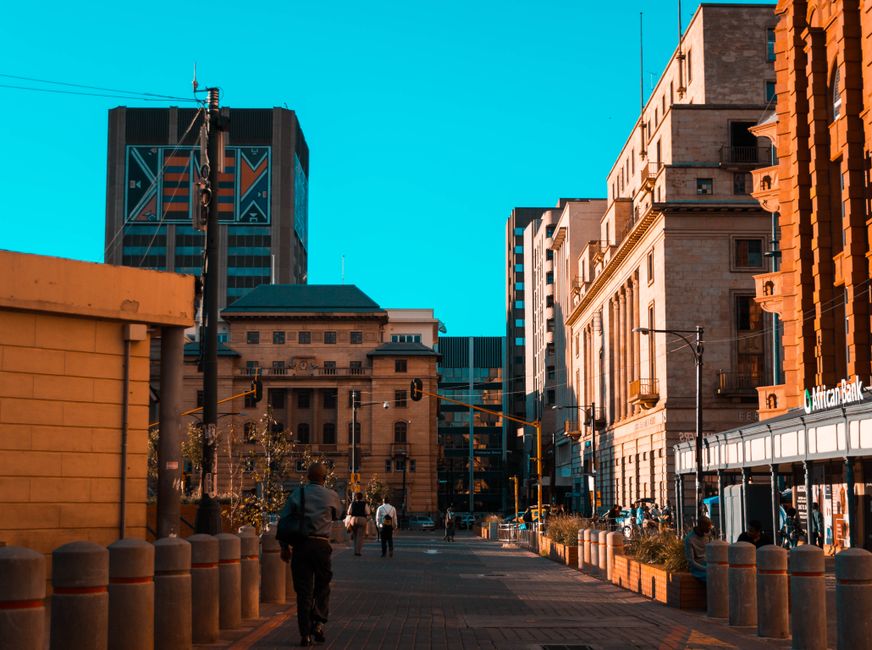
Community policing forums in Alexandra have been meeting weekly since May, following a spate of armed attacks along London Road and in the area surrounding Pan Africa Mall. The Johannesburg Inner City Partnership, a business improvement district body operating in the CBD, deployed an additional 45 private security personnel to the stretch between Noord Street taxi rank and Gandhi Square in June after merchants reported losing customers who feared walking the route after dark.
Soweto's Orlando East neighbourhood, which residents and tourism operators have been carefully building into a heritage and cultural economy destination — home to the Hector Pieterson Memorial and Vilakazi Street's growing restaurant trade — has seen muggings targeting visitors rise sharply. Tour operators working out of the area say at least three of their clients were robbed near Mooki Street in the six weeks between mid-May and late June.
Resources are a persistent complaint. Johannesburg has 131 SAPS stations serving roughly 6 million people, a ratio that policing analysts at the Institute for Security Studies in Pretoria have flagged as chronically stretched. The national target is one police officer per 340 civilians; across Johannesburg's most overcrowded precincts, the actual ratio runs closer to one per 580.
The City of Johannesburg's Expanded Public Safety Programme, launched under the coalition budget in February 2026 with a R420 million allocation, was supposed to fund additional metro police patrols and improved CCTV monitoring across 22 high-risk nodes. Halfway through the financial year, ward councillors in Ennerdale and Eldorado Park say equipment installations are running at least six weeks behind schedule.
Average police response times in Johannesburg have also become a flashpoint. Community forums in Soweto and Johannesburg South cite an average response time of 47 minutes for priority-one calls — nearly triple the SAPS's own internal benchmark of 17 minutes for life-threatening emergencies.
For residents bracing for the months ahead, practical action is filling the gap. Neighbourhood Watch structures in areas like Norwood and Melville have consolidated patrol rosters and registered with the City's Community Safety Directorate on Loveday Street, which provides liability cover and coordination with metro police. Business owners in the Rosebank retail precinct near Oxford Road are pooling funds to extend camera networks. The Gauteng Community Safety MEC is expected to present a revised deployment plan to the provincial legislature by 31 July — a deadline that community groups say they will hold loudly to account.
How does this story make you feel?
Spread the word
About this article
Published by The Daily Johannesburg
Daily brief
Free, in your inbox before 7am. Weekdays.
More in News