Joburg's 700,000-Unit Housing Gap: What Happened This Week
A crunch budget meeting and fresh protest action put the city's decade-long housing crisis back at the top of the agenda.
A crunch budget meeting and fresh protest action put the city's decade-long housing crisis back at the top of the agenda.
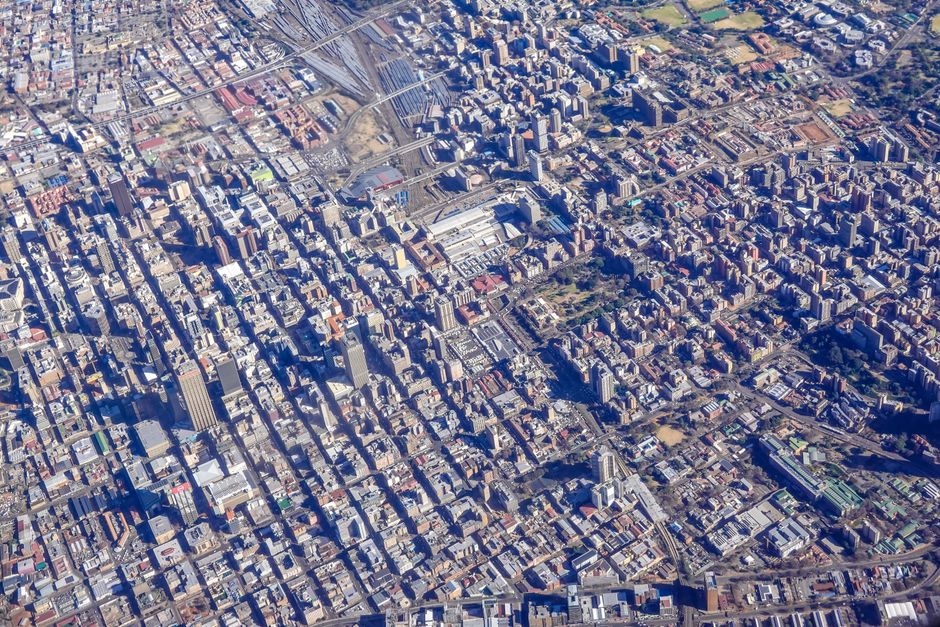
Johannesburg's housing backlog hit a formal figure of 700,000 units this week after the City of Johannesburg's Human Settlements directorate tabled its mid-year progress report on Wednesday, confirming what community organisations in Soweto and Alexandra have been saying for years: the gap between need and delivery has barely moved since 2019. The number, presented to the Mayoral Committee on July 2, covers both fully subsidised RDP-style units and affordable rental stock across the city's seven administrative regions.
The timing matters. The ANC-DA coalition in Gauteng is preparing its provincial budget adjustment for the third quarter, and housing infrastructure is one of three line items where the two parties are still negotiating allocations. With an election cycle approaching and informal settlement fires in Kliptown destroying roughly 340 structures in the past six months alone, there is sharper political pressure than at any point since the coalition was formalised in 2024 to show tangible output before year-end.
Alexandra Township, hemmed in by Sandton's financial district to the west, concentrates some of the most severe overcrowding. The Alex Renewal Project, a programme that has been running in various forms since 2001, has delivered fewer than 12,000 units against a township population now estimated at 180,000 people packed into roughly 800 hectares. Community housing committees in the Far East Bank section of Alexandra confirmed this week that they submitted a memorandum to Region E offices on Noord Street demanding an audit of stalled projects, some of which have had foundations poured for more than three years without further construction.
In Kliptown, on the southwestern edge of Soweto, residents near Walter Sisulu Square staged a sit-in on Tuesday at the local ward office on Kliptown Main Road. Organisers from the Kliptown Youth Program, which has operated in the area since 2003, said at least 1,200 families on the city's Housing Waiting List in Ward 12 have been registered since before 2015 without receiving an allocation. The protest was dispersed peacefully by Johannesburg Metro Police Department officers by midday.
The city's own figures show that between January and June 2026, just 2,140 subsidised units were completed across all regions — a delivery rate that, if held constant, would take roughly 327 years to clear the current backlog. The National Housing Finance Corporation's affordable rental programme, which targets households earning between R3,500 and R22,000 a month, approved 18 new projects in Gauteng this year, but only four are within the City of Johannesburg boundary, two of them in Roodepoort and one each in Devland and Turffontein.
Land costs are a compounding factor. Serviced land in areas close to economic nodes — Wynberg on the eastern edge of Sandton, or Robertsham near the N1 southern corridor — is trading at between R800 and R1,200 per square metre, putting even subsidised development economics under severe strain. The city's property management unit acknowledged in its report that 14 parcels of municipally owned land earmarked for social housing since 2022 remain undeveloped due to legal disputes and bulk infrastructure deficits.
Migration is adding pressure that planning cycles have not absorbed. An estimated 45,000 Zimbabwean and Mozambican nationals settled in Johannesburg last year, according to the South African Human Rights Commission's Gauteng office, many joining existing family units in Hillbrow, Berea and parts of the inner city that already run at three to four times their designed occupancy.
The Mayoral Committee is expected to return a formal response to the Human Settlements report by July 18. Housing advocacy groups, including the Community Organisation Resource Centre which operates a Johannesburg office in Braamfontein, are calling for an emergency land release programme covering at least 500 hectares of city-owned land before the end of the third quarter. Residents on the waiting list should check their status through the City of Johannesburg's online Housing Demand Database portal, or in person at the Region F offices on Beyers Naudé Drive in Northcliff — the directorate extended walk-in hours to 6pm on weekdays following Tuesday's protests.
How does this story make you feel?
Spread the word
About this article
Published by The Daily Johannesburg
Daily brief
Free, in your inbox before 7am. Weekdays.
More in News