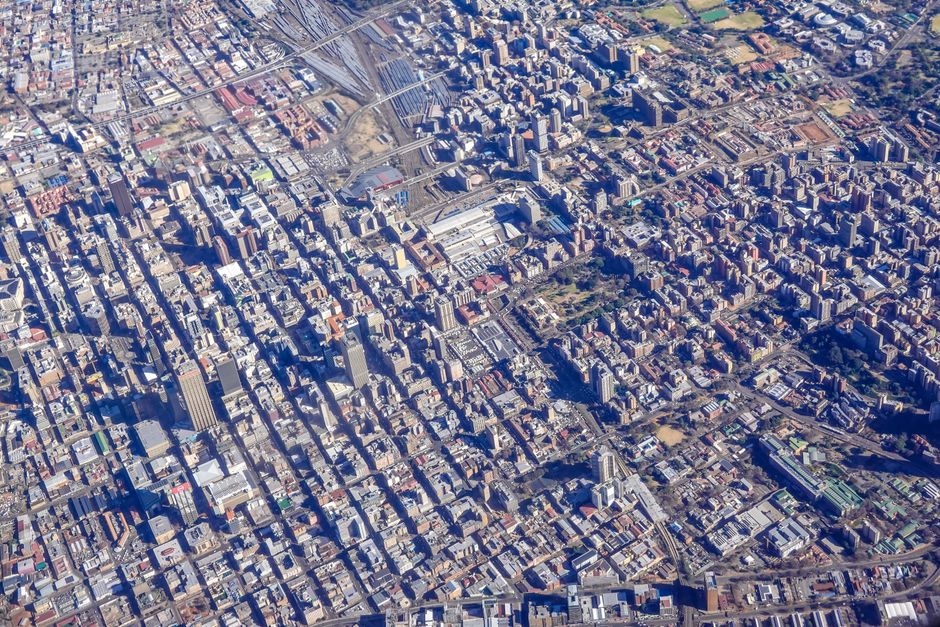
More than 890,000 foreign nationals now live in the greater Johannesburg metropolitan area, according to figures compiled by the African Centre for Migration and Society at Wits University — and that number keeps climbing, even as anti-migrant violence has surged through inner-city neighbourhoods over the past eighteen months. The data punctures a simple narrative: fear alone is not pushing people out.
The timing matters. West Africa is dealing with catastrophic flooding — Côte d'Ivoire recorded 59 deaths from torrential rains just last week — and political instability continues to drive displacement across the continent. Russia's war has scrambled global grain and fuel prices, which hit import-dependent southern African economies hard. Zimbabweans, still navigating a currency in near-permanent freefall, and Mozambicans fleeing Cabo Delgado's insurgency have few destinations that offer the wages Johannesburg can. The city, whatever its dangers, remains the economic anchor of sub-Saharan Africa.
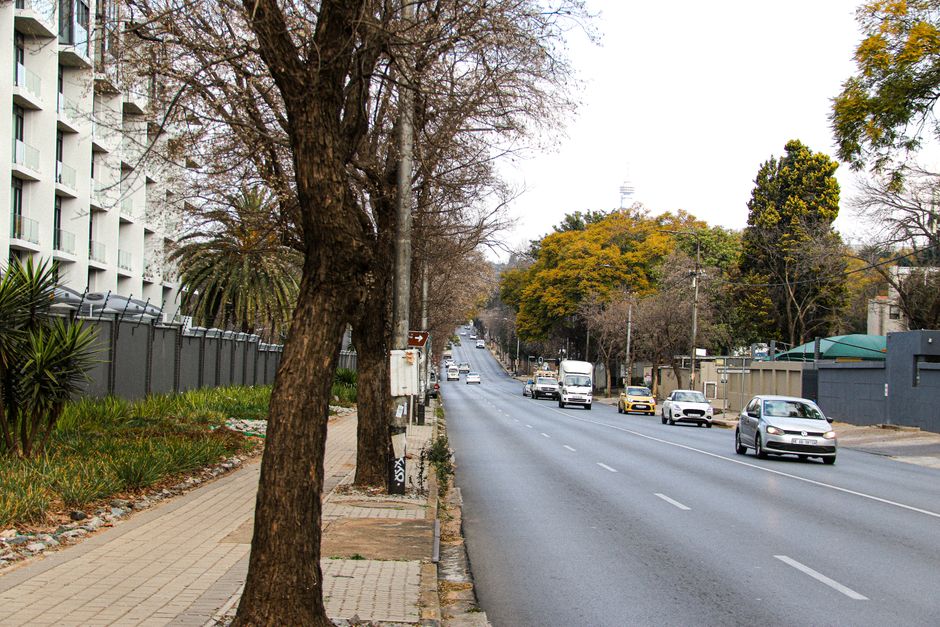
On Jeppe Street in the Johannesburg CBD, Zimbabwean traders have operated market stalls for years. Many say they watched the 2024 anti-migrant sweeps in Rosettenville and Turffontein and still did not pack up. The African Diaspora Forum, headquartered in Braamfontein, documented 214 separate xenophobic incidents across Gauteng in the first half of 2026 — a 34 percent increase on the same period in 2025. Joburg's Lindela Repatriation Centre processed roughly 4,800 deportations between January and May this year. Yet the foreign-born population figure keeps rising faster than deportations can reduce it.
The Economic Pull No Policy Has Managed to Break
The arithmetic is straightforward. The South African rand, trading at approximately R19.40 to the US dollar as of this week, is weak — but a street vendor in Hillbrow earning R6,000 a month can still remit more purchasing power back to Harare or Maputo than most local wages in those cities can provide. Statistics South Africa's 2025 community survey estimated that Zimbabweans alone remit close to R4.2 billion annually through informal channels. That figure has likely grown. Cutting those remittances off would require migrants to find a comparable alternative. There is none.
The Gauteng provincial government, operating under the ANC-DA coalition that took shape after the 2024 elections, has not produced a coherent migrant management strategy despite repeated calls from civil society groups. The Department of Home Affairs has a backlog of more than 320,000 unprocessed asylum and permit applications nationally. Many of the people inside that backlog live in places like Alexandra township or the high-rises along Berea Road, technically undocumented, practically permanent.
What the Pressure Points Look Like Going Forward
Community tensions tend to spike around competition for RDP housing allocations and informal trading licences. The City of Johannesburg's Expanded Public Works Programme enrolled about 18,000 beneficiaries in the first quarter of 2026 — of those, officials say fewer than 3 percent were foreign nationals, though enforcement of that boundary is patchy at best. That gap between perception and reality fuels grievances that opportunistic politicians have exploited ahead of the 2026 local government by-elections in wards across the East Rand.
Advocacy organisations, including the Consortium for Refugees and Migrants in South Africa, are pushing for a humanitarian permit category that would regularise long-term residents and reduce the legal limbo that makes migrants both vulnerable and untaxable. Whether the Home Affairs department acts before the next wave of violence is another question entirely — but the data suggests Johannesburg cannot deport or intimidate its way to a smaller migrant population. The city's growth and its foreign-born residents are, by the numbers, inseparable.