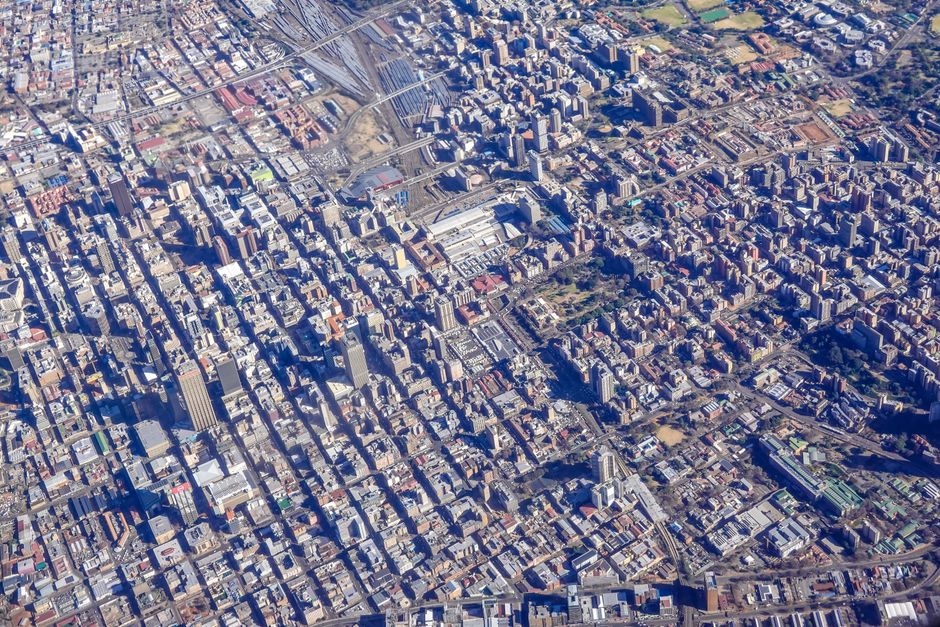
Johannesburg generated roughly 34 percent of its municipal electricity from renewable sources in the first quarter of 2026, according to figures released this week by the City of Johannesburg's Environment and Infrastructure Services Department — a number that marks real progress but still falls short of the 50 percent target the city set for itself by 2025. The shortfall is politically awkward for the ANC-DA coalition running Gauteng, which has staked considerable credibility on the green transition as a signal of functional governance.
The timing matters. Europe is burying more than 2,000 excess heat deaths from its latest heatwave, Venezuela is counting earthquake victims in makeshift morgues, and global attention to climate resilience is peaking. For Johannesburg, a city of roughly 6 million people sitting on the Highveld at 1,750 metres above sea level, the question is not abstract. July is technically winter here, but urban heat island effects in Sandton and the inner city mean summer temperatures have been running 2.3 degrees Celsius above the 1990 baseline, per South African Weather Service data published in May.
Where Joburg Stands Against Its Peers
The city's Environmental Planning and Climate Protection unit benchmarked Johannesburg against seven comparable cities — those with populations between 4 and 8 million, significant informal settlement footprints, and economies in transition. Nairobi edged ahead on waste diversion rates, recovering about 22 percent of solid waste from landfill through its Dandora materials recovery programme, compared with Joburg's 14 percent recovery rate despite the Pikitup utility operating 11 satellite drop-off points across the metro, including facilities in Soweto's Dobsonville and in Roodepoort. Lagos, by contrast, diverts less than 9 percent, making Johannesburg's numbers look better in that particular comparison.
On solar adoption, Joburg is moving faster than most. The City's Solar City programme, launched formally in March 2024 and now covering roughly 4,200 residential rooftop installations, has concentrated activity in Midrand and parts of Randburg. The R4,800 average rebate per installation is drawing take-up from middle-income households, though residents in Soweto and Alexandra — where roof ownership and landlord consent complicate the picture — are largely excluded from the scheme as it currently operates.
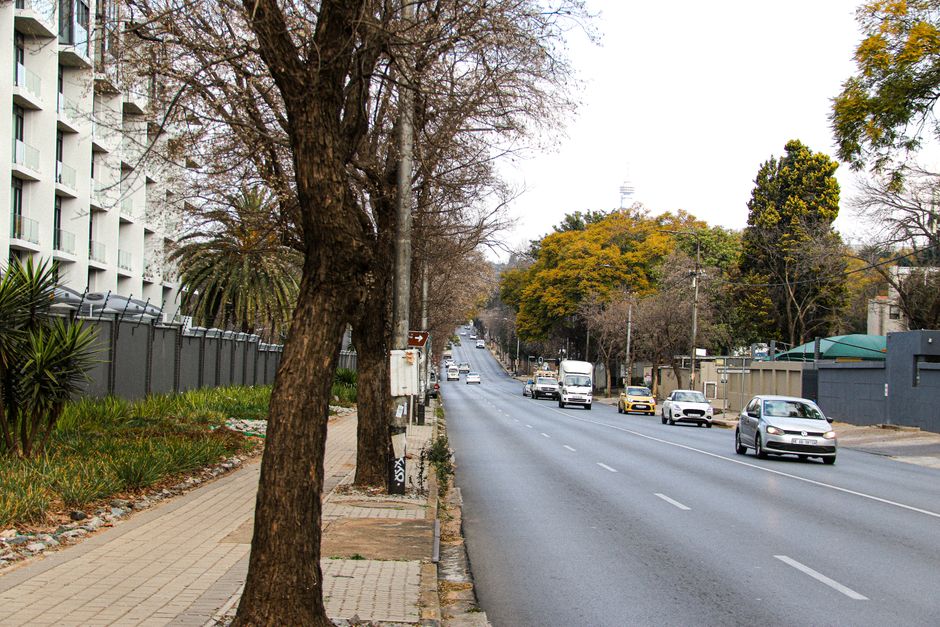
Air quality is the sharpest failing. Nitrogen dioxide readings near the M1 highway corridor between Berea and Houghton routinely breach the South African National Ambient Air Quality Standard of 200 micrograms per cubic metre during peak morning traffic. São Paulo, a city often compared to Joburg because of its economic scale, informal housing pressures, and sprawling freeway network, has managed to cut equivalent readings by 18 percent since 2020 through a combination of congestion pricing on its Marginais expressways and accelerated retirement of pre-2010 diesel vehicles. Johannesburg has no comparable pricing mechanism in place.
What the Coalition Is — and Isn't — Doing
The Joburg Metrorail reform programme, which the coalition has tied to sustainability goals by promising to shift commuters off roads, is still moving slowly. Prasa's Central Line serving routes through Park Station to Soweto recorded just 61,000 daily passenger trips in June 2026, against a pre-2019 high of over 200,000. Until rail is genuinely functional, the city's transport emissions projections remain largely theoretical.
The city's Climate Action Plan, adopted in 2021 and currently under its second review, is expected to produce a revised targets document by September 2026. Environmental advocacy group Project 90 by 2030, which has tracked Joburg's green commitments for over a decade from its offices in Braamfontein, says the September review will be the most consequential policy moment in years — particularly on whether the city finally introduces binding emissions standards for new commercial developments in the Sandton CBD, where glass-tower construction has continued without meaningful energy performance requirements.
For residents, the most immediate actions sit at ward level. The city's expanded Green Neighbourhoods Initiative is accepting applications from civic associations until 31 July 2026 for co-funded composting infrastructure and stormwater rehabilitation projects. Forms are available at all eleven Joburg Customer Service Centres, including the busy branch on Loveday Street in the CBD. That's a narrow window, but it's the clearest on-ramp ordinary Joburgers have right now into a process that, on current data, the city has not yet figured out how to win.