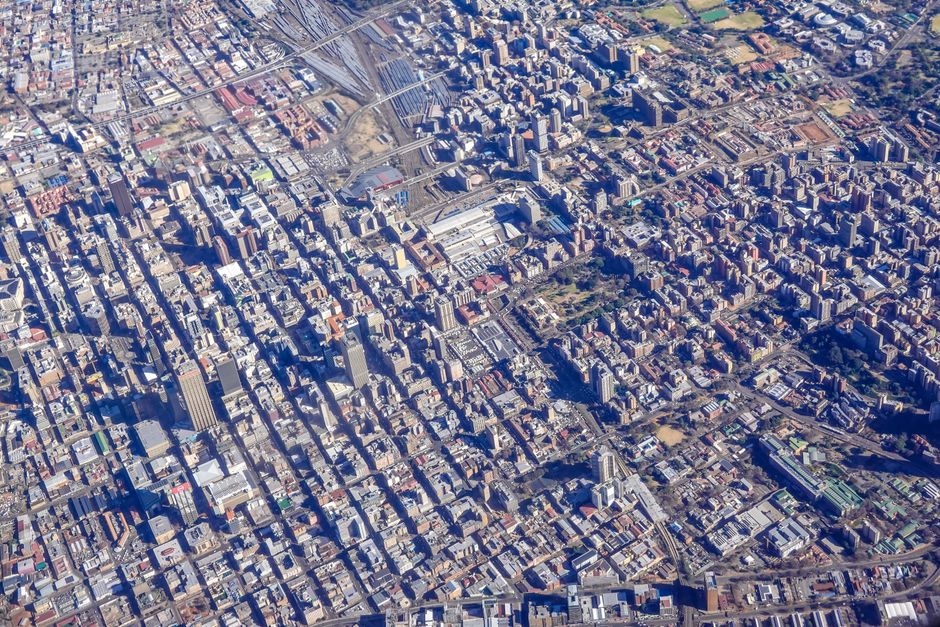
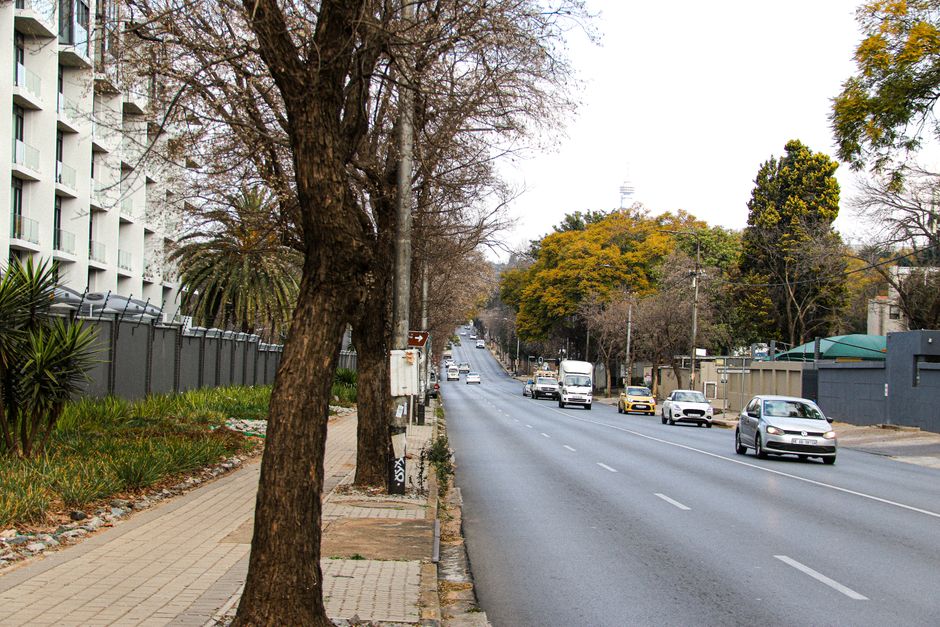
The City of Johannesburg confirmed this week that its housing backlog has reached at least 700,000 units, a figure that municipal officials presented at a Wednesday sitting of the Mayoral Committee in Braamfontein. The number, drawn from a new housing demand audit finalised in June 2026 by the Johannesburg Social Housing Regulatory Entity, is the highest recorded since the city began systematic tracking in 2009. For the ANC-DA coalition running Gauteng, it lands at the worst possible moment.
The timing matters because the provincial government faces a 15 July deadline to submit its revised Human Settlements Delivery Plan to national Treasury — a condition attached to a R4.2 billion conditional grant for the 2026/27 financial year. Miss the deadline, city planners warn, and Johannesburg risks losing the first tranche of roughly R1.1 billion that was earmarked specifically for greenfield development in Soweto and the southern corridor. Officials inside the Human Settlements department, speaking without authorisation to discuss the committee's internal deliberations, say the coalition partners have not agreed on the land allocation framework underpinning the plan.
On the Ground: Where the Pressure Is Most Acute
Alexandra township in the northeast remains the flashpoint. The Alex Renewal Project, launched in 2001 and still incomplete 25 years later, has an active waiting list of over 38,000 households, according to documents tabled at Wednesday's meeting. The informal settlement at Tsutsumani, wedged between Wattville Road and the Jukskei River, recorded 412 new structures since January alone — a rate that outpaces the city's current capacity to service land by roughly four to one.
In the south, Kliptown's Walter Sisulu Square precinct sits at the centre of a dispute between the Johannesburg Property Company and private developers over a stalled mixed-income housing scheme that was supposed to deliver 1,800 units by December 2025. That deadline passed without a single unit transferred. The Johannesburg Housing Company, which manages roughly 14,500 social housing units across the city, says its waiting list has grown by 22 percent since January 2025, and its Berea and Doornfontein buildings are operating at 103 percent occupancy after subletting was counted in the audit.
Nationally, the Human Settlements backlog is officially pegged at 3.7 million units, but the Gauteng figure is disproportionate. The province accounts for just under a third of the national shortfall despite holding roughly 26 percent of the population. Rental in Johannesburg's lower-income belt has climbed sharply: a single room in Hillbrow averages R2,400 a month in mid-2026, up from R1,750 eighteen months ago, according to the Affordable Land and Housing Data Centre's Q2 2026 index. That price pressure is compounding migration from Zimbabwe and Mozambique, with the Johannesburg Metro Police Department recording a 31 percent rise in eviction-related callouts in Yeoville and Bertrams in the first half of this year.
What Comes Next — and What to Watch
The immediate test is the 15 July Treasury submission. If the ANC and DA factions inside the Gauteng coalition can agree on which parcels of publicly owned land near Eldorado Park and Lawley — both in the southern corridor — qualify for fast-tracked release, the plan goes forward. If not, the city enters a 30-day remediation period that effectively freezes new project approvals.
Separately, the Johannesburg Development Agency is due to publish a feasibility report on a transit-oriented development node along the Rea Vaya BRT corridor between Soweto Highway and Nasrec Road. That report, expected before the end of July, could unlock land for up to 12,000 units if the agency recommends a density uplift. Planners in the city's Group Strategy office have described it internally as the most significant land-use decision since the 2013 Corridors of Freedom framework.
Residents on the Alexandra waiting list and civil society groups including Planact and the Inner City Resource Centre have called for a public hearing before any land decisions are finalised. Planact has written to the Speaker's office requesting a sitting before 10 July. The Speaker's office had not responded to that letter by the time of publication.