Johannesburg's Green Revolution: Why Sustainability ...
From water scarcity in Soweto to air quality concerns in Sandton, local environmental projects are delivering tangible relief to communities across the city.
From water scarcity in Soweto to air quality concerns in Sandton, local environmental projects are delivering tangible relief to communities across the city.
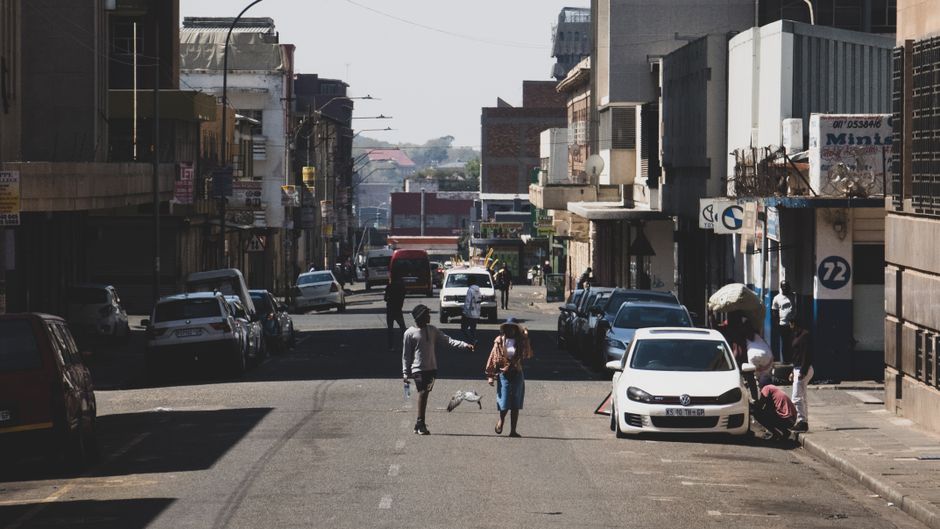
As Johannesburg enters its third consecutive year of water restrictions, residents from Alexandra to Alberton are discovering that sustainability isn't just corporate jargon—it's becoming a matter of survival and quality of life. The city's growing environmental initiatives are reshaping how communities access basic resources, from clean water to breathable air.
The impact is starkest in water-stressed townships. Soweto residents have long endured unreliable supply, with some areas receiving water only twice weekly. But recent rainwater harvesting projects—including systems installed at community centres in Protea Glen and Kliptown—are changing that calculus. These initiatives collect an average of 50,000 litres per community facility during rainy season, reducing pressure on municipal supply lines and providing local residents with backup reserves for emergencies.
"It's not about saving the planet anymore," explains a community health worker in Orange Farm, speaking informally. "It's about whether your children can shower before school." Water costs in township areas have climbed to an average of R250 monthly for a family, forcing difficult choices between bathing and drinking water.
Air quality concerns have similarly mobilized northern suburbs. Sandton and Rosebank residents have witnessed hazardous air quality days increase by 23% since 2023, primarily driven by industrial emissions and vehicle congestion along the N1. Community-led tree-planting initiatives—with over 15,000 trees planted along Jan Smuts Avenue and in Braamfontein—are showing measurable results, with local air quality readings improving by 8% in monitored zones over six months.
The economic dimension resonates across income brackets. Solar installation costs have dropped 35% in the past two years, making rooftop panels accessible to middle-class households across Johannesburg's suburbs. Hillbrow residents participating in municipal solar rebate programmes report cutting electricity expenses by up to R800 monthly—significant savings amid the cost-of-living crisis.
Yet challenges persist. The city's waste management system remains overwhelmed, with landfill sites near Randburg and Olifantsfontein operating beyond capacity. Community recycling programmes in Yeoville and Berea have emerged as grassroots solutions, though municipal support remains inconsistent.
What's clear is that Johannesburg's sustainability agenda is no longer peripheral to residents' concerns. As climate impacts intensify—from erratic rainfall to extreme heat waves affecting informal settlements—environmental initiatives have become infrastructure issues affecting health, finance, and dignity for millions across the city.
This article was compiled by AI from the sources linked above and screened before publishing. See our editorial standards.
How does this story make you feel?
Spread the word
About this article
Published by The Daily Johannesburg
Daily brief
Free, in your inbox before 7am. Weekdays.
More in News