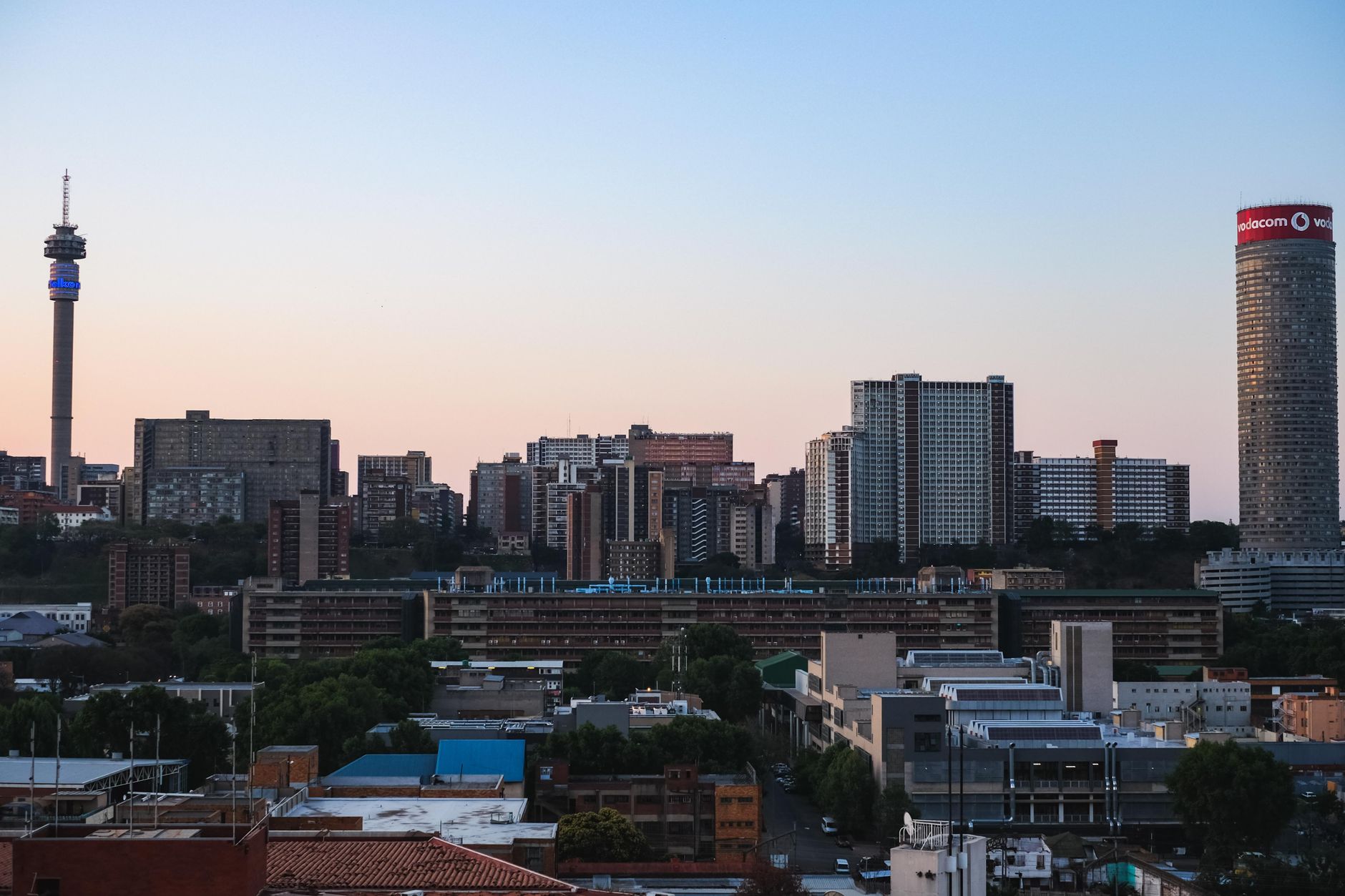
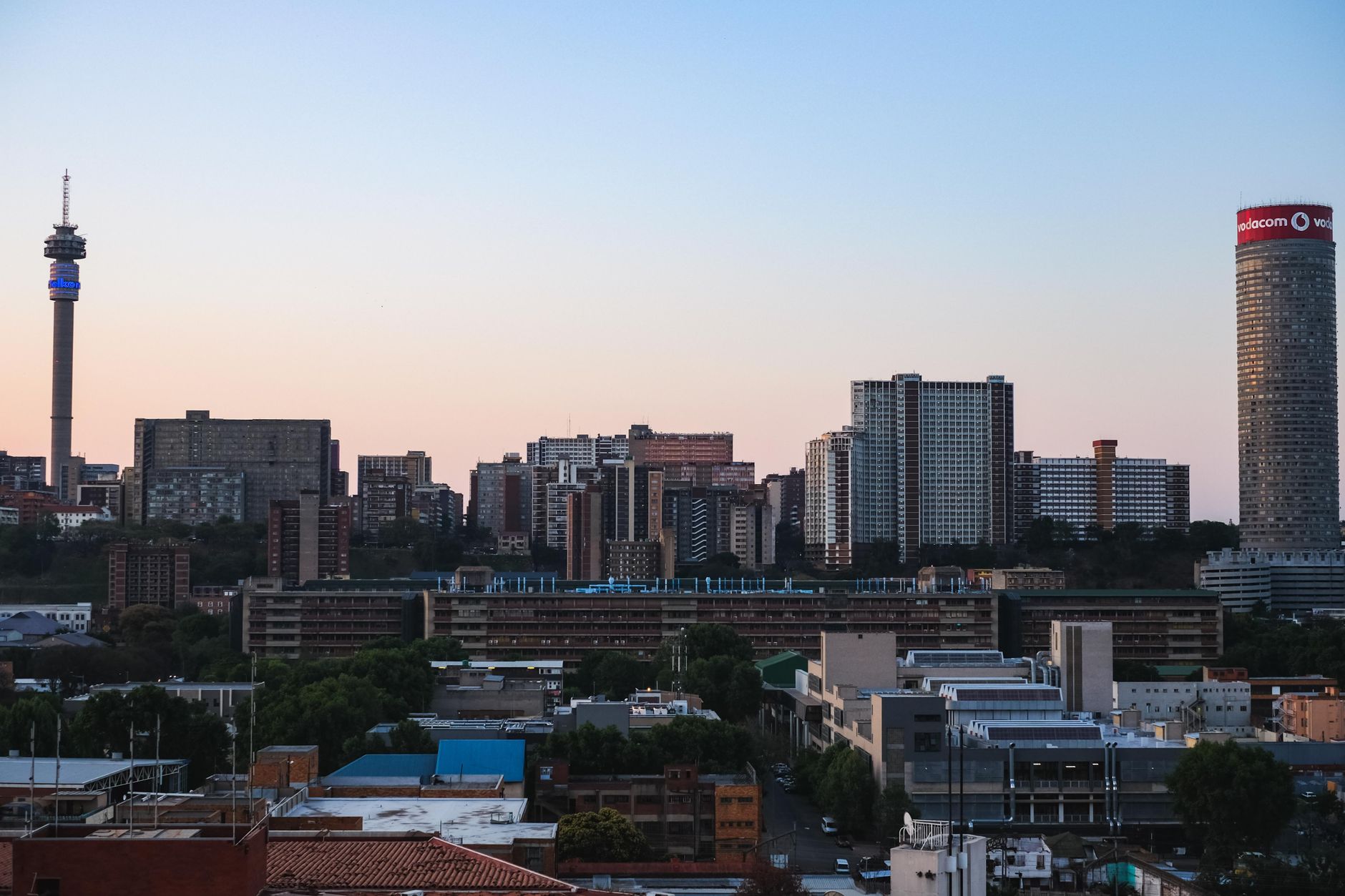
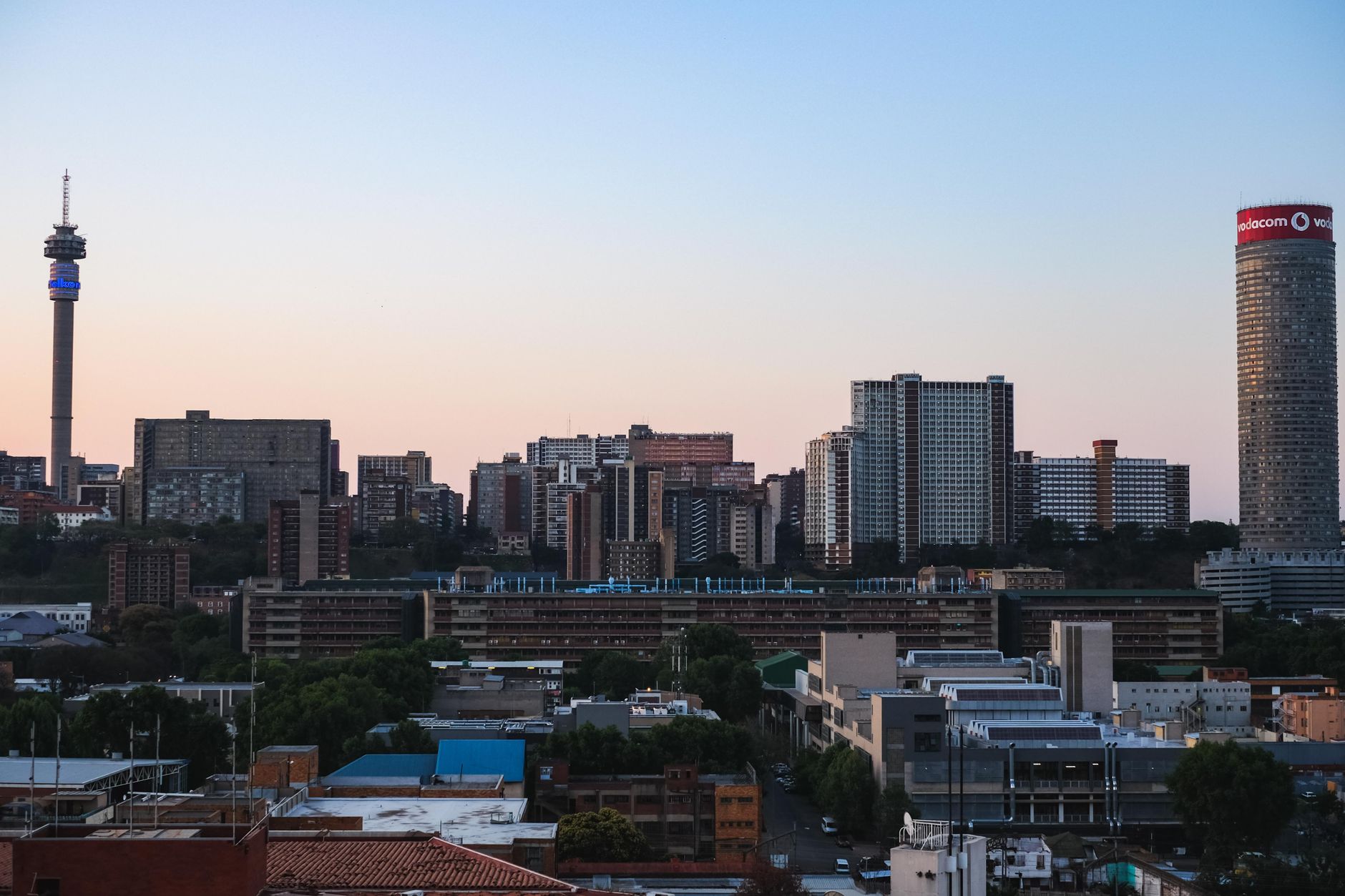
Johannesburg's emergency services are facing a defining moment. As mid-year crime statistics reveal troubling patterns across the metropolitan area, police leadership and municipal authorities must now decide whether to maintain current response tactics or pivot toward strategies that have shown promise in other parts of the country.
The pressure points are unmistakable. Violent robbery incidents along the M1 corridor between Sandton and the CBD have climbed sharply, while townships including Alexandra and Soweto continue to grapple with gang-related violence that overwhelms existing response capacity. The Johannesburg Metro Police Department's visible foot patrols, once a fixture in high-crime areas, have become increasingly sporadic due to staffing constraints and budget limitations.
"The key question facing us now is whether we continue reactive policing or invest in prevention," said one senior emergency services official, speaking on condition of anonymity. This tension reflects a broader struggle: the city's police force remains underfunded relative to geographic coverage needs, while community safety initiatives struggle to gain traction without sustained municipal support.
Several critical decisions loom. First, the allocation of resources within the JMPD's 2026-27 budget cycle—currently under review—will determine whether stations in Brixton, Turffontein, and other high-incident precincts receive additional personnel or technological upgrades. Second, the adoption of neighbourhood watch coordination frameworks in areas like Parkhurst and Rosebank could establish a template for broader implementation, though success depends on inter-agency cooperation that has often faltered.
Community policing experiments in specific zones, particularly around the Johannesburg Central Business District and retail nodes like Melrose Arch, present another fork in the road. Early data suggests visible, foot-based policing reduces opportunistic crime, yet scaling this approach requires budget decisions not yet made.
The third major decision concerns emergency response integration. Fire and Rescue services and JMPD currently operate with limited real-time coordination. Piloting joint response protocols in Alexandra and Soweto could improve reaction times to violent incidents, but requires training investment and inter-departmental alignment that municipal leadership has delayed.
As residents increasingly invest in private security and gated communities, the pressure on public systems intensifies. Without clear decisions on resource deployment, community partnerships, and strategic focus areas by August, the trajectory toward fragmented, privatised safety becomes steeper—leaving vulnerable communities further behind.
The window for decisive action remains open, but it is closing. July and August will reveal whether Johannesburg's leadership can chart a coherent path forward.
This article was compiled by AI from the sources linked above and screened before publishing. See our editorial standards.