As housing crisis deepens, how Johannesburg's urban ...
While cities like Vienna and Singapore chart ambitious housing strategies, Johannesburg grapples with sprawl, inequality, and the legacy of apartheid spatial planning.
While cities like Vienna and Singapore chart ambitious housing strategies, Johannesburg grapples with sprawl, inequality, and the legacy of apartheid spatial planning.
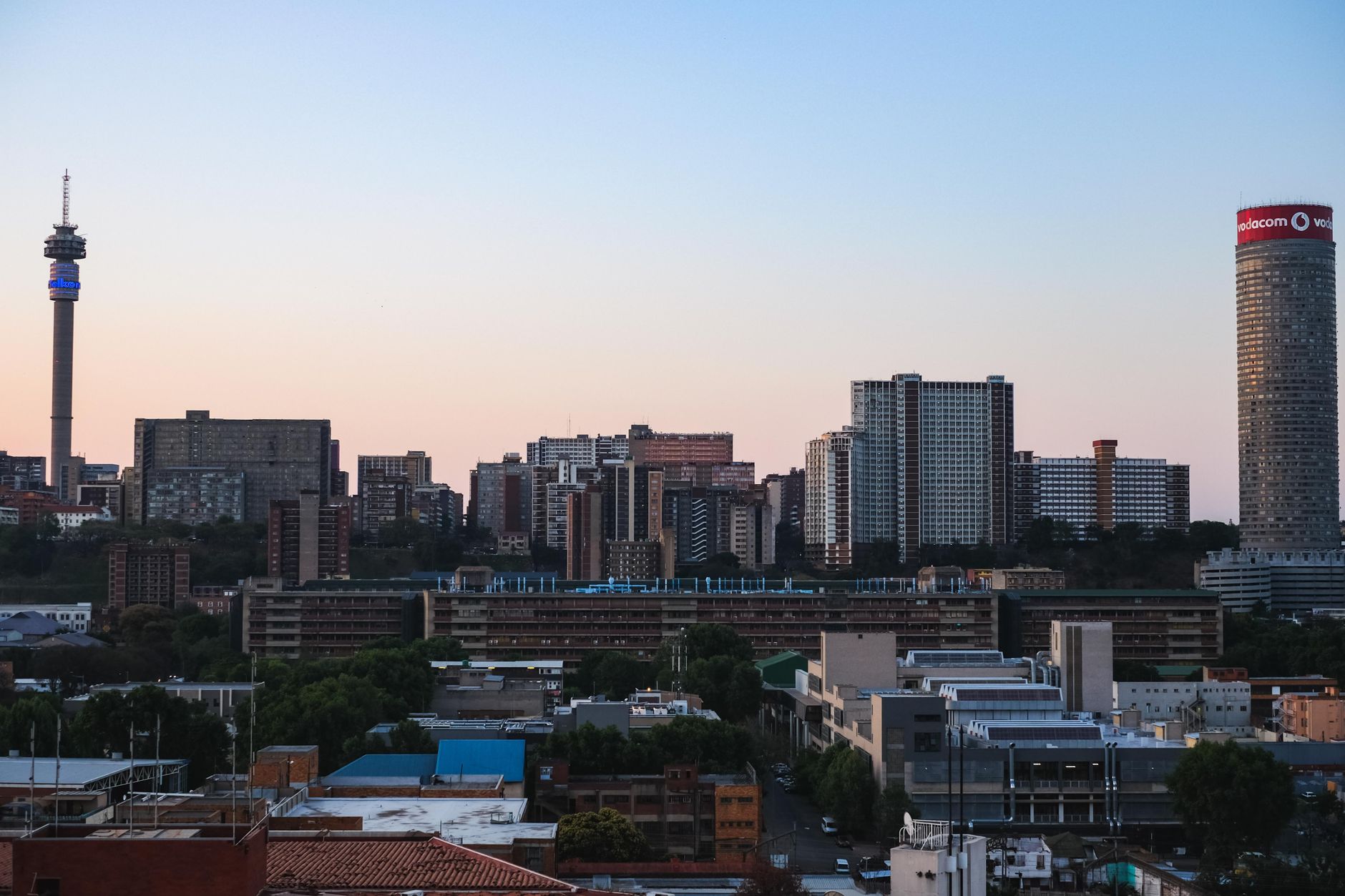
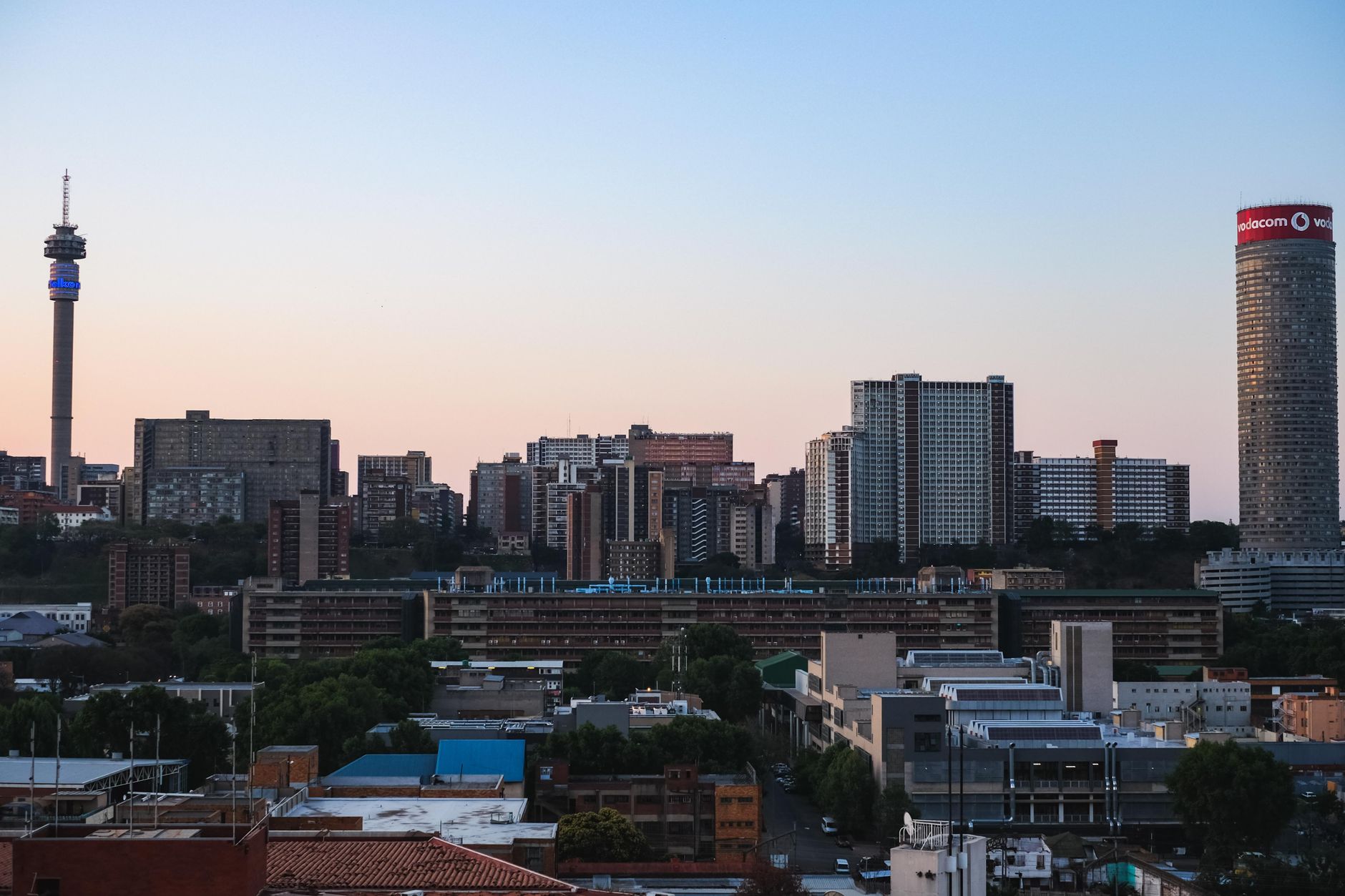
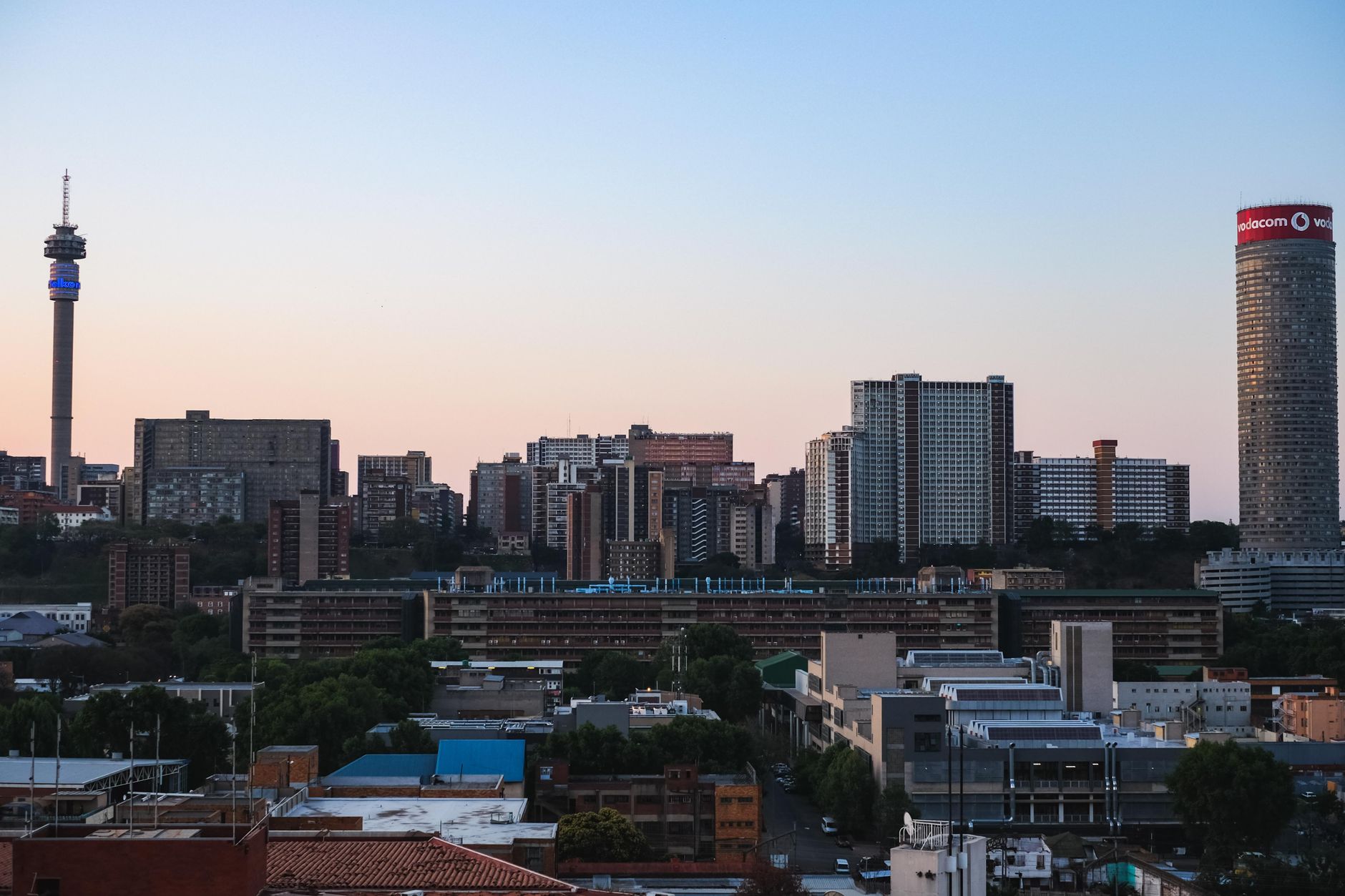
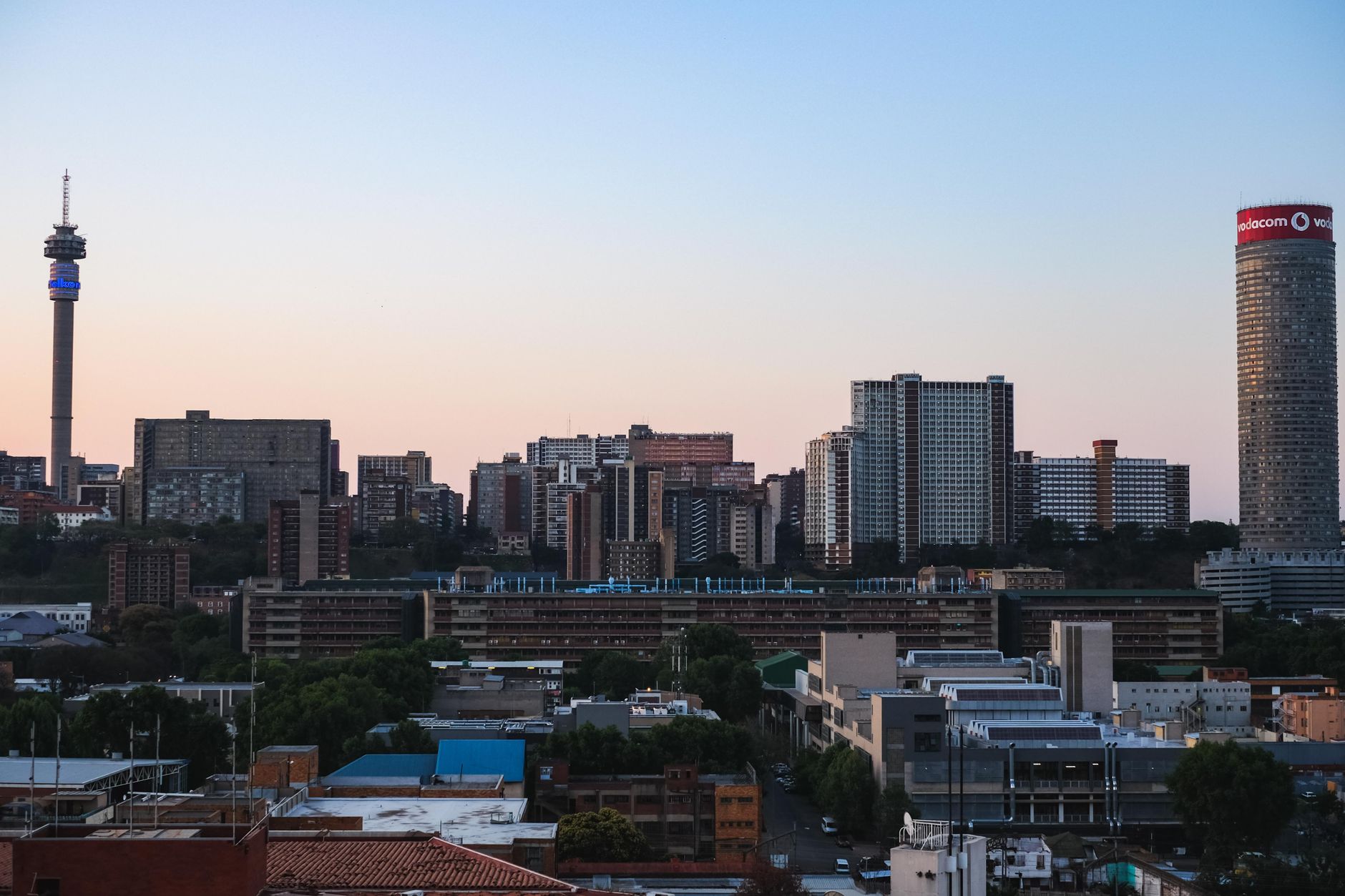
Johannesburg's housing crisis has reached a critical juncture. With median property prices in established areas like Sandton exceeding R4.5 million and rental costs in the inner city consuming up to 40% of low-income earners' salaries, the city faces mounting pressure to reimagine its urban development approach—a challenge that international comparisons illuminate starkly.
Unlike Vienna, which maintains Europe's most affordable housing through aggressive social rental programmes covering 60% of its population, Johannesburg's social housing delivery remains fragmented. The Johannesburg Housing Company has constructed approximately 8,000 units since 2008—a fraction of the estimated 1.5 million housing backlog. Meanwhile, cities like Singapore have virtually eliminated informal settlements through mandatory public housing policies that accommodate over 80% of residents, a model fundamentally at odds with South Africa's property-rights framework.
The contrast becomes even sharper when examining spatial integration. Toronto and Melbourne have successfully densified inner-city corridors—transforming former industrial zones into mixed-income neighbourhoods. Johannesburg's Braamfontein and Maboneng initiatives have made modest headway, yet sprawl persists. The city continues expanding eastward and northward, fragmenting communities and straining infrastructure. The Corridors of Freedom programme, designed to encourage transit-oriented development along major routes like the Rea Vaya line, remains ambitious in scope but hampered by funding constraints and slow implementation.
Barcelona's Housing Advocacy Office and Seoul's aggressive rent-control mechanisms offer instructive counterpoints to Johannesburg's largely market-driven approach. Here, rental deregulation and speculative investment have reshaped neighbourhoods like Hillbrow and Yeoville, displacing long-term residents faster than new affordable units materialise.
Experts within local institutions, including the University of the Witwatersrand's School of Architecture and Planning, acknowledge the city's structural limitations. Apartheid-era zoning laws remain embedded in municipal bylaws. Land availability near employment hubs—particularly around the Sandton CBD and the Johannesburg Stock Exchange precinct—remains prohibitively expensive or unavailable. Property taxes, while lower than global counterparts, fail to incentivise densification or penalise land hoarding.
Yet Johannesburg isn't wholly passive. The Inner City Regeneration Strategy and the recent Municipal Spatial Development Framework represent attempts to recalibrate. Relaxed zoning regulations in designated areas and subsidised land programmes targeting emerging developers signal recognition that business-as-usual fails.
The fundamental question remains: can a post-apartheid city simultaneously pursue market efficiency and equitable access? Global examples suggest no straightforward answer. Vienna's success demands sustained public investment. Singapore's relies on centralised control antithetical to democratic governance. Johannesburg must forge a distinctly local path—one acknowledging both market realities and spatial injustice.
This article was compiled by AI from the sources linked above and screened before publishing. See our editorial standards.
How does this story make you feel?
Spread the word
About this article
Published by The Daily Johannesburg
Daily brief
Free, in your inbox before 7am. Weekdays.
More in News