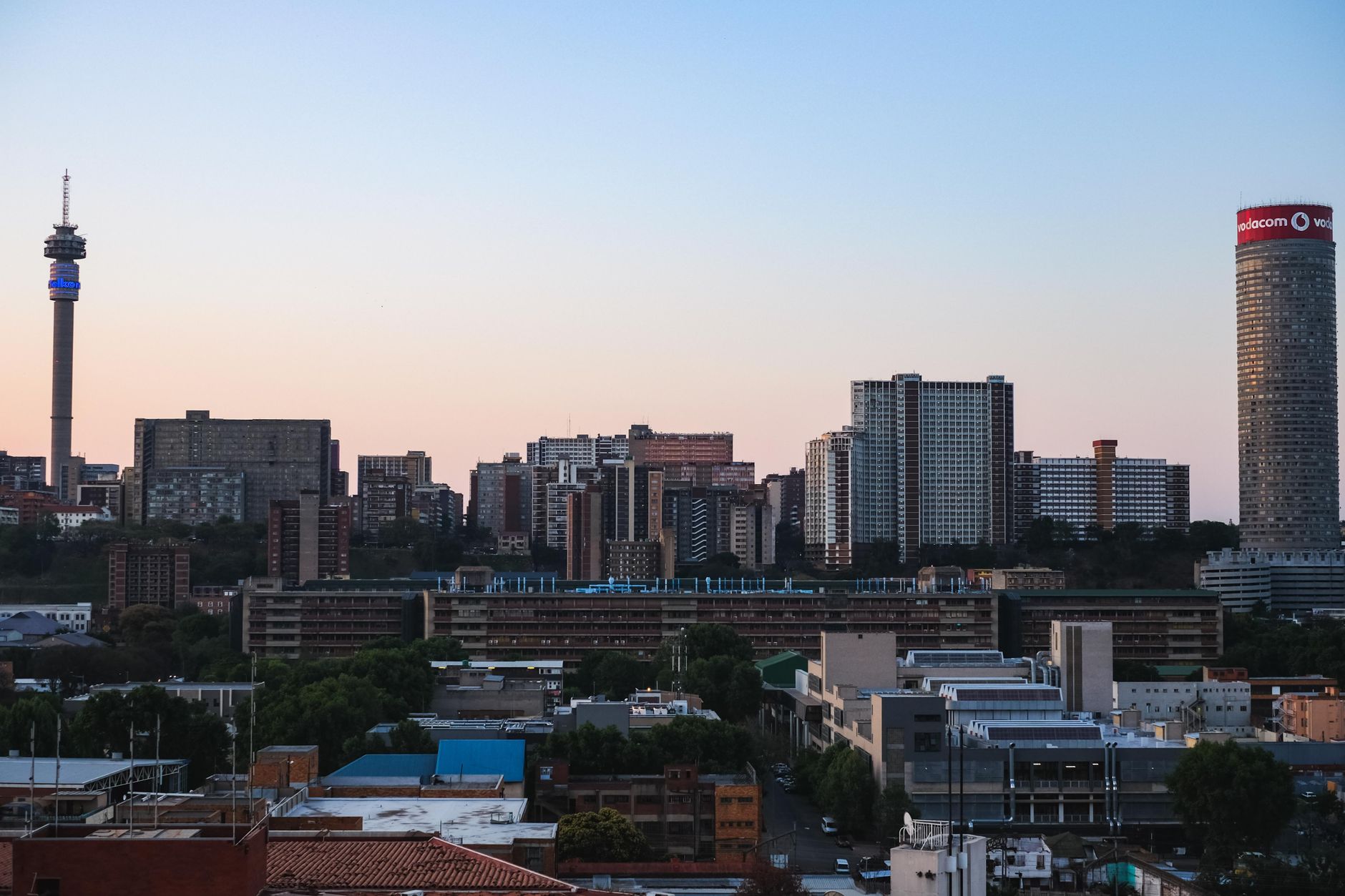
On a humid Monday afternoon, the cramped office of the Johannesburg Migrant Rights Centre in Braamfontein bustles with activity. Job seekers, mothers clutching identity documents, and young men waiting for work assignments fill every available chair. It is here, away from the headlines and political rhetoric, that the real voices of migration emerge.
According to Statistics South Africa, Johannesburg hosts an estimated 1.2 million foreign nationals—nearly a quarter of the city's population. Yet their stories remain largely untold by those affected directly. Community leaders and migrant workers interviewed this week paint a picture far more complex than recent xenophobic incidents would suggest.
"People see the violence on the news and think that's all we experience," says a representative from the African Diaspora Forum, which operates outreach programmes across Hillbrow and Berea. "But there's also incredible resilience. Migrants are starting businesses, sending remittances home, contributing to the economy. That doesn't make the headlines."
Housing remains the most pressing concern. In inner-city neighbourhoods like Yeoville and Fordsburg, migrants compete for limited rental stock in deteriorating buildings, often paying R3,500 to R5,500 monthly for single rooms. The absence of formal documentation keeps many trapped in exploitative conditions, unable to report landlord abuses to authorities.
Work is equally precarious. Day labourers gather at informal pickup points along Loveday Street and near Isando industrial zones, accepting minimal wages—sometimes R100 per day—without contracts or safety protections. Manufacturing and construction sectors rely heavily on migrant labour, yet legal protections remain inconsistent.
Despite these hardships, community networks thrive. Churches in the CBD, shops in Fordsburg's Market precinct, and social halls throughout Hillbrow serve as anchors. Migrants establish savings groups, share housing leads, and mentor newcomers navigating the city's complexities.
"The government must listen to us," a social worker at the Scalabrini Centre notes. "We need clearer pathways to documentation, workplace protections, and housing regulations that don't exploit vulnerability. Most migrants aren't looking for charity—they want to work legally and contribute fully."
As Johannesburg continues its economic recovery, the migrant question demands more nuanced attention. Statistics show that foreign nationals contribute significantly to small business ownership and fill critical labour shortages. Yet policy remains reactive, responding to violence rather than proactively protecting and integrating communities.
The voices emerging from Braamfontein, Yeoville, and Isando suggest a different narrative: not one of crisis, but of complex human experiences deserving dignity, rights, and genuine inclusion in the city's ongoing story.
This article was compiled by AI from the sources linked above and screened before publishing. See our editorial standards.