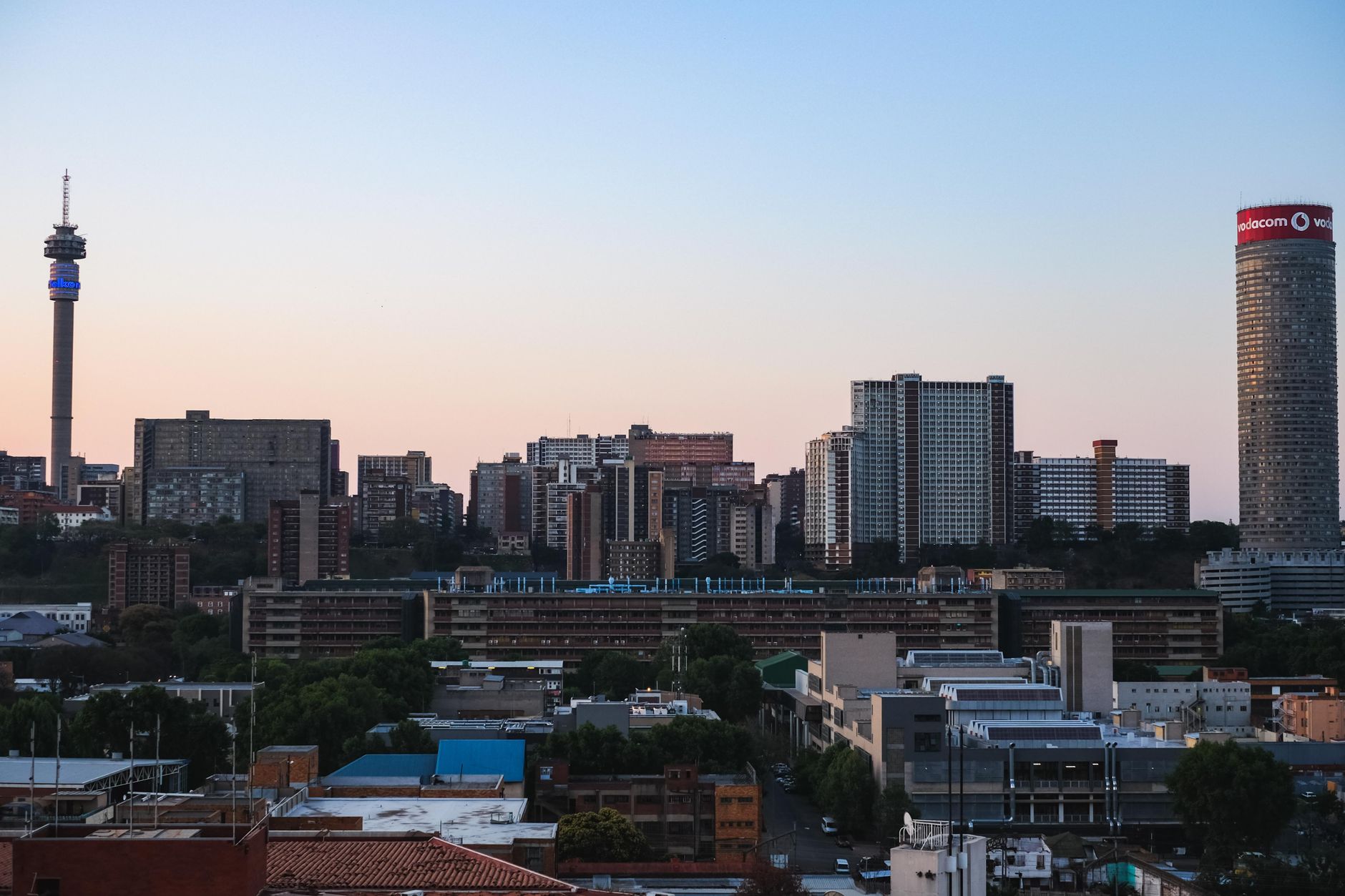
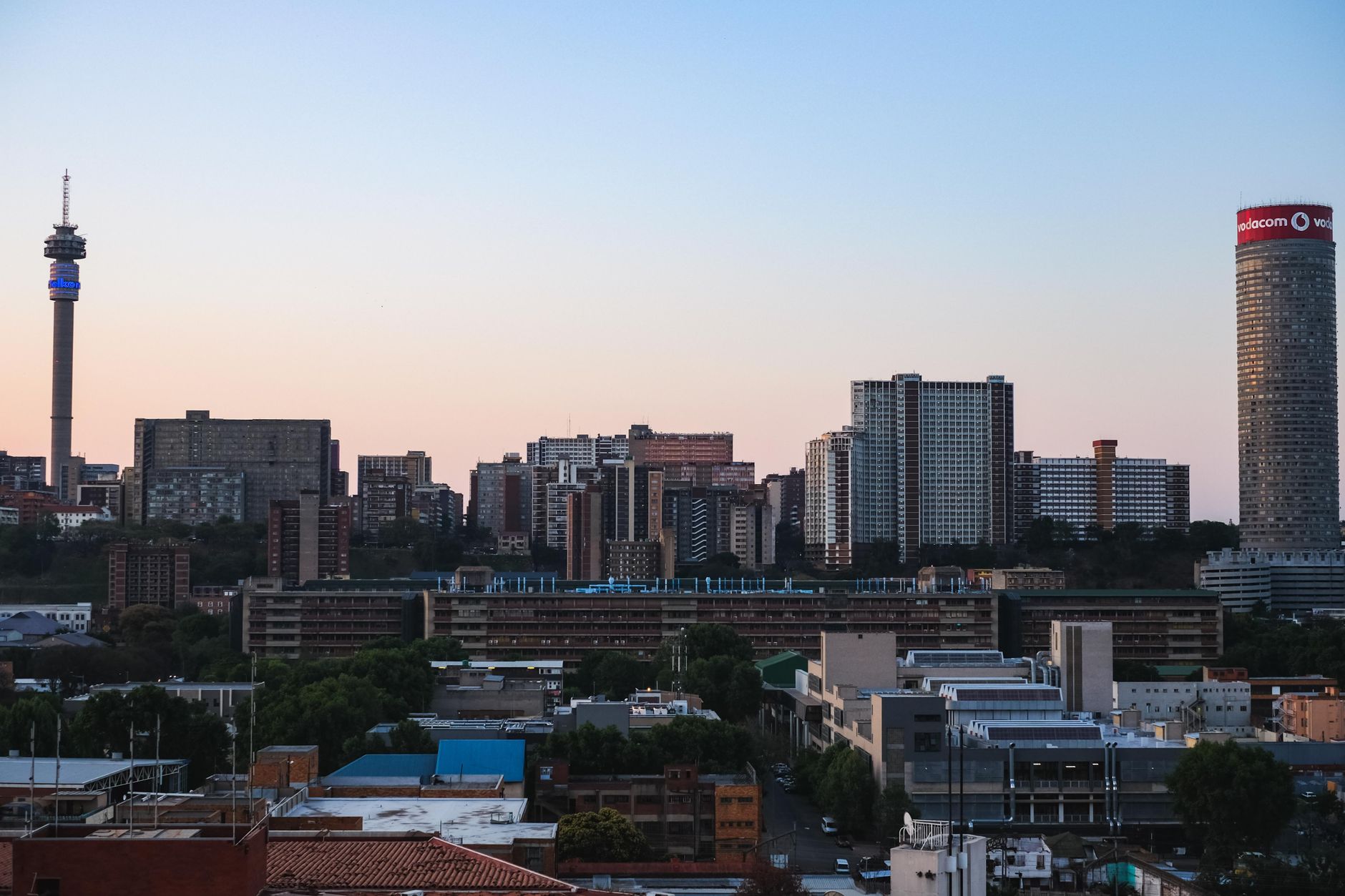
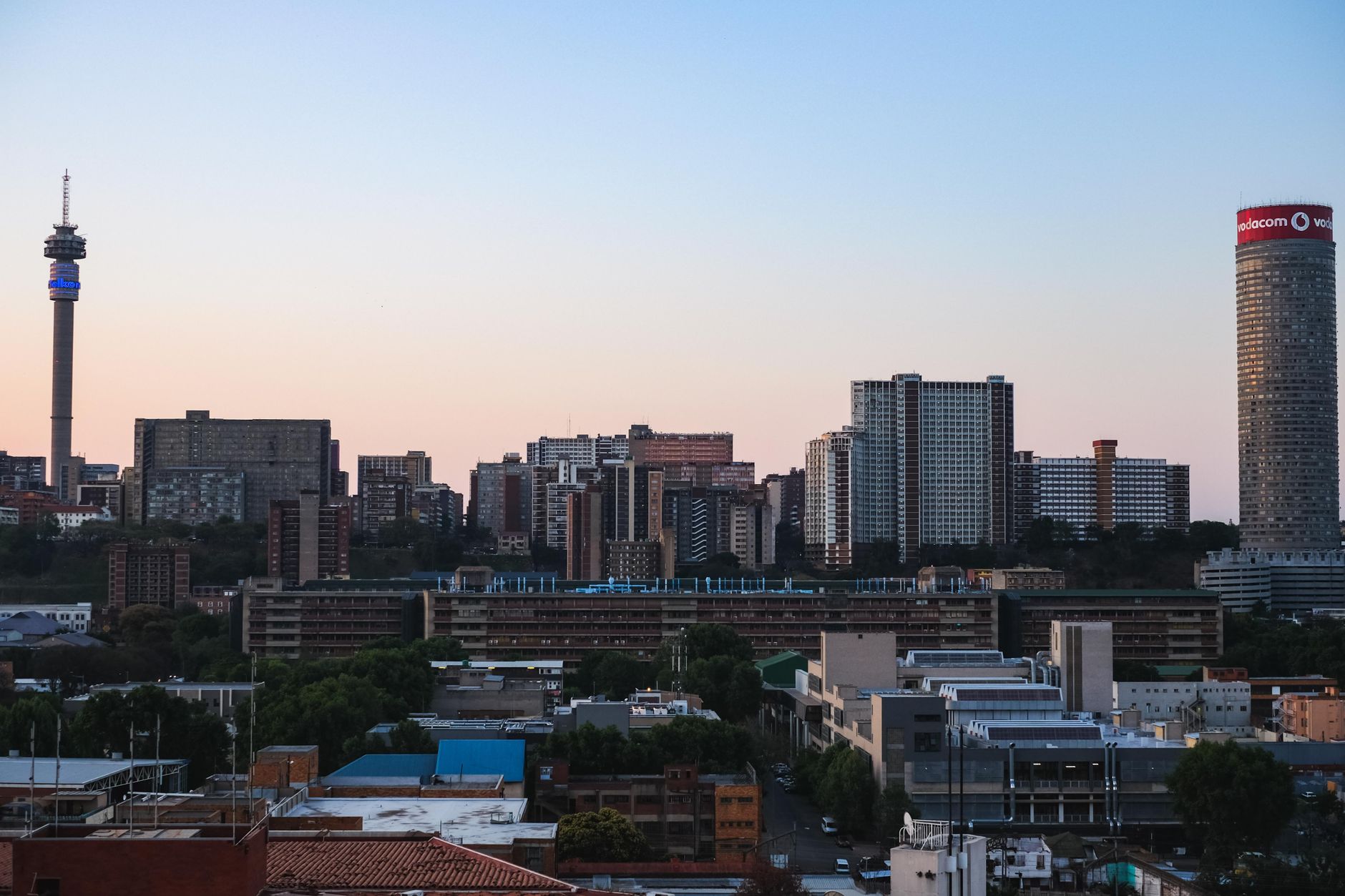
The sight of water trucks queuing along Empire Road in Parktown has become grimly familiar to Johannesburg residents this winter, yet the city's response mechanisms offer a cautionary tale when measured against how peer cities globally are managing similar crises.
The City of Johannesburg's Department of Water and Sanitation announced last month that it would implement rotational cuts across northern suburbs—affecting around 400,000 residents in areas from Sandton to Midrand. The directive, issued via the City's official channels, came after years of aging infrastructure and maintenance backlogs that officials acknowledge cost the municipality roughly R15 billion annually in water losses through leakage.
Compare this with Singapore's approach: the city-state, facing zero natural water reserves, has invested heavily in desalination plants and advanced recycling systems, achieving near-zero unaccounted water loss. Melbourne, meanwhile, after severe droughts in the 2000s, implemented tiered pricing and smart metering across 1.5 million residents—measures that cut consumption by 40 percent within five years.
Johannesburg's City Power division faces parallel challenges. Rolling blackouts have plagued the metro since 2022, with peak demand regularly exceeding supply by 3,000 megawatts. The municipality's renewable energy roadmap, released last year, targets 300 megawatts of solar capacity by 2028. Yet cities like Copenhagen have already achieved carbon neutrality in their electricity grids, and São Paulo reduced load-shedding through aggressive demand-side management and distributed generation.
Where Johannesburg shows promise is in institutional innovation. The Inner City Regeneration Strategy, piloted in the Newtown and Braamfontein corridors since 2023, has attracted over R8 billion in private investment and reduced vacancy rates from 23 percent to 16 percent. The Joburg Market relocation project and the Maboneng Precinct expansion demonstrate that targeted interventions can yield results—strategies echoed in Barcelona's urban renewal efforts.
The stumbling block remains accountability and speed of execution. The City's mayoral committee met 47 times last financial year, yet only 34 percent of approved infrastructure projects were completed on schedule, according to municipal audit reports. By contrast, Toronto's City Council operates with stricter project timelines and public reporting mechanisms that have improved completion rates to 78 percent.
Residents of Soweto and Alexandra, where water outages regularly last weeks, point to a crueler truth: service delivery disparities that echo apartheid-era geography. Global best practice suggests that crises demand equity-first responses. So far, Johannesburg's approach has favored high-density commercial areas like the CBD and northern suburbs.
The city's leadership will need more than strategy documents. It requires the fiscal discipline, technological investment, and political will that cities like Kuala Lumpur and Istanbul have demonstrated—or risk falling further behind.
This article was compiled by AI from the sources linked above and screened before publishing. See our editorial standards.