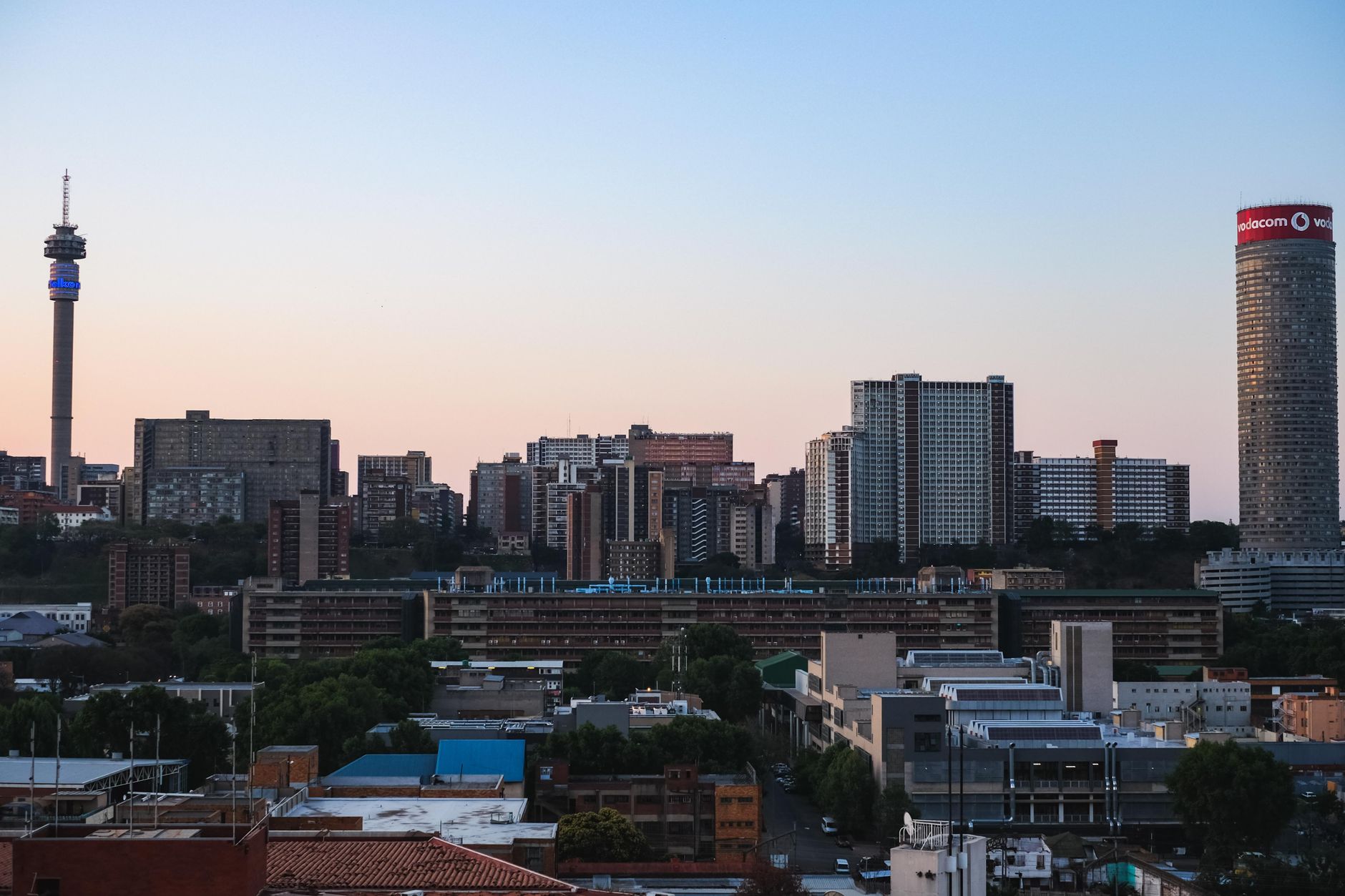
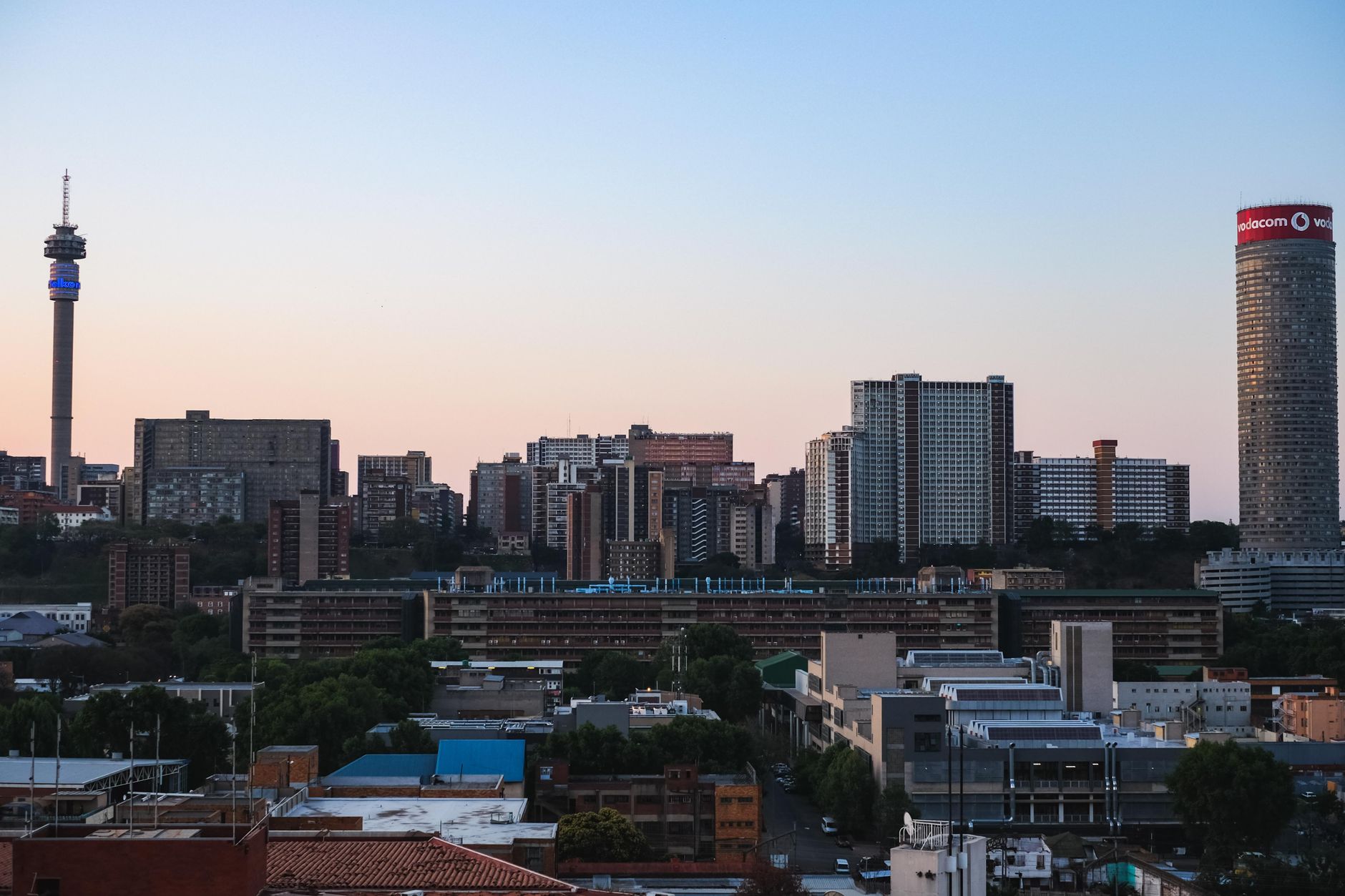
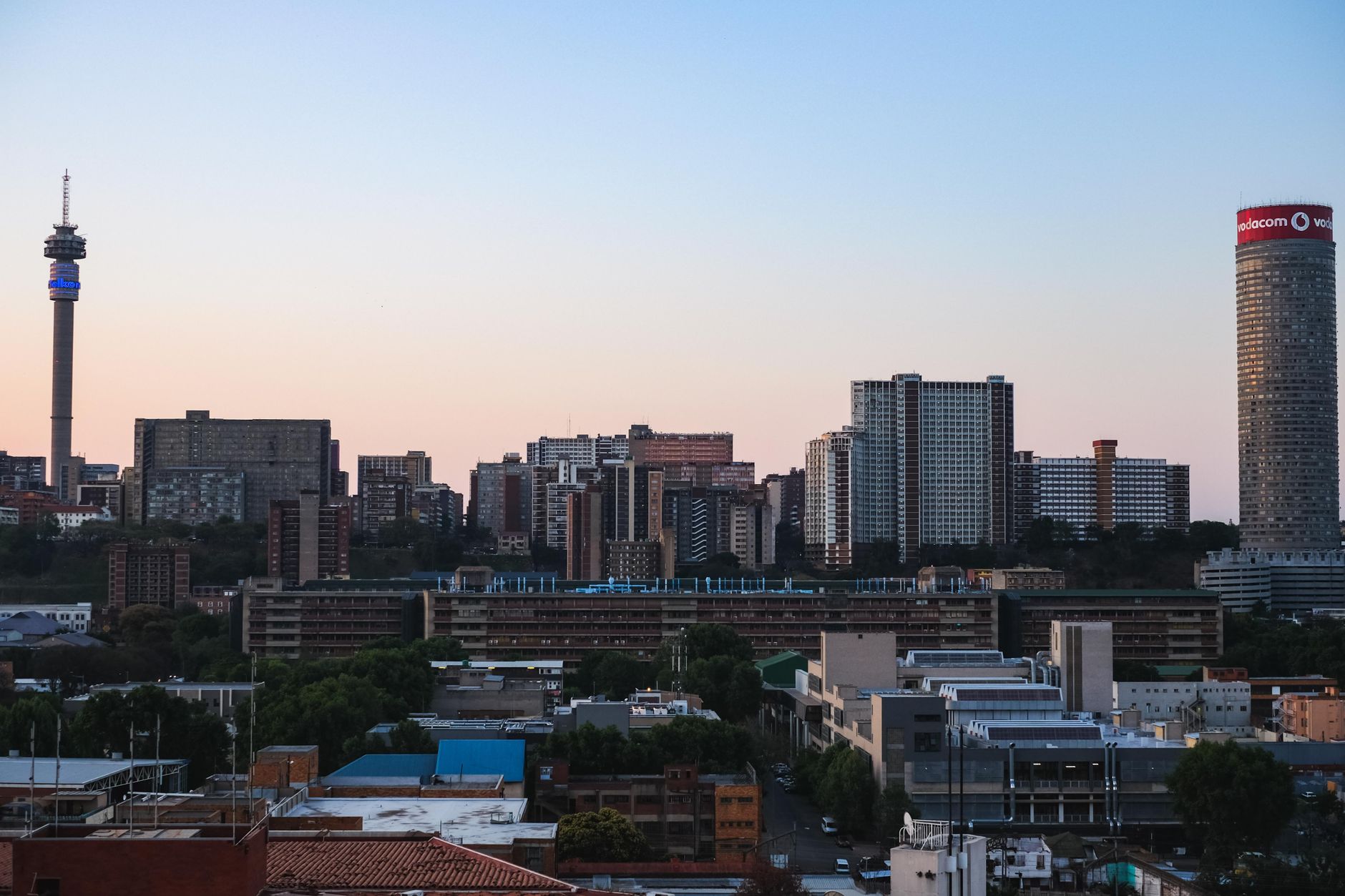
For residents living anywhere from Sandton's leafy avenues to Soweto's Jabulani township, this week's announcement from Rand Water signals a difficult reality: Johannesburg's water emergency is entering a critical phase, and the impact will be felt unevenly across the metropolis.
The water utility, which supplies roughly 15 million people across Gauteng, has confirmed that the Vaal River system—which feeds nearly 80 percent of the city's supply—is operating at dangerously low levels. With the 2025-26 dry season extending longer than predicted, Stage 6 restrictions are now in place, limiting non-essential water use across the city. For a metropolitan area of over 6 million people, the implications are immediate and severe.
In the CBD and northern suburbs like Rosebank and Illovo, businesses are scrambling to adapt. Shopping centres, office towers, and hotels—already operating on thinner margins post-pandemic—now face water-dependent operations becoming prohibitively expensive. A typical Johannesburg hotel uses 500 kilolitres of water daily; under current restrictions, that figure must drop by a third. The cost of alternative water sourcing, via tankers or recycled systems, has spiked 45 percent since January.
But the pinch is sharpest in outlying townships and informal settlements. Soweto, Ekurhuleni, and areas around Orange Farm have experienced intermittent supply for months. Communities depending on communal taps report queuing hours for basic water needs. Health risks—from poor sanitation to disease outbreak—amplify in areas where water scarcity means buckets replace flush toilets.
The City of Johannesburg's water department has pledged R2.8 billion in infrastructure upgrades to address leakages (currently estimated at 35 percent of distributed supply) and expand supply from alternative sources. Yet implementation remains sluggish. Projects slated for completion in 2024 have been delayed; the Olifantsvlei Water Reclamation Plant, intended to ease pressure, is months behind schedule.
For ordinary Johannesburgers—whether in Berea flats or Bryanston mansions—the message is stark: conserve now or face harsher restrictions later. The city's long-term survival depends on behavioral change that transcends zip codes. Water security isn't a luxury issue anymore; it's a baseline survival issue reshaping how Johannesburg functions.
Residents can track current supply levels and restrictions via the City's water dashboard, available online, and report leaks to 0861-928-374.
This article was compiled by AI and screened before publishing. See our editorial standards.