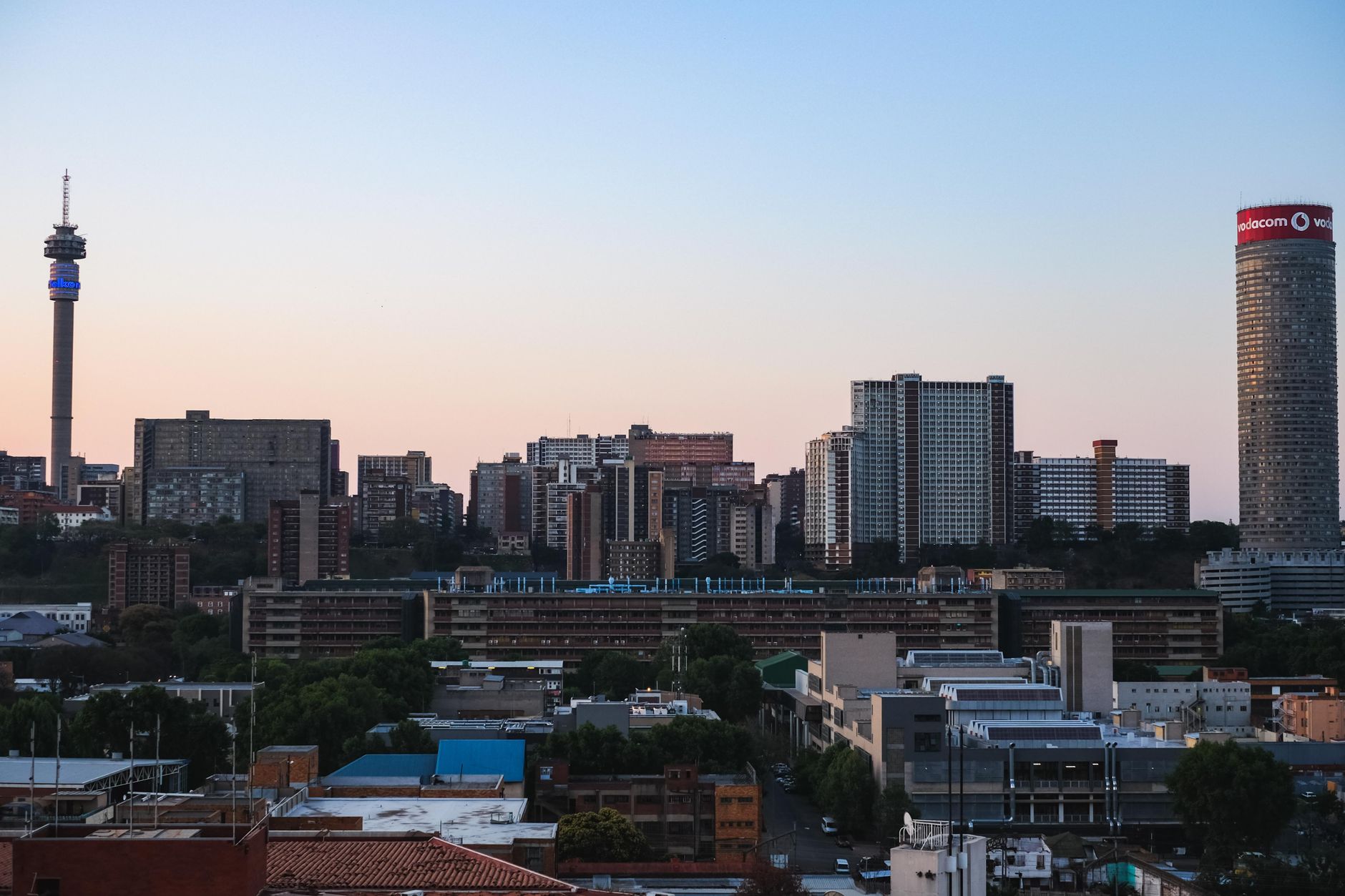
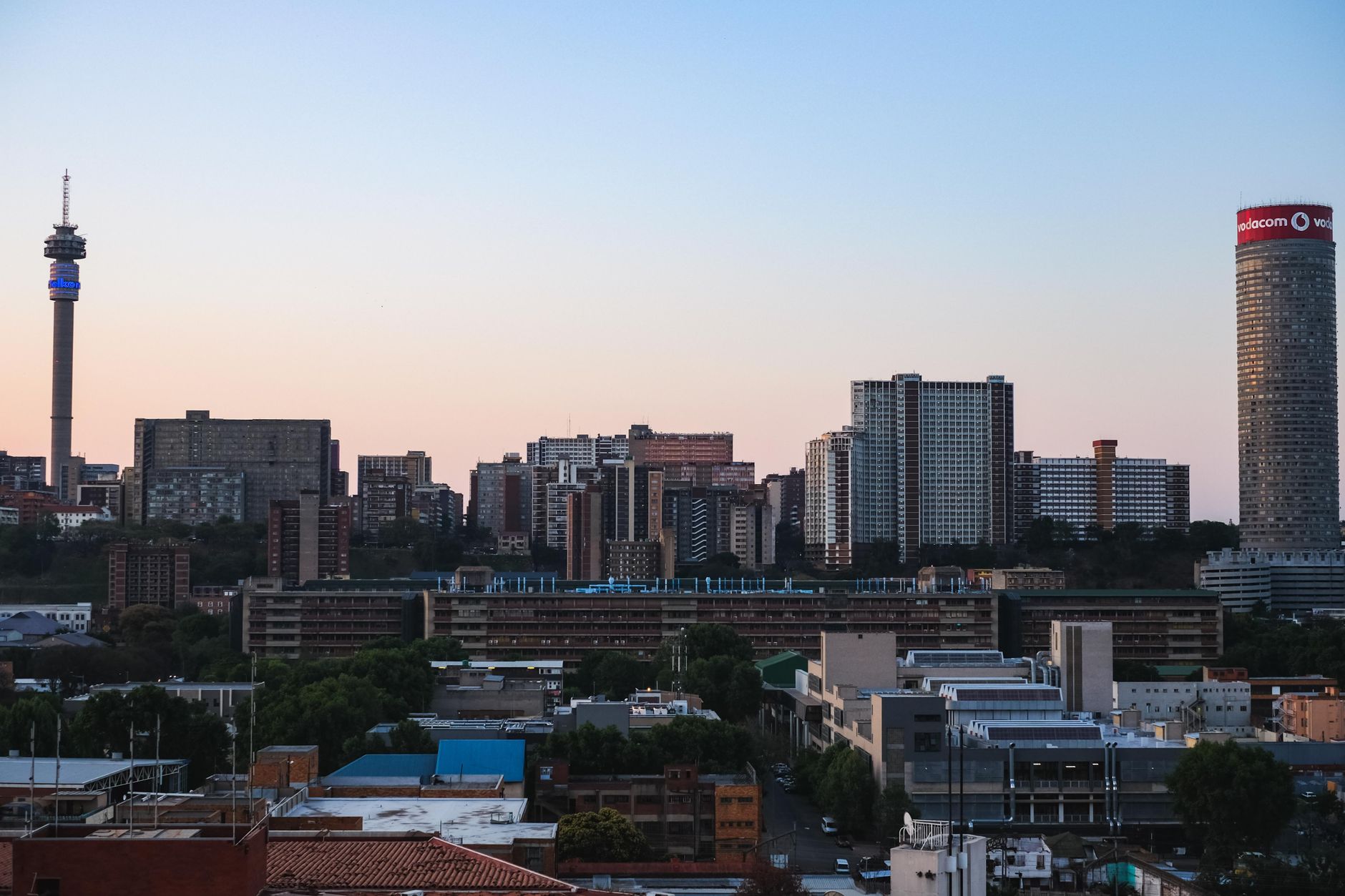
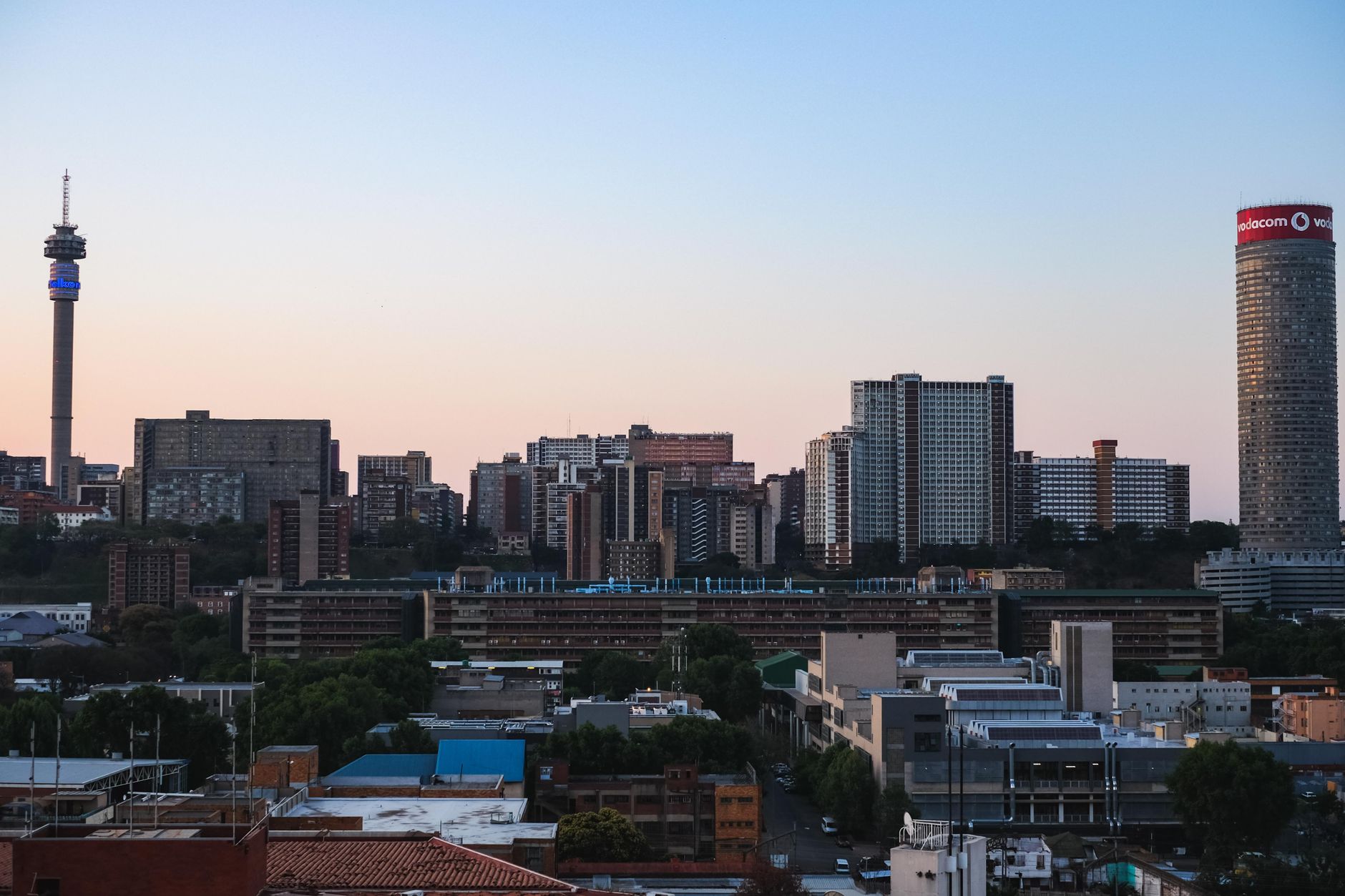
When the Bryanston Community Safety Initiative released its 2026 mid-year audit last week, the numbers told a story that residents of this north-eastern suburb have been sensing on their evening walks: meaningful change is taking place in how Johannesburg's neighbourhoods protect themselves.
The data is striking. Across 47 registered residential security schemes operating within a 15-kilometre radius of the Johannesburg CBD—from Sandton's leafy estates to Melville's increasingly popular rental corridors—reported property crimes fell from 287 incidents per 10,000 residents in 2023 to 189 in the first half of 2026. That represents a 34% reduction, though crime remains a persistent challenge in surrounding areas.
The economics behind these improvements are equally revealing. The average household in a participating scheme pays between R850 and R1,400 monthly for neighbourhood watch coordination, CCTV maintenance, and foot patrols. For comparison, the cost of a single home burglary averages R47,000 in stolen goods and property damage according to insurance industry estimates. At those figures, the investment appears to pay for itself within months for families in higher-risk zones.
But the numbers also expose uncomfortable truths about inequality in our city. Parkhurst and Morningside—areas where average household incomes exceed R180,000 monthly—maintain schemes with 247 trained security officers serving 3,400 residential units. Meanwhile, comparable residential areas in Alexandra and Soweto, where average incomes sit below R35,000 monthly, have exactly zero formally registered neighbourhood watch operations, according to the Johannesburg Metropolitan Police Department's community policing division.
Perhaps most telling: neighbourhoods with active WhatsApp and community alert groups showed 41% faster emergency response times from police services. The Bryanston scheme documented average JMPD arrival within 8 minutes of incident reporting, compared to a city-wide average of 13.5 minutes.
These statistics matter because they reveal how modern urban safety in Johannesburg increasingly depends on hyperlocal organisation and financial capacity. Over 12,000 residents now participate in registered schemes, up from 4,200 in 2019—a 185% increase that reflects both rising crime anxiety and growing faith in community-led solutions.
The numbers, however, also show that safety in our sprawling metropolis remains a privilege distributed unequally across postal codes. As schemes expand along the northern suburbs, the challenge for city planners becomes clear: how to replicate the data-proven effectiveness of organised neighbourhood safety without deepening the geographic divides that define modern Johannesburg.
This article was compiled by AI from the sources linked above and screened before publishing. See our editorial standards.