From Smog to Green Dreams: How Johannesburg Got Serious About Sustainability
Twenty years of air quality crises, water shortages and community activism have transformed the city's approach to environmental challenges.
Twenty years of air quality crises, water shortages and community activism have transformed the city's approach to environmental challenges.
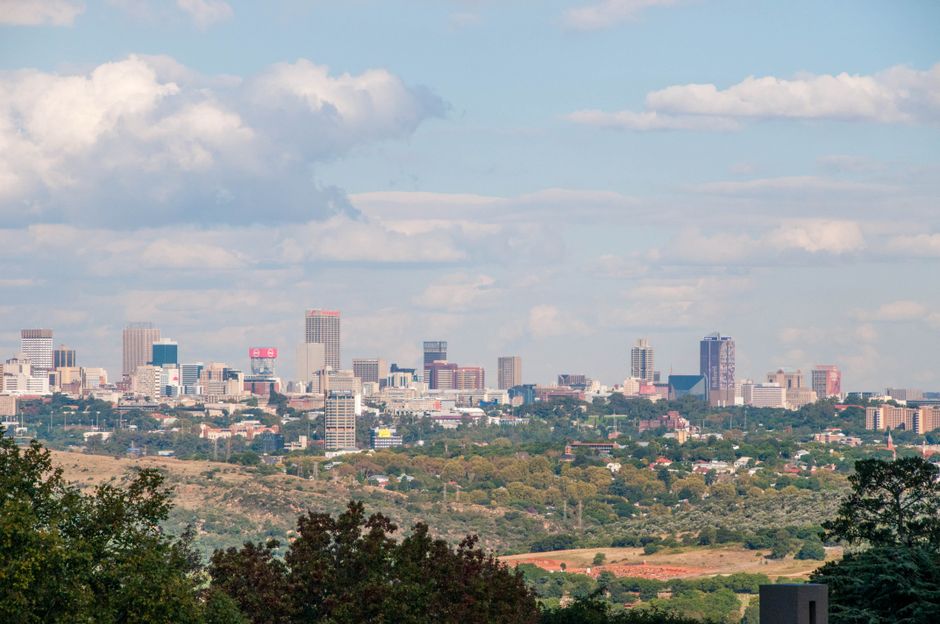
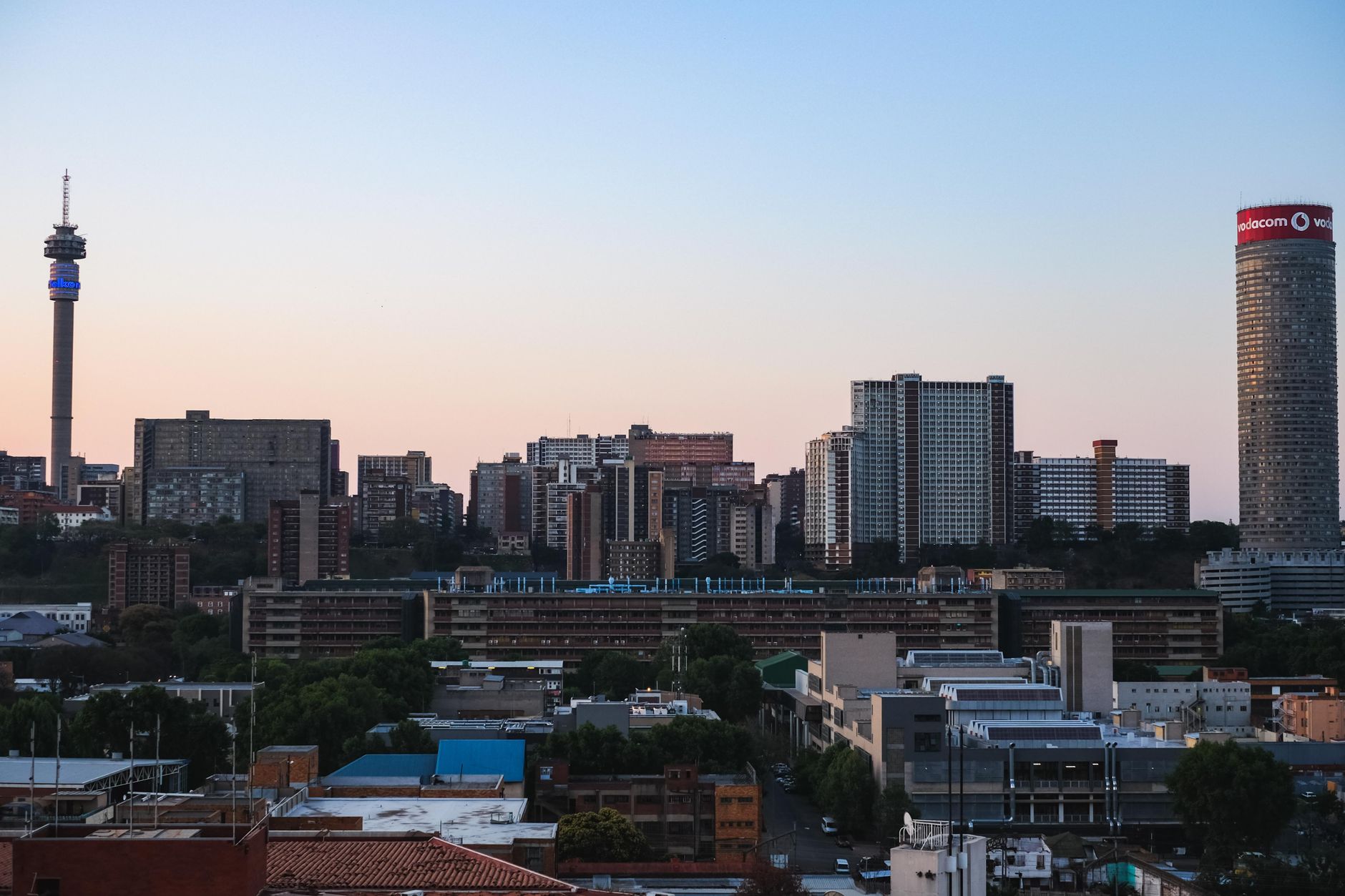
When the Johannesburg skyline turned orange in 2005, few residents realised they were witnessing a turning point in the city's relationship with the environment. That summer, a combination of power station emissions, vehicle pollution, and veld fires created a choking haze that hung over the CBD for weeks. The Air Quality Index regularly exceeded 300, classifying the air as hazardous. Communities from Soweto to Sandton faced respiratory infections, and the World Health Organisation flagged the city as one of Africa's most polluted urban centres.
What followed was a slow, sometimes painful awakening. The City's first comprehensive Air Quality Management Plan arrived in 2009, but implementation stumbled. Eskom's coal-dependent power stations continued belching emissions. Minibus taxi operators resisted emission standards. Informal settlements around Diepsloot and Alexandra lacked basic waste management infrastructure. By 2015, Johannesburg's Air Quality Index still regularly breached dangerous levels during winter months.
The water crisis proved equally sobering. Between 2012 and 2019, the Mogale City water treatment works experienced multiple failures, leaving entire neighbourhoods without supply for days. The Cradle of Humankind's aquifers—critical for the city's long-term water security—showed signs of depletion. In 2018, residents paid approximately R45-50 per kilolitre, significantly above the national average, yet infrastructure remained ageing and inefficient.
These converging pressures catalysed change. The City's 2019 Environmental Implementation Plan marked a genuine shift, backed by R2.3 billion in targeted investments. Universities including Wits and University of Johannesburg accelerated sustainability research programmes. Community organisations in Kliptown and Diepsloot began leading their own green initiatives, from rooftop gardens to waste-to-energy pilots. Private sector players—particularly in the financial services sector clustered around Sandton—started factoring climate risk into their strategic planning.
Today's sustainability landscape looks markedly different. Solar installation in Johannesburg has grown 340% since 2020. The Gauteng Green Corridor project, launched in 2023, has planted over 800,000 trees across the province. Bus rapid transit systems are reducing emissions in corridors connecting the inner city to outlying areas. Yet challenges persist: informal settlements still house nearly 1.5 million residents with limited waste management access, and the city's dependency on coal-generated electricity remains substantial.
The journey from 2005's orange skies to 2026 reflects neither triumph nor failure, but rather hard-won recognition that Johannesburg's sustainability depends on sustained commitment across every sector—government, business, and community alike.
This article was compiled by AI from the sources linked above and screened before publishing. See our editorial standards.
How does this story make you feel?
Spread the word
About this article
Published by The Daily Johannesburg
Daily brief
Free, in your inbox before 7am. Weekdays.
More in News