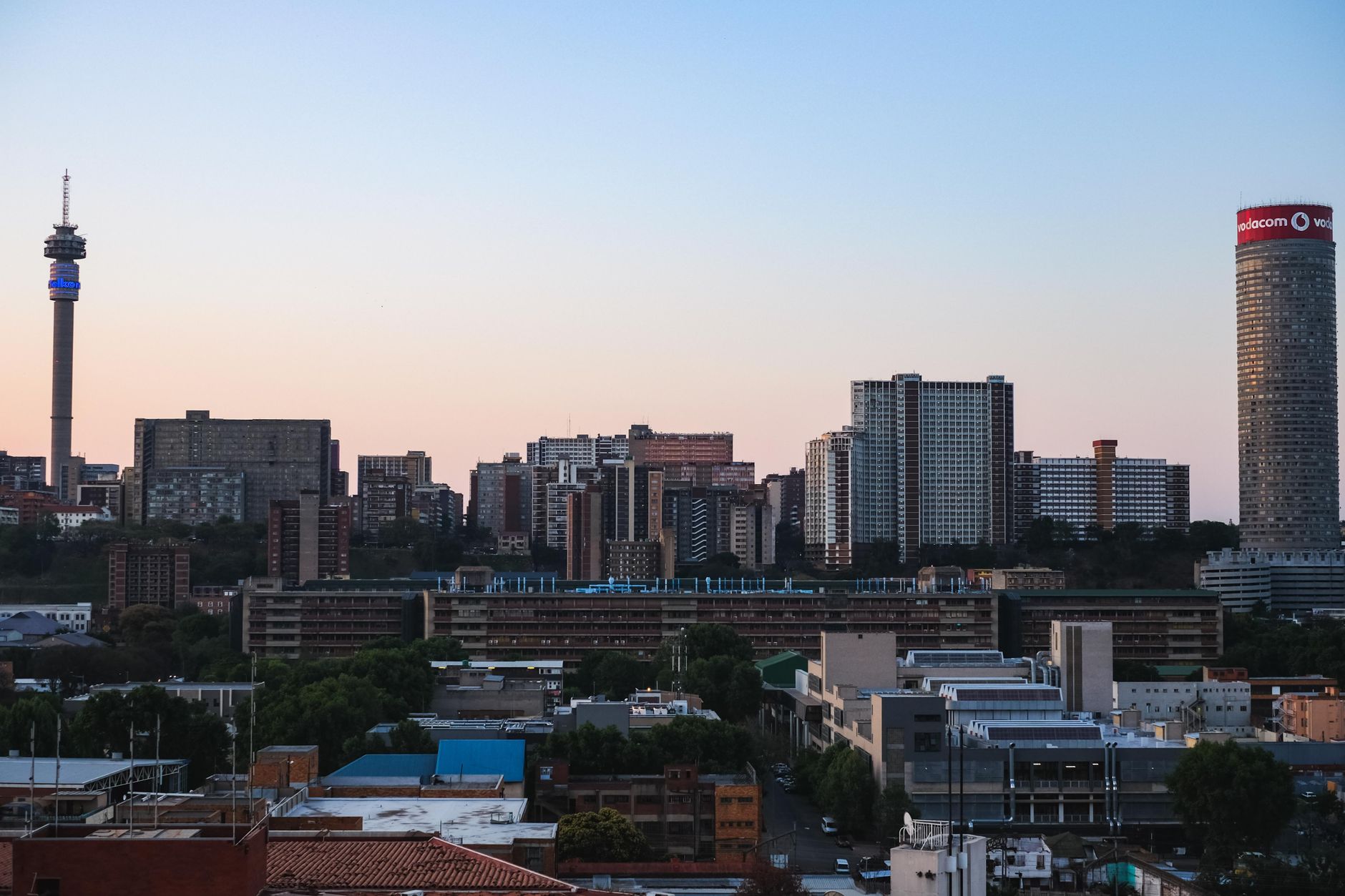
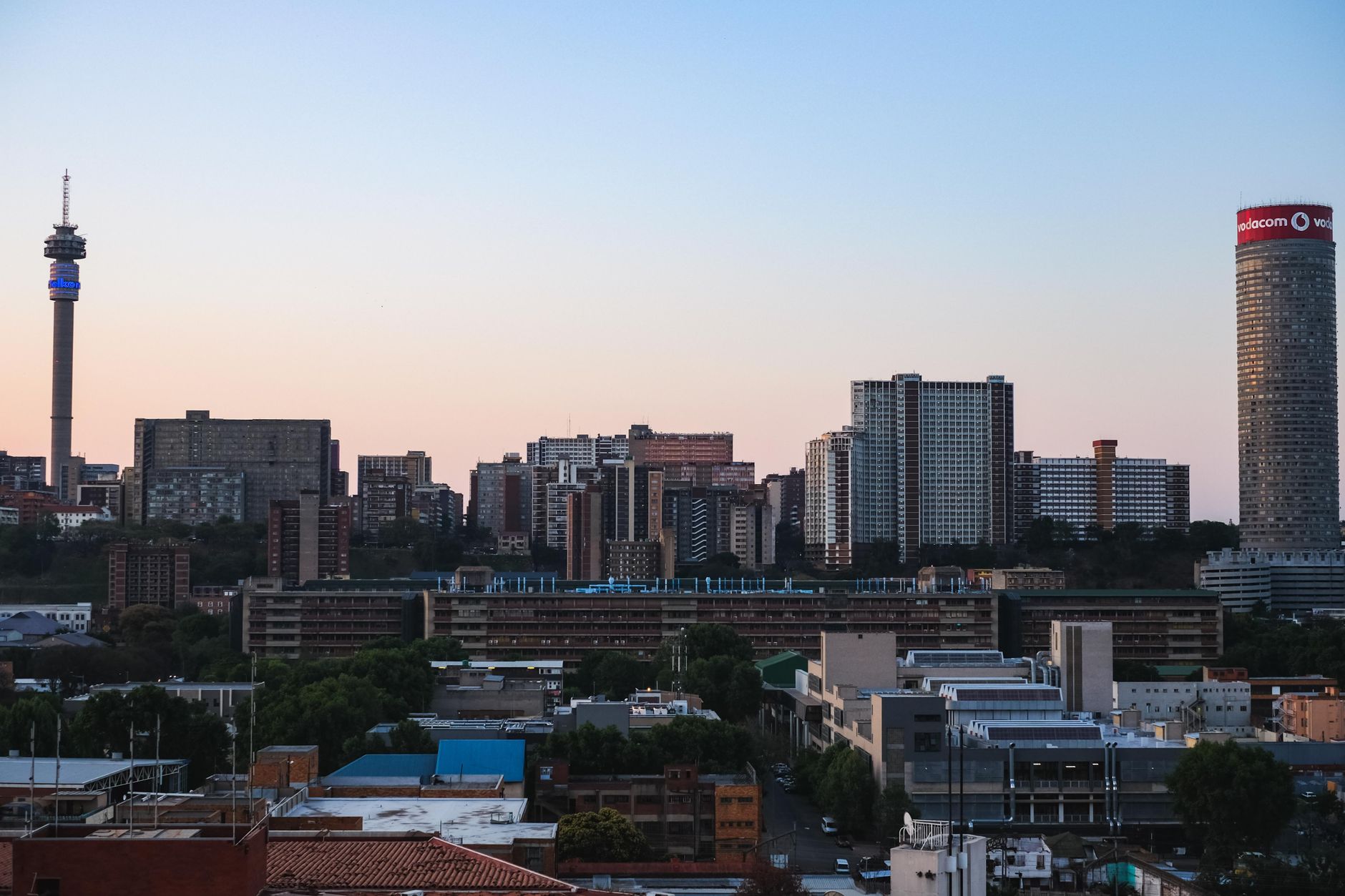
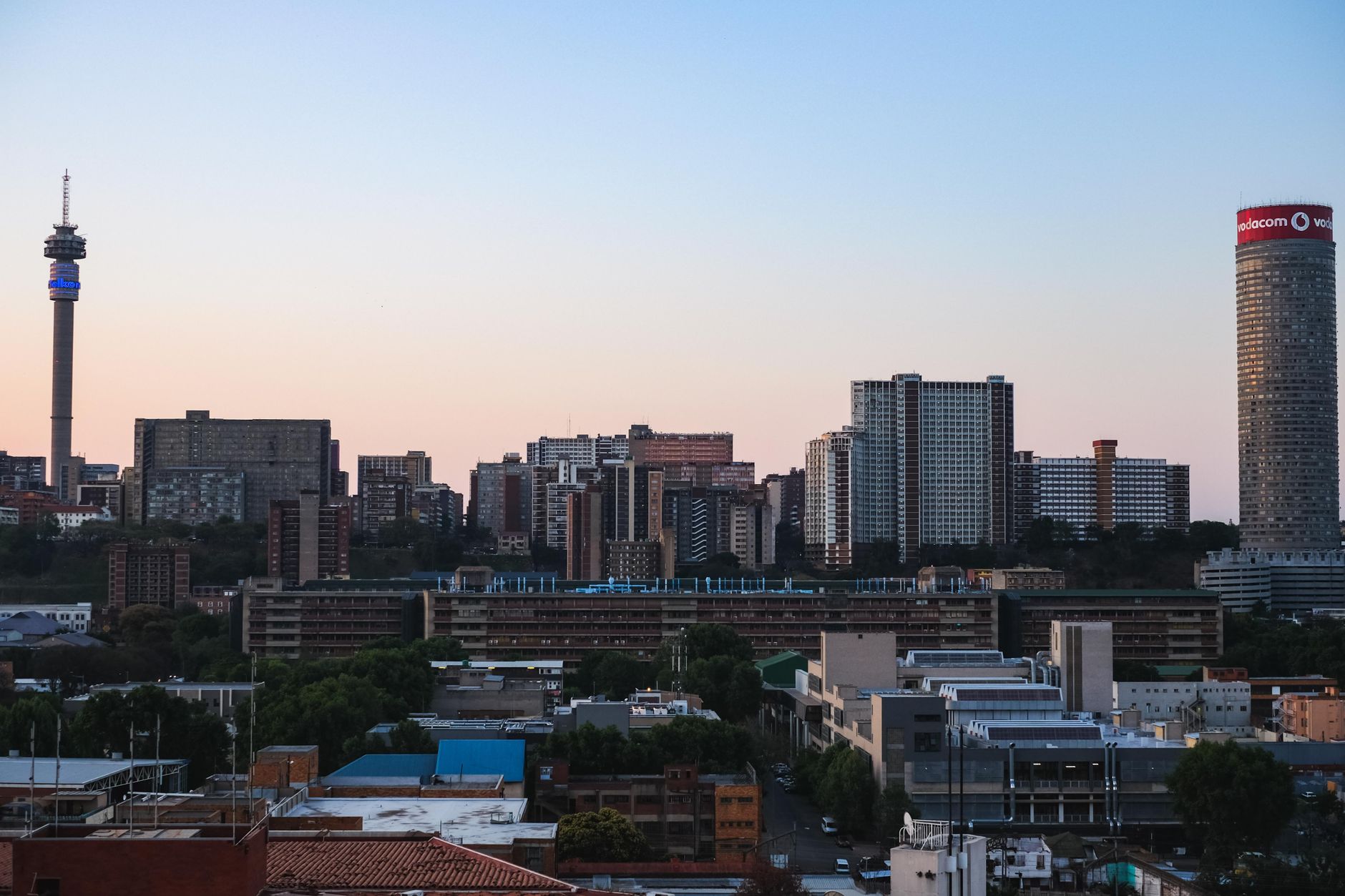
Johannesburg stands at a critical juncture in its infrastructure planning, with multiple major transport projects requiring urgent decisions that will reshape how millions move through Africa's economic powerhouse over the next decade.
The Gautrain Authority's proposed expansion to the east—potentially connecting Boksburg and Springs to the existing network—remains trapped in funding limbo. The original line, completed in 2011 at a cost of R24.6 billion, transformed commuting patterns for affluent northern suburbs, but expansion southward and eastward has stalled despite persistent calls from the Ekurhuleni Metropolitan Municipality and business chambers. The critical question now is whether the city and province will commit to a revised business case, expected by September, or whether these aspirations will be shelved indefinitely.
Meanwhile, the Johannesburg Bus Rapid Transit (BRT) system—intended to serve poorer communities across Soweto, Alexandra, and the eastern townships—faces its own reckoning. The initial Rea Vaya network has struggled with operational challenges and funding constraints since its 2009 launch. Plans to extend the system into underserved areas remain on paper as the city grapples with maintenance backlogs and budget pressures. Crucial decisions about whether to expand the BRT or invest in alternative rapid transit solutions will determine mobility options for hundreds of thousands of workers in townships.
Perhaps most pressing is the state of Johannesburg's road infrastructure. The city's potholed arteries—from the Witwatersrand to Oxford Road corridors through central Johannesburg—cost commuters an estimated R3.2 billion annually in vehicle damage, according to industry estimates. A comprehensive assessment completed by the city in 2024 identified R48 billion in backlog maintenance needs. The looming decision: should the city pursue targeted rehabilitation of critical routes, or attempt a broader, longer-term upgrade programme?
The Rea Vaya, Gautrain, and road network decisions are interconnected. Investment in one area inevitably draws resources from others. City officials and provincial transport authorities must determine whether to pursue integrated mass rapid transit connecting disparate nodes, or focus on targeted interventions in specific corridors.
These decisions arrive amid constrained municipal budgets and competing priorities. A special council session scheduled for mid-July will review the transport master plan's implementation framework. Whether Johannesburg opts for ambitious multi-modal expansion or pragmatic maintenance and consolidation will define commuter experiences for years to come.
This article was compiled by AI from the sources linked above and screened before publishing. See our editorial standards.