Moving to Johannesburg? Here's What Changed This Week and Why It Matters
From transport upgrades to housing shifts, here's what newcomers need to know about Joburg's fast-evolving landscape right now.
From transport upgrades to housing shifts, here's what newcomers need to know about Joburg's fast-evolving landscape right now.
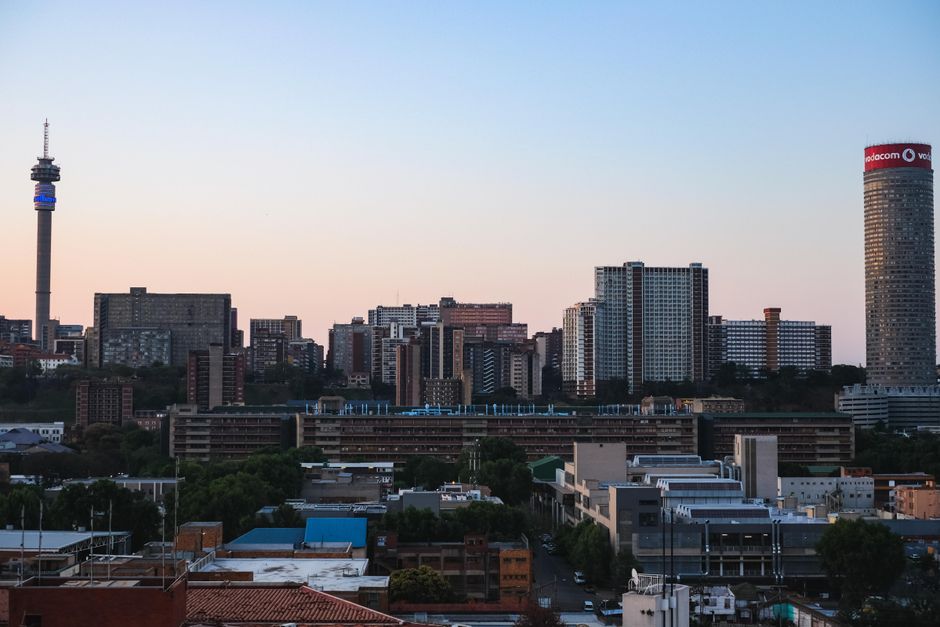
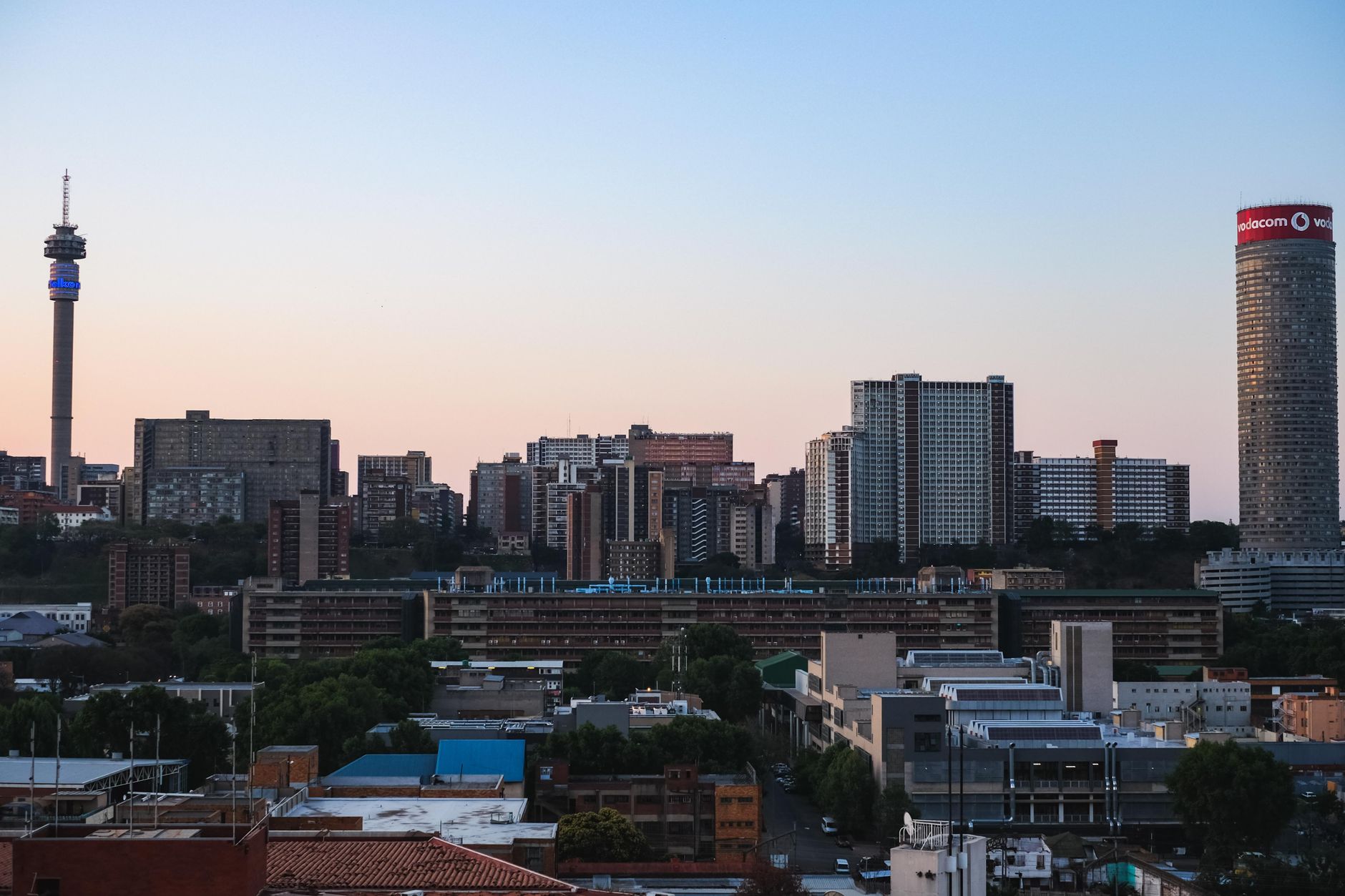
If you're considering a move to Johannesburg, this week has delivered some significant signals about the city's trajectory that could shape your decision. Whether you're eyeing Sandton's gleaming corporate towers, the creative energy of Maboneng, or the suburban comfort of Bryanston, understanding recent developments is crucial for newcomers navigating Africa's most dynamic metropolis.
The property market continues its cautious recalibration. Mid-range residential units in established neighbourhoods like Illovo and Parkhurst remain attractive to young professionals, with rental prices stabilising around R8,500–R12,000 monthly for a two-bedroom apartment. However, investors are increasingly scrutinising infrastructure and security investments rather than betting solely on capital appreciation. This week's focus on municipal service delivery—particularly water and electricity reliability in Sandton and northern suburbs—reflects a broader shift in buyer priorities.
Transport connectivity remains a flashpoint for newcomers. The Gauteng government's ongoing investments in bus rapid transit corridors serving the Johannesburg CBD, Midrand, and outlying areas like Centurion continue to evolve. For commuters weighing proximity to the City Centre against suburban tranquillity, understanding your transport options before signing a lease is essential. The OR Tambo precinct and Sandton remain dominant employment hubs, making proximity calculations worth your while.
Newcomers should also note the evolving entertainment and cultural landscape. Neighborhoods like Braamfontein and Arts on Main in Maboneng have solidified their reputation as hubs for galleries, restaurants, and nightlife—attracting young professionals seeking walkability and community. These areas typically command premium rents but offer lifestyle advantages that offset costs for many arrivals.
Safety remains the conversation starter for any Johannesburg newcomer. While headline security incidents dominate global news cycles, day-to-day reality varies dramatically by neighbourhood. Sandown, Morningside, and Sunninghill maintain robust security frameworks and community response systems. Conversely, parts of the inner city require heightened vigilance. Connecting with local community groups and estate management before arrival is invaluable.
Access to healthcare and education has also drawn fresh attention this week. Johannesburg boasts world-class private institutions—Mediclinic Sandton, Netcare Sunninghill—alongside excellent schools making it genuinely competitive for families. International arrivals frequently cite these as decisive factors.
The bottom line: Johannesburg rewards informed, deliberate decisions. Spend time in your intended neighbourhood before committing. Connect with existing communities online. Engage with local property agents who understand microlevel shifts. The city's energy is undeniable, but success as a newcomer hinges on matching your lifestyle needs to the neighbourhood's actual trajectory right now—not six months ago.
This article was compiled by AI and screened before publishing. See our editorial standards.
How does this story make you feel?
Spread the word
About this article
Published by The Daily Johannesburg
Daily brief
Free, in your inbox before 7am. Weekdays.
More in News