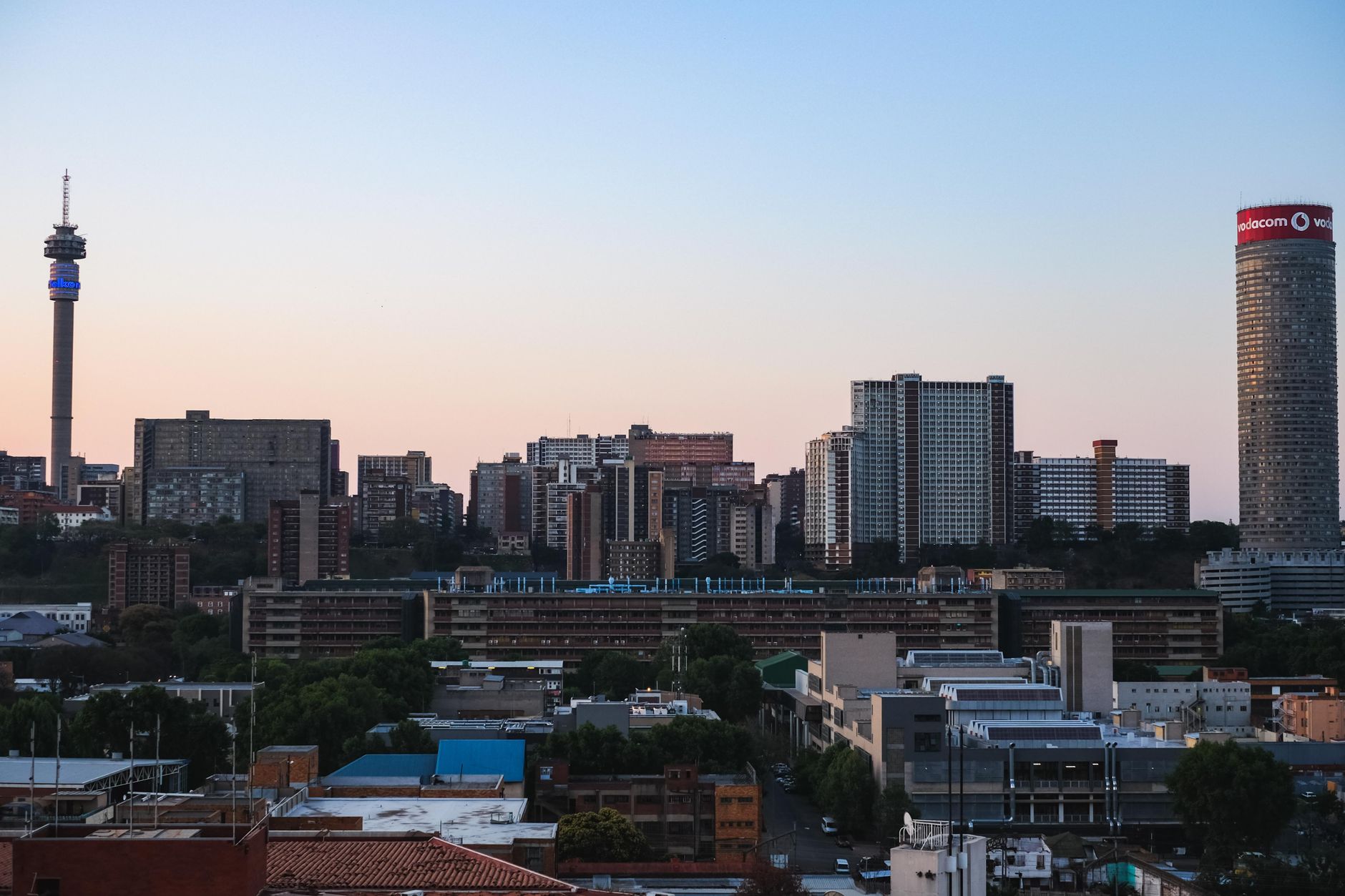
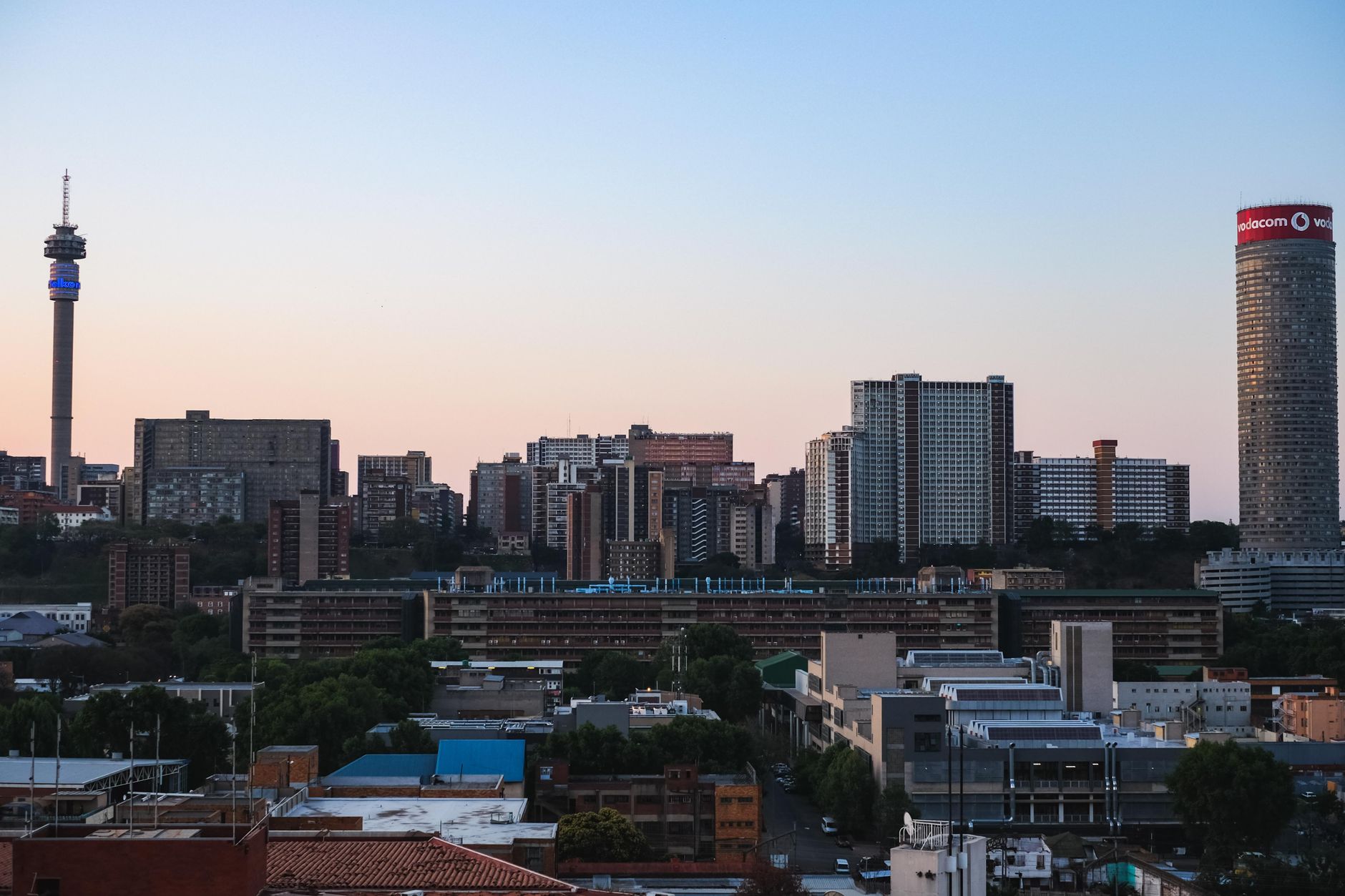
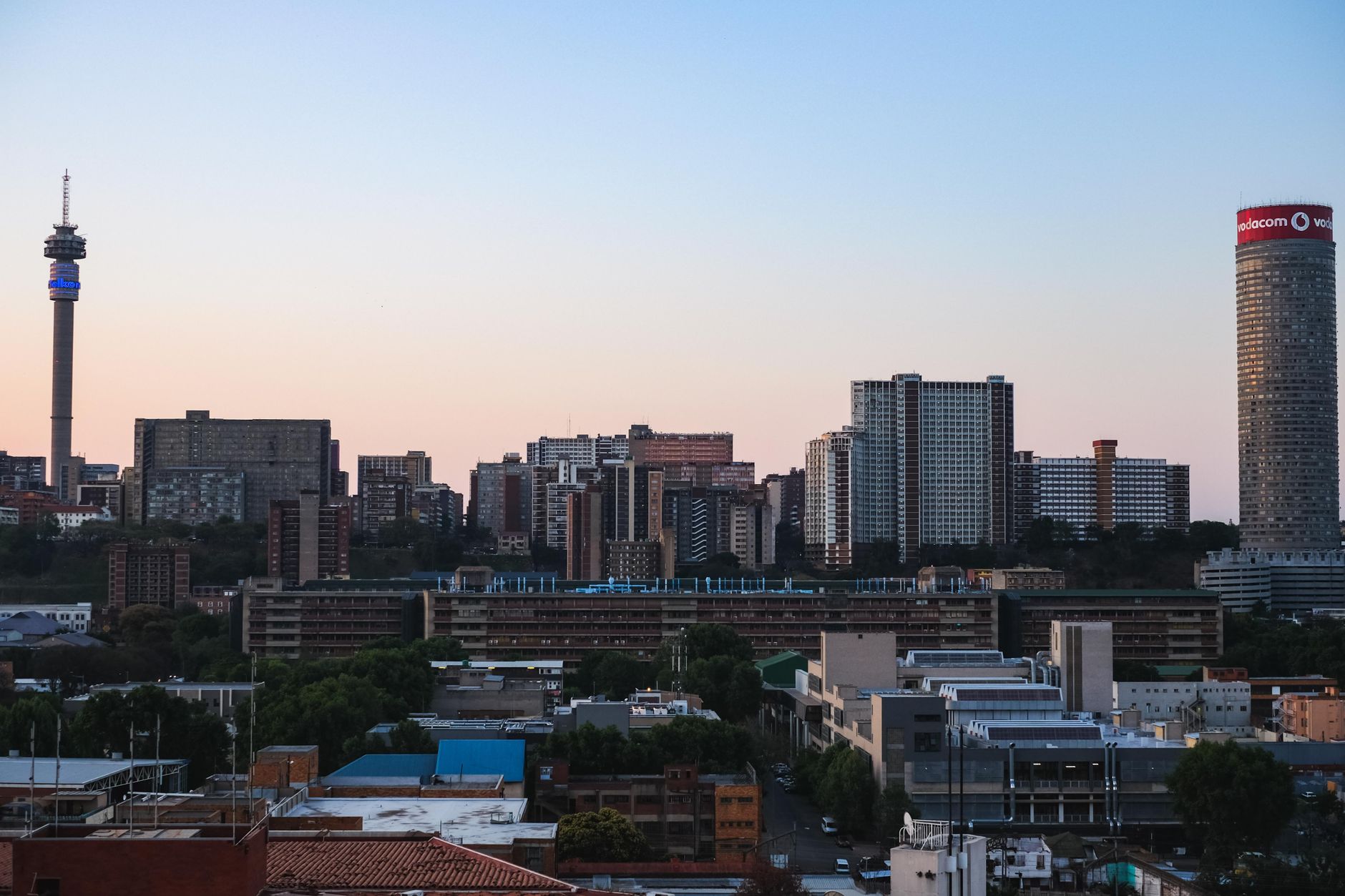
When democracy arrived in 1994, Johannesburg inherited a fractured urban landscape. Apartheid-era spatial planning had segregated the city ruthlessly—black townships like Soweto and Alexandra isolated on the periphery, while affluent northern suburbs clustered around the Sandton business district. The promise was integration. The reality has been far more complicated.
The city's first post-apartheid housing policy aimed to deliver one million units within a decade. By the early 2000s, fewer than 300,000 had been built, many on the fringes: Cosmo City, Diepsloot, and further north towards Modderfontein. This pattern—pushing new housing development outward rather than densifying existing areas—created a sprawling metropolitan footprint that now stretches over 1,600 square kilometres. Infrastructure couldn't keep pace. Water systems, sewerage networks, and transport corridors designed for a smaller city became chronically strained.
The 2008 financial crisis deepened the fracture. Municipal budgets contracted. Private developers retreated from affordable housing. Simultaneously, internal rural-to-urban migration accelerated, pushing informal settlement growth in places like Vlakplaas and the eastern edges of Ekurhuleni. Today, according to recent municipal data, nearly 40 percent of Johannesburg's residents live in informal or inadequate housing.
Policy fragmentation compounded these challenges. The Department of Housing worked with different timelines and priorities than the City of Johannesburg's Planning and Development Services directorate. Competing visions emerged: some officials advocated for high-density mixed-income developments in the inner city and along transport corridors like the Rea Vaya route; others prioritized greenfield expansion. Neither approach dominated decisively. The result: piecemeal development, with some inner-city renewal around the Maboneng Precinct and Braamfontein, while informal settlements continued expanding elsewhere.
Rising land values added another layer. Property prices in areas like Sandton and Rosebank soared, pricing out middle-income earners. The affordable housing gap widened. Municipal land reserves, never abundant, were depleted for various purposes. By the mid-2010s, the city faced a structural housing shortage estimated at over 500,000 units.
Recent years have brought renewed policy attention—inclusionary housing requirements, spatial development frameworks, and transit-oriented development initiatives—yet implementation remains uneven. Investment in public transport to connect peripheral townships remains insufficient, and securing funding for adequate bulk infrastructure remains a persistent obstacle.
Understanding today's housing crisis requires acknowledging this trajectory: not a simple failure of one government or policy, but rather three decades of insufficient coordination, funding constraints, and competing urban visions that gradually calcified into sprawl, informality, and inequality.
This article was compiled by AI from the sources linked above and screened before publishing. See our editorial standards.