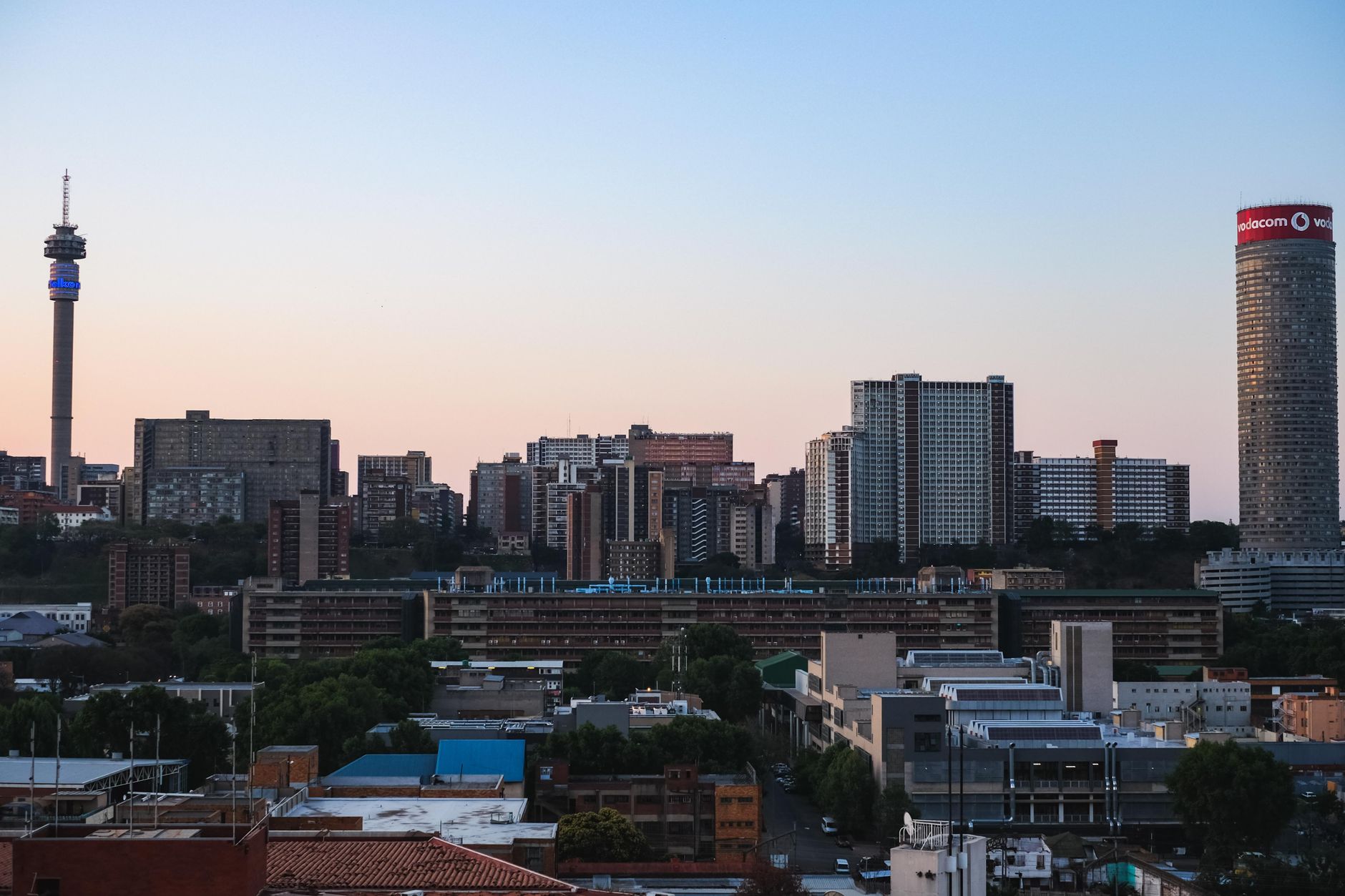
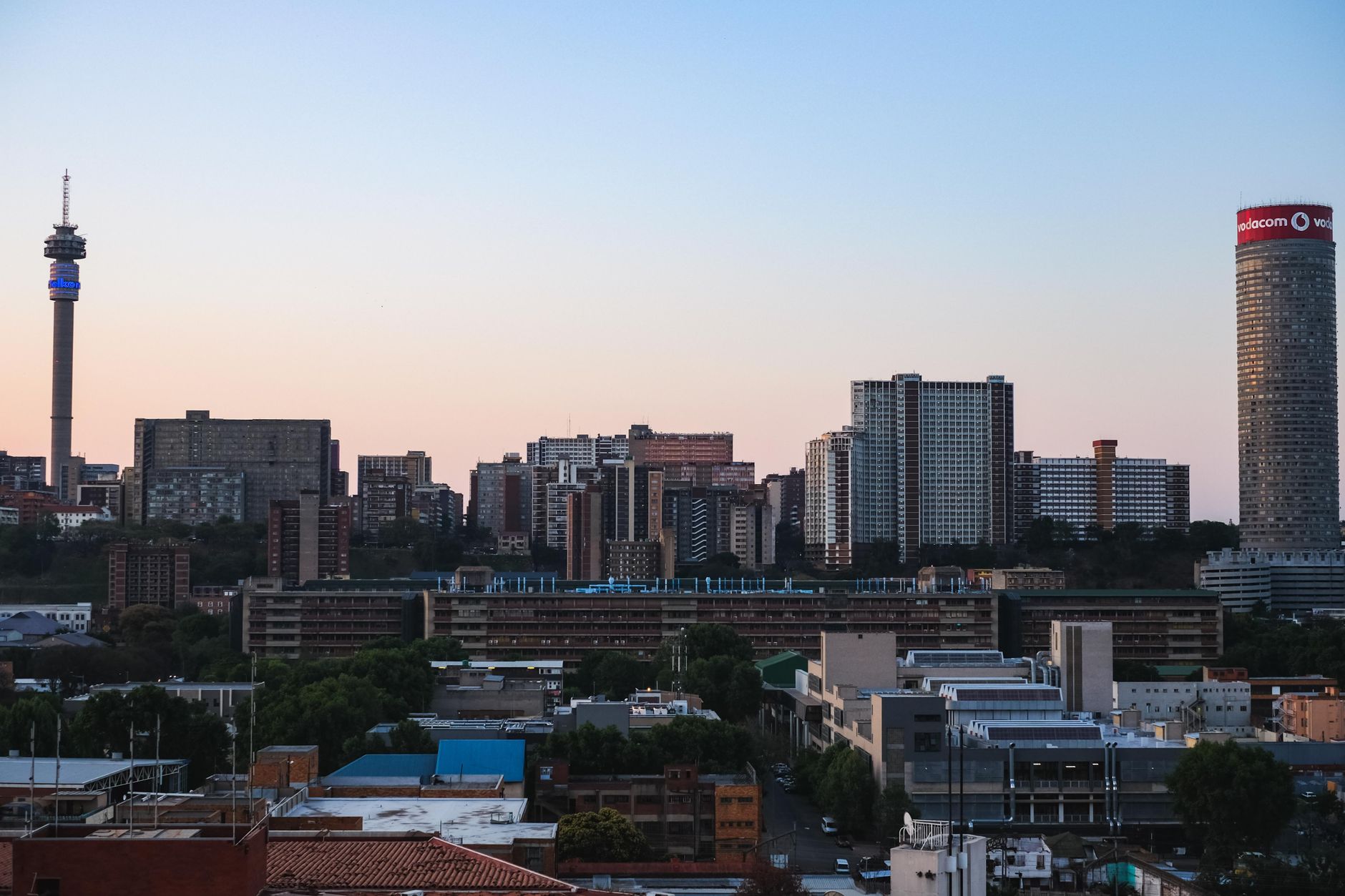
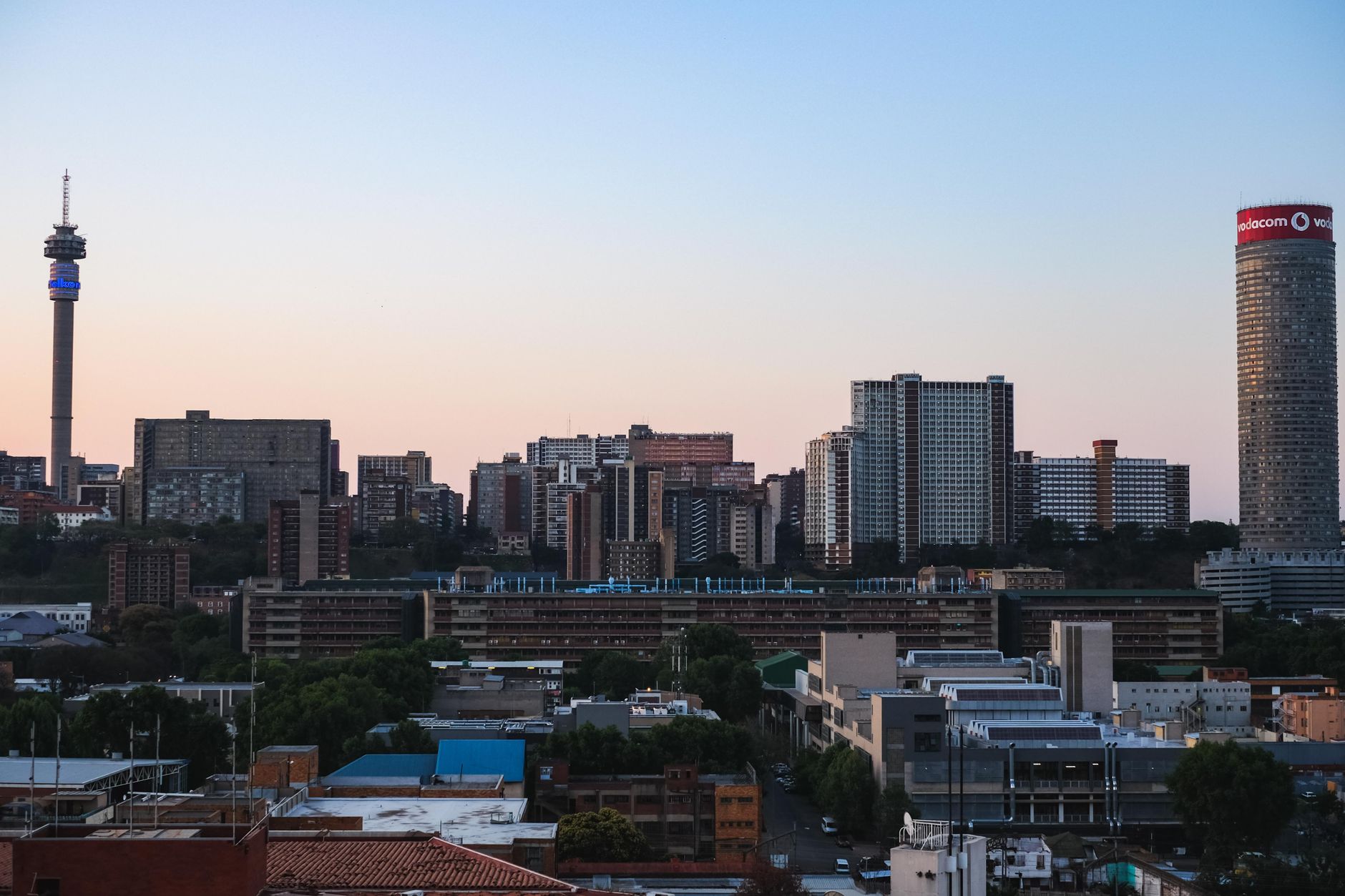
Johannesburg stands at a pivotal moment in its fight against crime and emergency preparedness. With response times in central business districts averaging 18-22 minutes and violent incidents continuing to surge in pockets from Hillbrow to Soweto, city leadership must now confront hard decisions about resource allocation, technological investment, and inter-agency coordination that will determine whether public safety improves or deteriorates over the next 18 months.
The Johannesburg Metropolitan Police Department currently operates 19 stations across the sprawling metropolitan area, yet coverage remains uneven. Precincts serving Alexandra and Diepsloot have reported capacity challenges, while areas like Sandton benefit from private security augmentation unavailable to poorer neighbourhoods. This disparity sits at the centre of the next major policy decision: whether to fund additional JMPD stations in underserved areas or whether to redirect investment toward technology platforms that could optimise existing resources.
The city's emergency services coordination—managed through the Emergency Management Services centre in Braamfontein—faces mounting pressure. The centre receives approximately 2,500 emergency calls daily, but antiquated systems mean that police, fire, and ambulance services sometimes operate in silos. A proposed integrated digital dispatch system, estimated at R47 million for the pilot phase, could streamline response. However, budget constraints mean this competes against other priorities: vehicle fleet upgrades for the JMPD, community policing initiatives, and training programmes.
A second critical junction concerns community engagement models. The Community Policing Forums operating across wards in areas like Melville, Bryanston, and Soweto have produced mixed results. Some precincts report improved intelligence gathering and reduced response times; others struggle with inconsistent participation and limited enforcement follow-through. Council must decide whether to expand and formalise these structures with dedicated funding or pivot toward neighbourhood watch coordination and private-public partnerships.
Data transparency represents a third challenge. Current crime statistics, published quarterly, lag community perception and hamper real-time strategic responses. The decision to implement live crime mapping and public-facing incident dashboards—already piloted in Cape Town—could build accountability but raises privacy and operational security questions.
These decisions intersect with broader resource realities: JMPD's annual budget sits around R2.8 billion, with inflation eroding purchasing power. Recruitment and retention of skilled officers remain difficult given salaries and hazard exposure.
The next council session, scheduled for mid-July, will likely surface these trade-offs publicly. How Johannesburg's leaders choose will reverberate across wards and neighbourhoods for years to come.
This article was compiled by AI from the sources linked above and screened before publishing. See our editorial standards.